
Babri Mosque: history, dispute, demolition and legal aftermath
Overview of the Babri Mosque in Ayodhya, its origins, religious and political significance, demolition in 1992, legal proceedings and the 2019 Supreme Court ruling allocating the disputed site.
Overview
The Babri Mosque was a mosque in Ayodhya in northern India. Traditionally attributed to the early Mughal period, it occupied a site that became one of the most contested religious and political locations in modern Indian history. For many years the site was claimed by sections of the Hindu community as the birthplace of the deity Rama, while others regarded it as a historic mosque with its own devotional and communal value. The dispute blended religious sentiment, local claims, archaeological inquiry and national politics.
Image gallery
4 Images


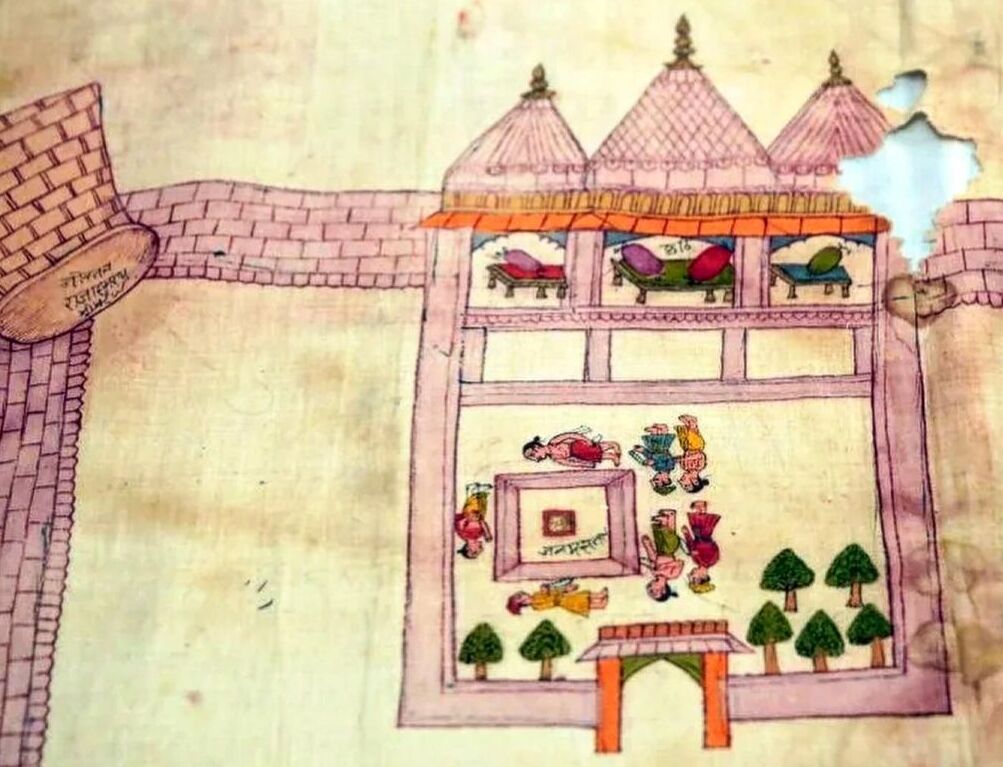
Origins and architecture
Accounts of the mosque’s construction link it to the reign of the first Mughal emperor Babur, though precise documentary evidence for the exact date and patronage is limited and debated. Descriptions and photographs of the structure before 1992 show a relatively plain building in a regional Indo-Islamic style with a prayer hall and courtyard. The complex had been altered over centuries and its material fabric reflected multiple phases of repair and modification.
Religious significance and competing claims
The site was important to many Hindus who identified it with Rama’s birthplace; at the same time, it served as a local mosque for Muslims. In 1949 idols of Rama were placed inside the mosque, leading to the site being locked and declared contested by authorities. Advocates on different sides drew on religious tradition, historical arguments and archaeological findings to support their claims. The Archaeological Survey of India (ASI) later conducted excavations that reported structural remains beneath the mosque which some interpreted as evidence of a pre-existing non-Islamic building; those findings were part of the legal record and also a matter of dispute in public debate.
Escalation, demolition and aftermath
Tensions over the site rose sharply in the late 20th century amid organized political campaigns. On 6 December 1992 a large rally culminated in the demolition of the mosque by a crowd. The destruction of the building triggered widespread communal violence across the country, with many casualties, injuries and long-term social repercussions. The event marked a turning point in Indian politics and public life, accelerating polarization and prompting numerous investigations, prosecutions and inquiries.
Legal proceedings and final decision
The dispute produced a dense series of court cases. In 2010 the Allahabad High Court issued a judgment that proposed dividing the disputed land among different claimants, a decision appealed by multiple parties. Subsequently, after prolonged litigation and consideration of historical and archaeological evidence, the Supreme Court of India issued a final ruling in November 2019. The court awarded the disputed central plot for construction of a Hindu temple and directed the government to allot an alternative parcel of land for building a mosque for the Muslim community. Following that judgment, a trust was formed to oversee temple construction and separate arrangements were made for a new mosque site.
Legacy and notable facts
- The Babri dispute has influenced law, politics and intercommunal relations in India for decades and remains a reference point in discussions about heritage, secularism and minority rights.
- Archaeological studies, historical records and witness testimony all played roles in court proceedings; many conclusions were contested and interpreted differently by interested parties.
- Efforts at reconciliation and reconstruction of communal ties continue to be part of civil society and official agendas in the region.
Further reading and archival materials about the mosque, the Ayodhya controversy and its legal history are available through official documents and scholarly works that analyze the incident from historical, legal and sociopolitical perspectives. For introductory resources see government and academic summaries as well as contemporary reporting: background, Mughal context, regional history, religious claims, and other reference collections (India, Ayodhya).
Related articles
Author
AlegsaOnline.com Babri Mosque: history, dispute, demolition and legal aftermath Leandro Alegsa
URL: https://en.alegsaonline.com/art/8040