
Ayodhya: historic city on the Sarayu and Hindu pilgrimage site
Ayodhya, on the Sarayu River in Uttar Pradesh, is an ancient city central to Hindu tradition, modern administration, and recent legal and cultural developments surrounding the Ram Janmabhoomi site.

Ayodhya is an ancient city on the banks of the Sarayu River in the northern Indian state of Uttar Pradesh. Long revered in Hindu tradition as the birthplace of the deity Rama, Ayodhya is also a functioning administrative centre and urban community. Its layers of religious importance, historical references, archaeological interest and contemporary politics make it one of the most widely known towns in South Asia. The city appears prominently in the epic narrative of the Ramayana, and many Hindus regard it as one of the sacred Sapta Puri (seven holy cities).
Image gallery
10 Images


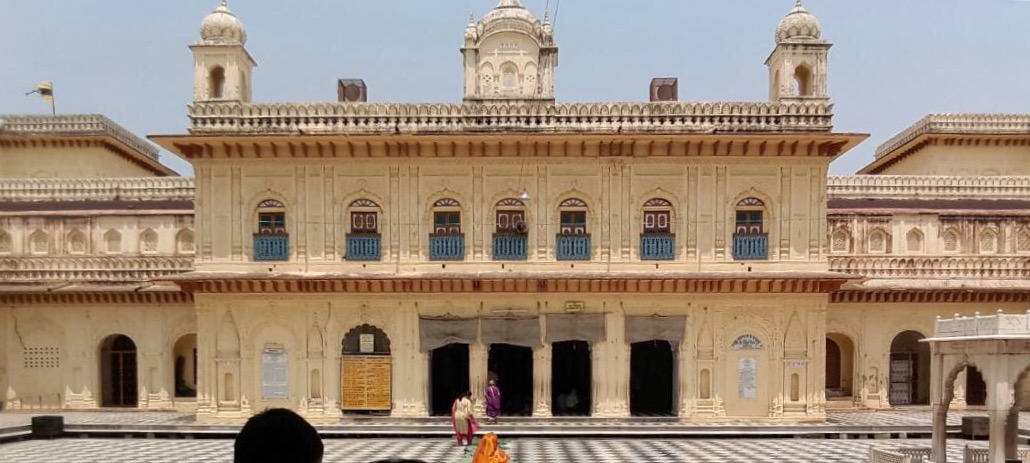


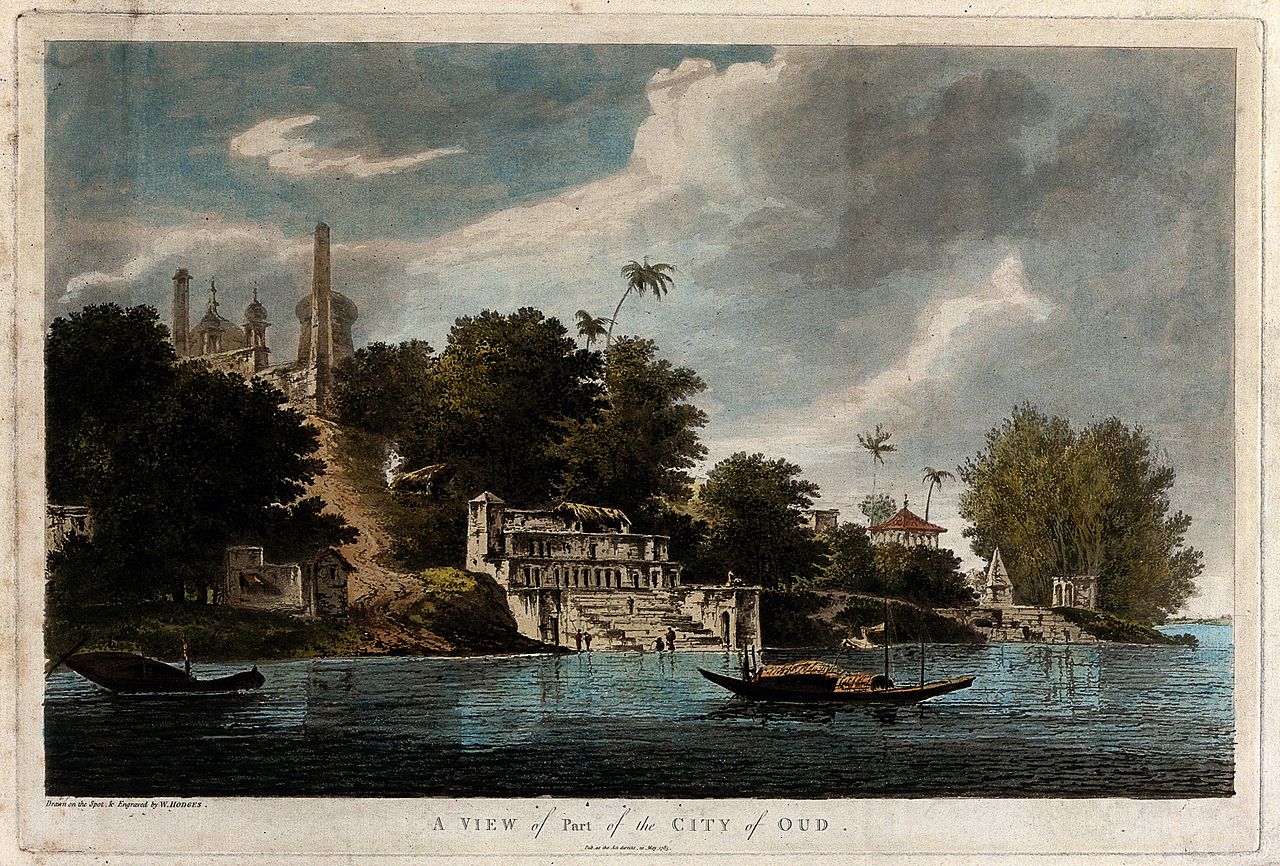
Historical and cultural significance
In Hindu tradition Ayodhya is presented as the capital of the ancient kingdom ruled by Rama, an incarnation often described as an avatar of the god Vishnu. Stories from the epic and later Puranic literature shaped the city’s sanctity over many centuries, and pilgrimage to Ayodhya has been an important devotional practice. Over time, the urban site developed temples, shrines and ritual spaces that reflect its religious role.
Geography and administration
Ayodhya lies on the banks of the Sarayu (Saryu) River and forms a close urban pair with the neighbouring city historically known as Faizabad. Today the city functions as the administrative headquarters of its district and division in Uttar Pradesh. Its riverside ghats (steps), markets and ritual areas continue to serve both local residents and pilgrims.
Modern developments and disputes
In the modern period Ayodhya became the focus of a long-running and at times contentious dispute centring on the site called Ram Janmabhoomi, historically identified by many Hindus as Rama’s birthplace. A mosque known as the Babri Masjid stood on that site until its demolition in 1992, an event that sparked nationwide unrest. Subsequent legal, political and social processes included archaeological investigations that were cited in court proceedings. In 2019 the Indian Supreme Court made a landmark ruling concerning the disputed land: it directed that the contested site be given for the construction of a Hindu temple and that alternate land be allocated for a mosque. The decision has shaped the most recent phase of reconstruction and pilgrimage planning in the city.
Places of interest and festivals
Ayodhya contains many temples and pilgrimage landmarks important to visiting devotees and tourists alike. Notable locations include Hanuman Garhi, Kanak Bhavan and the riverside ghats where ritual bathing and festivals take place. Annual celebrations such as Ram Navami (marking Rama’s birth) and the Diwali festivities draw large numbers of pilgrims. The city’s religious calendar, temple architecture, and ritual life remain central to its identity.
Notable facts and perspectives
- Ayodhya’s significance rests on both literary tradition and ongoing popular devotion.
- The site has been the subject of archaeological study and judicial review, reflecting intersections of history, faith and law.
- Its twin-urban relationship with Faizabad shapes local governance and commerce.
- The Sarayu River continues to be a defining natural feature; see more about the river and its role in rituals here.
For additional background on the epic traditions that shape Ayodhya’s cultural memory, consult sources on the Ramayana and on discussions of Vishnu and his avatars.
Related articles
Author
AlegsaOnline.com Ayodhya: historic city on the Sarayu and Hindu pilgrimage site Leandro Alegsa
URL: https://en.alegsaonline.com/art/7883