
Hindu gods: forms, meanings, and roles in Hindu religious life
Overview of Hindu deities, their relationship to the concept of Brahman, principal gods and goddesses, worship practices, iconography, sectarian perspectives, and cultural significance.
Overview
In Hindu tradition the idea of divine beings differs from the single-person God of many monotheistic faiths. Deities appear as distinct personalities with stories, attributes and symbolic roles, yet they are often understood as manifestations or aspects of a single ultimate reality called Brahman. Different communities and philosophical schools emphasize varied approaches: some treat particular gods as supreme, while others read the many gods as expressions of a formless absolute. For a general introduction to the religious context see Hinduism.
Image gallery
10 Images

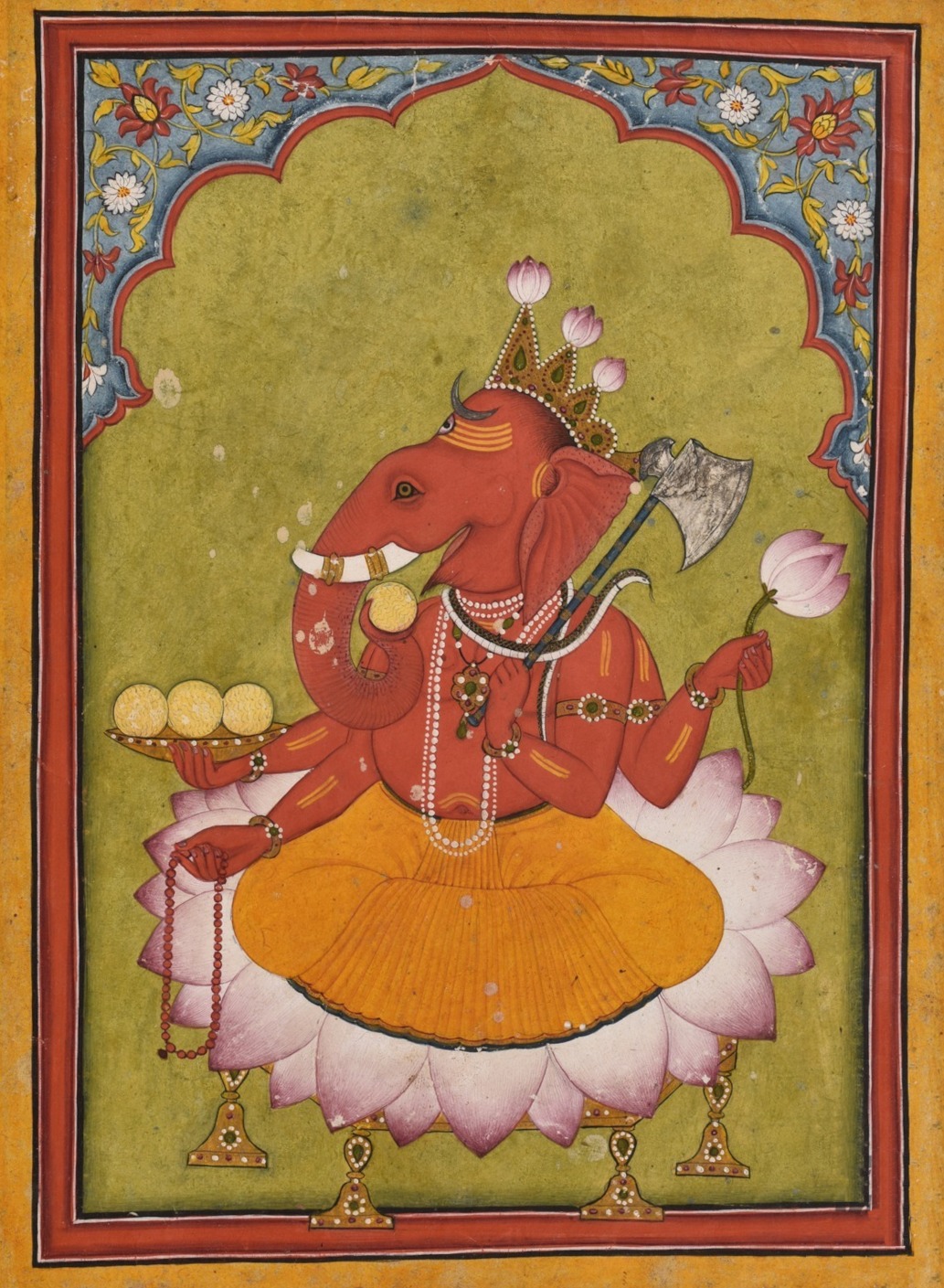


Major deities and common groupings
Several named gods and goddesses occupy central places in popular devotion and classical texts. The Trimurti—commonly translated as the threefold cosmic functions—includes:
- Brahma, associated with creation (Brahma).
- Vishnu, associated with preservation and sustaining the world; many traditions treat Vishnu as supreme (Vishnu).
- Shiva, associated with transformation and dissolution (Shiva).
Alongside these are major goddesses who embody creative power, wealth, learning and marital virtues. Examples often named in devotional and literary sources include Lakshmi (prosperity), Parvati (consort forms of Shiva and aspects of devotion) and Saraswati (knowledge). The divine feminine as an overarching force is referred to in traditions of Shaktism by names such as Adi Parashakti and in particular forms like Durga.
Forms, avatars and philosophical perspectives
One common idea is that deities are not isolated absolutes but different manifestations of the supreme reality. For example, avatars—incarnations of a deity—are a prominent feature in narratives about preservation and moral exemplars; many adherents regard figures like Rama and Krishna as avatars of Vishnu (avatar traditions). Philosophical schools differ: some systems emphasize an impersonal Brahman as the ultimate ground, while devotional schools stress a personal god (Ishvara, Bhagavan) as the focal object of worship. The term spiritual practice in Hindu contexts therefore covers a wide spectrum, from abstract meditation on the absolute to ritual devotion directed at deities.
Iconography, temples, festivals and daily practice
Gods and goddesses are represented in a rich visual language: specific postures, weapons, vehicles, hand gestures and attributes signal their character and stories. Images and murtis (icons) serve as focal points for ritual offerings, puja and festival observances in homes and temples. Temples dedicated to different deities, ritual calendars and community festivals reinforce local and pan-Indian patterns of devotion. Practical devotion ranges from daily household rituals to large public processions and annual celebrations centered on particular gods.
Distinctions, adaptability and cultural role
Hindu deities function simultaneously as objects of philosophical reflection, moral exemplars and culturally rooted figures. The tradition accommodates strict monistic interpretations, theistic devotion, regional folk deities and syncretic forms; local gods and goddesses often coexist with pan-Indian divinities. This flexibility helps explain why the same divine name can be interpreted as an independent person, an aspect of a supreme being, or a symbolic principle of nature and mind. For general reading on major figures and community practices see resources such as Hinduism overview, introductions to Vishnu, Shiva, and materials on the goddess traditions like Adi Parashakti and Durga.
Understanding Hindu gods therefore requires attention to theology, ritual life, mythic literature and regional diversity. Major names—Brahma, Vishnu, Shiva, Lakshmi, Parvati and Saraswati—offer entry points, but each community and tradition interprets their roles in distinctive ways.
Questions and answers
Q: What is the concept of God or Goddess in Hinduism?
A: In Hinduism, the concept of God or Goddess is unlike that of monotheistic religions. The Gods are icons of excellence to be emulated, rather than absolute entities. They represent different strengths of human character.
Q: Who are the three gods who started creation?
A: The three gods who started creation in Hinduism are Vishnu, Brahma and Shiva, also known as Bhagwans.
Q: What is Para Brahman?
A: Para Brahman is the supreme divine power in Hinduism and is considered to be the sole ultimate truth. It is an entity that exists and gives life to all things which is formless and referred to by different names such as Vishnu or Narayana, Adi Parashakti/Shakti or Durga and Shiva or Mahadeva among different sects of Hinduism.
Q: Who is revered as supreme Paramatman in Vaishnava tradition?
A: In Vaishnavite sect of Hinduism, Vishnu is revered as supreme Paramatman.
Q: Who are the major gods in Hinduism?
A: The major gods in Hinduism are Vishnu, Shiva and Brahma while Lakshmi, Parvati and Saraswati are the major goddesses.
Q: What roles do these gods have?
A: Hindus believe that Brahma is the Creator, Vishnu is the preserver and Shiva or Maheshwaris destroyer.
Tags
Related articles
Author
AlegsaOnline.com Hindu gods: forms, meanings, and roles in Hindu religious life Leandro Alegsa
URL: https://en.alegsaonline.com/art/44284
Sources
- crystalinks.com : "Avatars in Ancient India - Crystalinks"
- allaboutreligion.org : "Hinduism Gods"
- himalayanacademy.com : himalayanacademy.com
- srimadbhagavatam.com : "Bhagavata Purana 2.3.1-9"