
Quokka (Setonix brachyurus): small macropod native to Western Australia
Quokka (Setonix brachyurus) is a small, nocturnal macropod native to Western Australia—best known from Rottnest Island—stocky, herbivorous, and vulnerable due to its limited range.
Quokka is the common name for the small marsupial Setonix brachyurus. A member of the larger group of marsupials, it is a compact, short-faced animal roughly comparable in size to a domestic cat. Like other members of the macropod assemblage—which includes kangaroos and wallabies—the quokka is herbivorous and most active at night.
Image gallery
6 Images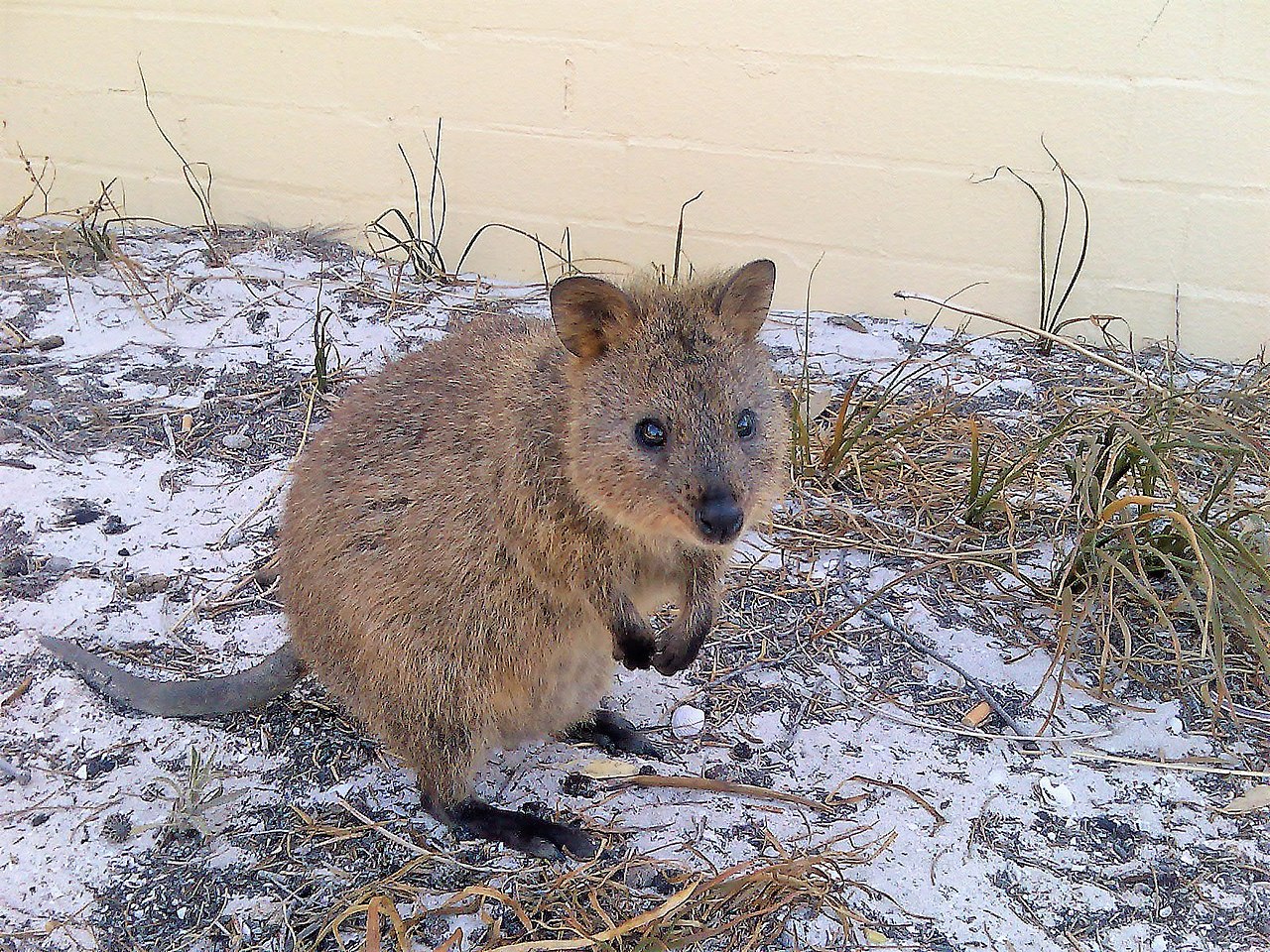

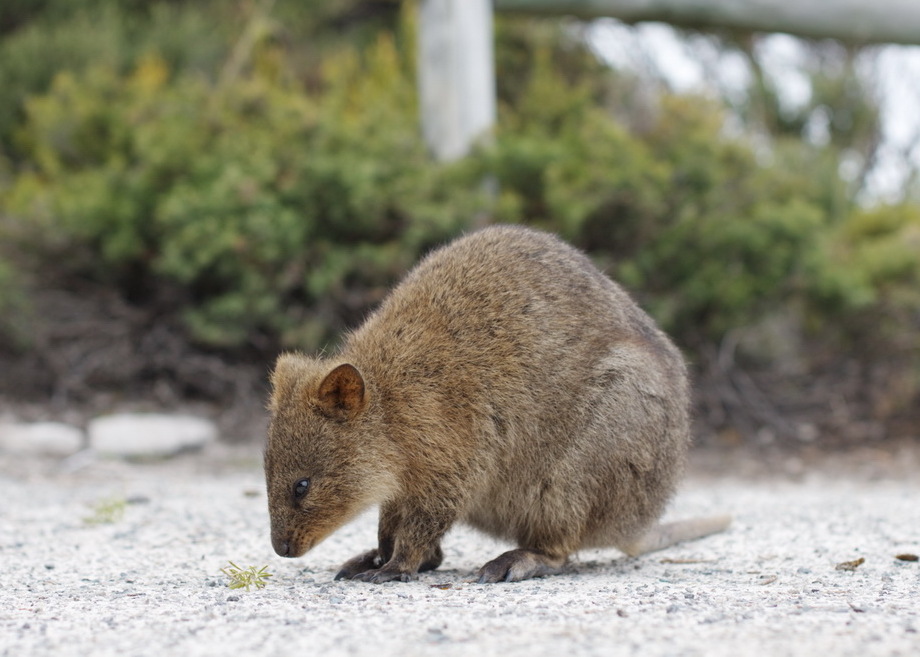

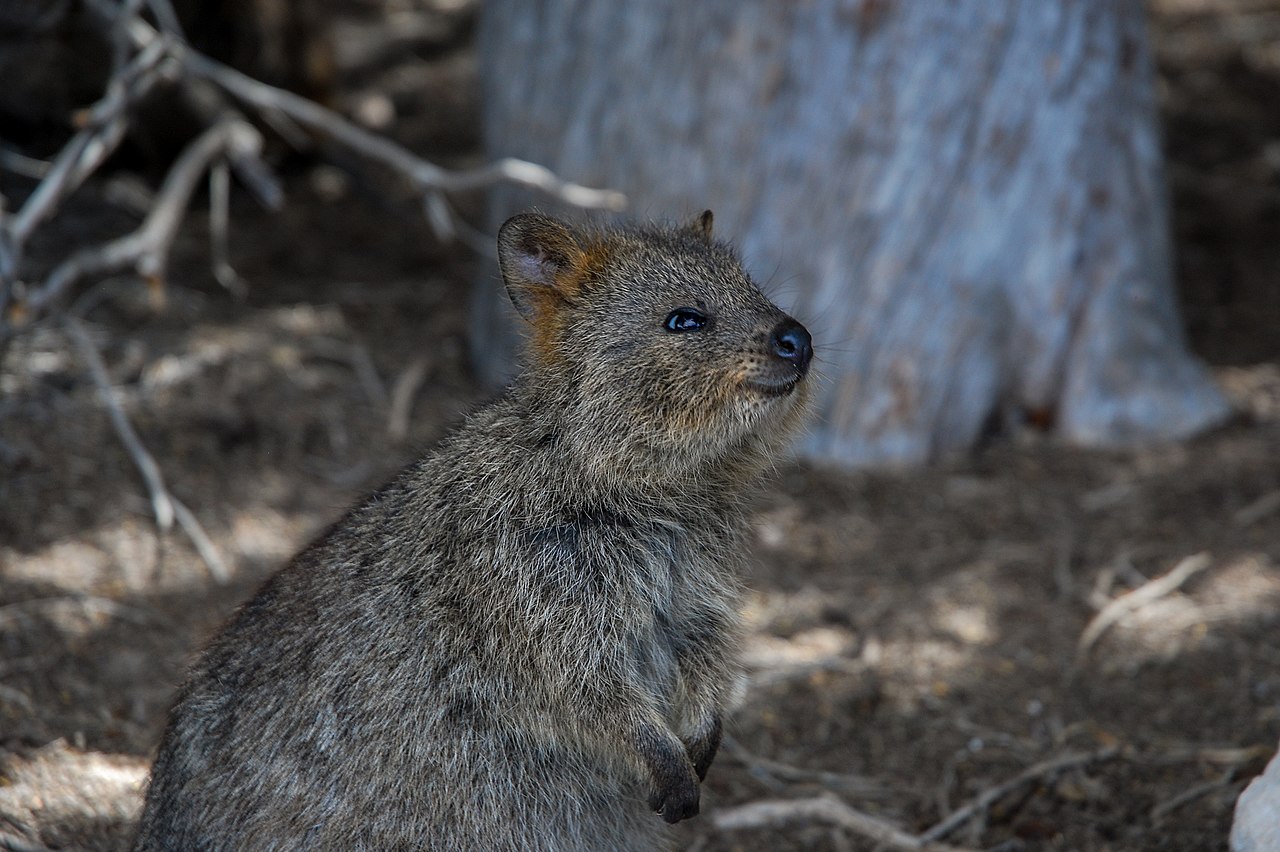

Appearance and biology
Quokkas have rounded ears, a short tail relative to larger macropods, and a stocky build. Females possess a forward-facing pouch in which they carry and nurse their young, as is typical for many marsupials. Their coat ranges from grey-brown to reddish, helping them blend into dense vegetation.
Diet and behaviour
Primarily browsers and grazers, quokkas feed on grasses, leaves, and small shrubs. They are generally nocturnal, sheltering during daylight in thick cover to avoid heat and predators, and emerging after dusk to forage. Social behaviour can vary by location; on some islands they may be relatively tolerant of one another when food is plentiful.
Where they live
Quokkas occur only in a limited region off the coast of Western Australia. The largest and best-known population is found on Rottnest Island, located near Perth. Another island population exists on Bald Island, close to Albany, and a small mainland group persists at Two Peoples Bay.
Taxonomy
The quokka is the sole living species placed in the genus Setonix. Its scientific name is Setonix brachyurus, and it is classified within the family of macropods alongside kangaroos and wallabies.
Conservation notes
Because quokka populations are geographically restricted, they are vulnerable to habitat change, introduced predators, and altered fire regimes. Conservation efforts on islands and within protected mainland reserves aim to reduce these threats and support stable populations.
- Common name: quokka
- Scientific name: Setonix brachyurus
- Group: macropods (related to kangaroos and wallabies)
- Primary range: offshore islands and a few mainland sites in Western Australia (notably Rottnest Island near Perth and near Albany)
Questions and answers
Q: How big is a quokka?
A: A quokka is about the size of a large cat.
Q: What family does the quokka belong to?
A: The quokka belongs to the macropod family, which also includes kangaroos and wallabies.
Q: What does the quokka eat?
A: The quokka eats grass and small plants.
Q: Is the quokka a diurnal or nocturnal animal?
A: The quokka is mainly nocturnal.
Q: Where does the quokka live?
A: The quokka lives on some small islands off the coast of Western Australia, mainly on Rottnest Island near Perth, and Bald Island near Albany. A small number also live on the main land in the protected area of Two Peoples Bay.
Q: What other animal does the quokka share its habitat with at Two Peoples Bay?
A: The quokka shares its habitat with Gilbert's Potoroo in the protected area of Two Peoples Bay.
Q: Is the quokka the only member of its genus?
A: Yes, the quokka is the only member of the genus Setonix.
Related articles
Author
AlegsaOnline.com Quokka (Setonix brachyurus): small macropod native to Western Australia Leandro Alegsa
URL: https://en.alegsaonline.com/art/80609
Sources
- web.archive.org : Quokka
- web.archive.org : ARKive
- web.archive.org : Facts
- commons.wikimedia.org : Quokka · web.archive.org