
Puranas: The Ancient Hindu Narrative Scriptures
Puranas are a body of Hindu scriptures preserving myth, cosmology, genealogies, rituals and local traditions in Sanskrit and regional languages, compiled and redacted over many centuries.
Overview
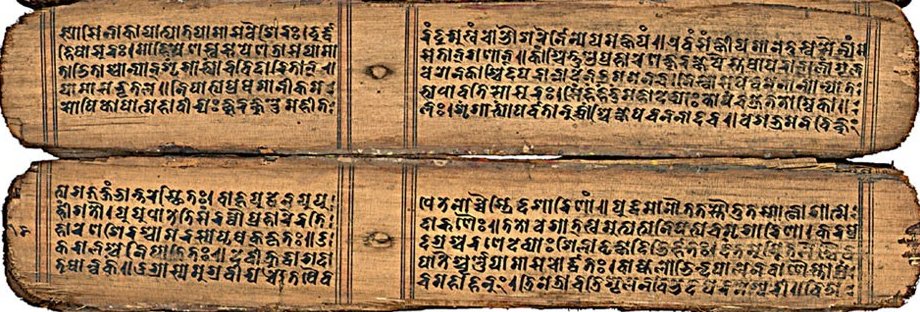
Puranas (from a Sanskrit word meaning "ancient tales") are a genre of Hindu religious literature that preserve stories about the creation of the world, the deeds of gods and heroes, genealogies of kings and sages, and explanations of rites and sacred places. They exist primarily in classical Sanskrit and in several regional languages such as Tamil, and they function as repositories of popular belief and practice as much as of mythology and history.
Image gallery
9 Images




Typical structure and themes
Puranic works are usually organized around a set of recurring topics sometimes called the pancha-lakshana (five characteristic subjects). Common themes include:
- Cosmogony and cosmology (accounts of creation and the universe)
- Cosmic cycles and ages (time, manvantaras, and cosmic cycles)
- Genealogies of gods, sages and royal dynasties
- Legends of major deities and local heroes
- Descriptions of pilgrimage sites, rites, and religious practice
History and composition
The Puranas are composite texts. Many were composed, edited and expanded over long periods—beginning in the early centuries of the common era and continuing into the medieval era. Classical tradition attributes much of the Puranic corpus to sage Vyasa, but scholarly study emphasizes anonymous, community-driven authorship and regional redaction. There are traditionally eighteen major or "Mahapuranas," along with numerous Upapuranas (secondary Puranas).
Cultural role and uses
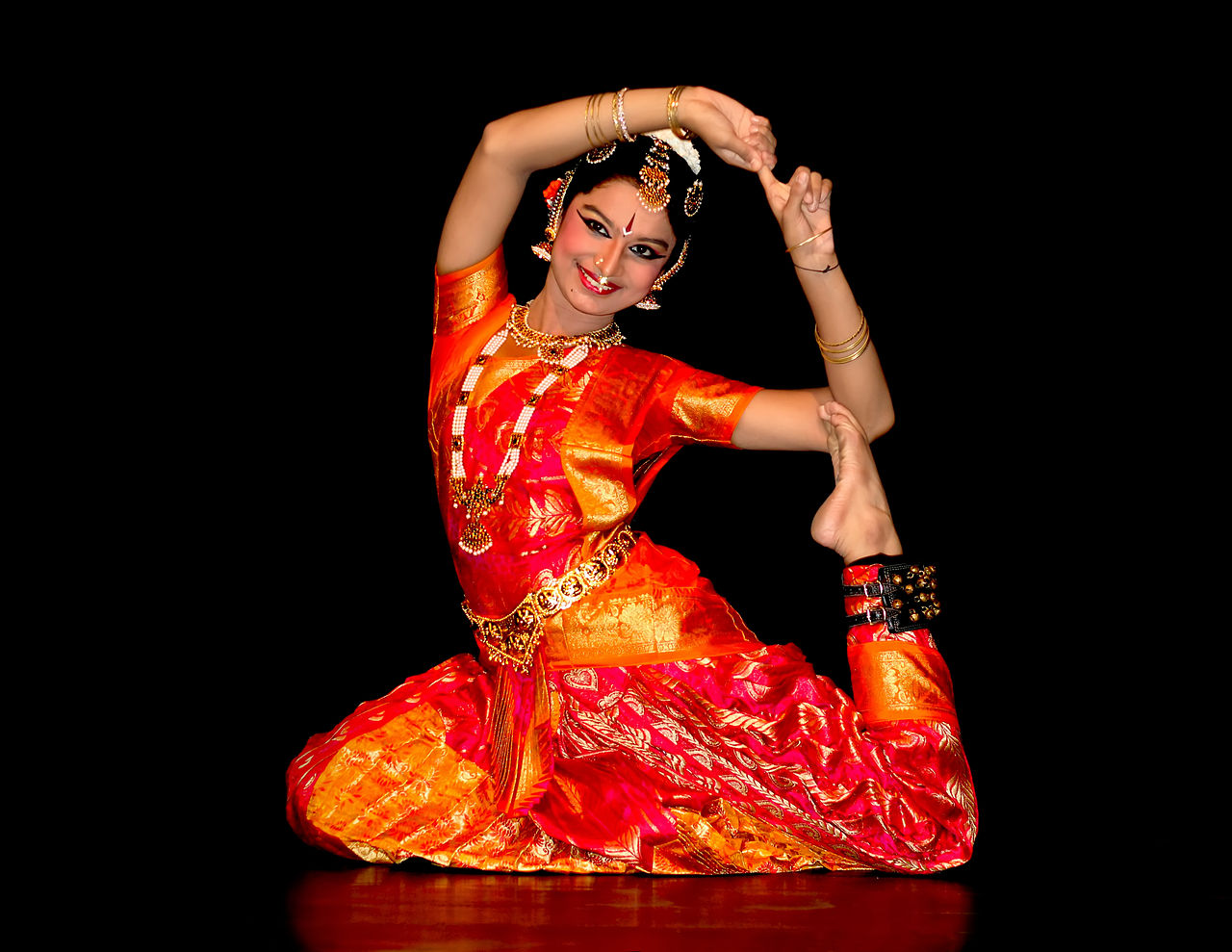
Puranas served several functions: they taught religious ideas to a broad audience, preserved local customs and sacred geography, supplied material for temple rituals and festivals, and inspired visual and performing arts. Story cycles from Puranas inform devotional movements (for example Shaiva, Vaishnava and Shakta traditions) and provide narrative frameworks for popular piety and ethics.
Classification and notable examples
Puranas are often grouped by sectarian orientation (Shaiva, Vaishnava, Shakta, Saura or non-sectarian) and by region. Well-known examples include the Bhagavata Purana, Vishnu Purana, Shiva Purana and Devi Bhagavata. Scholars use internal features—style, doctrine and references—to trace relative dates and local redactions.
Distinctions and significance
Puranas differ from the epics (Itihasa) such as the Mahabharata and Ramayana in focus: while epics narrate heroic histories, Puranas emphasize cosmology, ritual instruction, and lineage narratives that connect sacred stories to everyday practice. They remain an important source for understanding the diversity of ancient Indian traditions, regional cults, and the development of Hindu religious life over many centuries.
Related articles
Author
AlegsaOnline.com Puranas: The Ancient Hindu Narrative Scriptures Leandro Alegsa
URL: https://en.alegsaonline.com/art/80117