
ExxonMobil
ExxonMobil is a major international oil and gas company formed by the 1999 merger of Exxon and Mobil; it operates across exploration, refining, chemicals and fuels and has been involved in environmental controversies.
ExxonMobil is one of the world's largest publicly traded integrated oil and gas companies. Headquartered in Irving, Texas, it operates across the full energy value chain and is listed on the New York Stock Exchange as XOM. The company produces crude oil and natural gas, refines and markets fuels, and manufactures petrochemicals used in a wide range of industrial and consumer products. Its scale and global reach make it a central player in the modern energy system.
Image gallery
8 Images





Origins and development
The company in its present form was created by the 1999 merger of two legacy firms, Exxon and Mobil. Both of those firms trace their corporate lineage back to John D. Rockefeller's Standard Oil, which was broken up in the early 20th century. Over the decades that followed, Exxon and Mobil developed international exploration programs, downstream refining networks and chemicals businesses before combining to form a single enterprise. For an outline of the corporate history and predecessor companies, see summaries of Standard Oil and its successors and historical profiles of the separate firms.
Operations and business lines
ExxonMobil's activities span multiple technical and commercial areas. Major segments commonly include:
- Upstream: exploration for and production of crude oil and natural gas, including onshore, offshore and deepwater assets.
- Downstream: refining, distribution and marketing of petroleum products such as gasoline, diesel and lubricants.
- Chemicals: manufacture of petrochemicals, polymers and intermediates used in plastics, coatings and other materials.
The company also operates research laboratories and technology programs that support reservoir development, refining efficiency and chemical processes. Corporate summaries and operational reports are available from its public materials and investor pages at company resources.
Brands, assets and global footprint
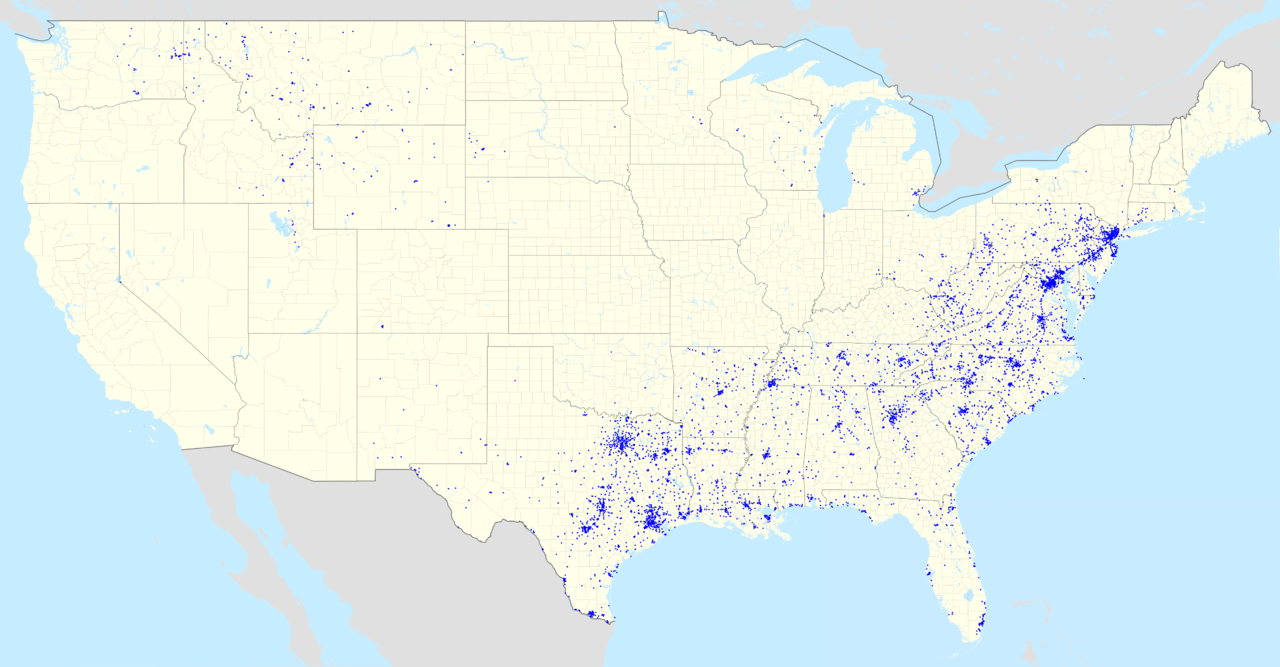
ExxonMobil markets fuels and lubricants under several long-established brand names, including Exxon, Mobil and Esso in different regions. Its asset base includes refineries, terminals, pipelines and chemical plants located around the world. The firm participates in large cross-border projects, joint ventures and national oil company partnerships, which together sustain a diverse and geographically dispersed portfolio.
Controversies and environmental record
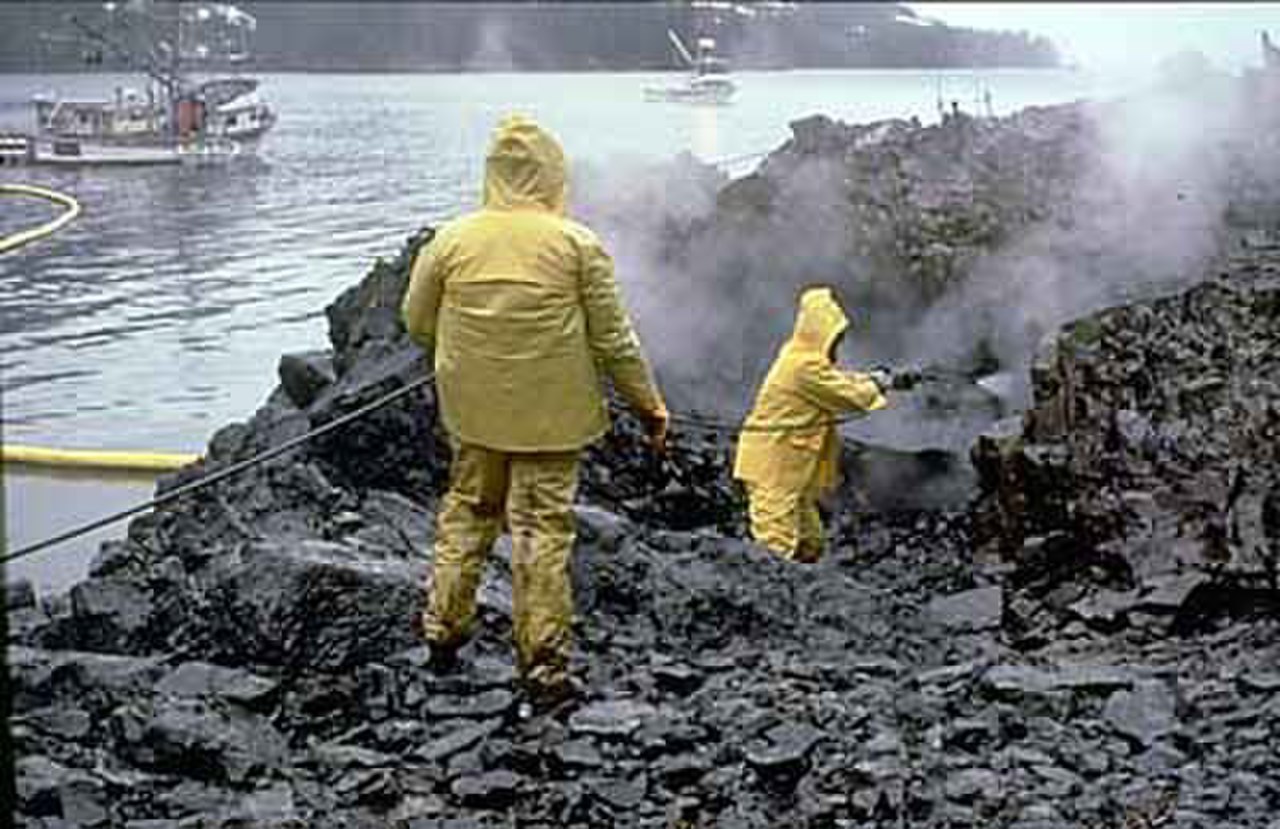
Like other major producers, ExxonMobil has been the subject of public scrutiny regarding environmental impacts, climate science and regulatory compliance. Notable episodes in its history include the 1989 Exxon Valdez oil spill, which involved the company's predecessor and led to extensive cleanup, litigation and changes in shipping practices. In recent decades the firm has faced criticism and legal scrutiny over its historical research and public statements related to climate change and policy; these matters have prompted public debate, investigative reporting and regulatory inquiries into corporate communications and lobbying practices. For perspectives on these debates see reporting on the broader global warming and energy policy discussions.
Importance and recent directions
ExxonMobil remains a significant employer, taxpayer and investor in energy infrastructure. Its size gives it influence in technology development, commodity markets and industry standards. In more recent years the company has announced investments in lower-emission technologies, including carbon management and alternative fuels, while continuing to supply conventional hydrocarbons that meet current global demand. Observers track how major oil companies balance near-term energy supply with longer-term transitions in energy systems and climate policy.
For further information on the oil and gas sector context, industry trends and regulatory frameworks see general resources on the oil and gas industry and corporate disclosures available through public filings and investor relations portals such as company resources and industry analyses linked from major financial exchanges.
Additional background and reading can be found in historical overviews of the Standard Oil breakup and successor firms (Standard Oil history), financial market listings (NYSE: XOM) and discussions of environmental controversies and policy debates (climate and regulatory issues).
Questions and answers
Q: What is ExxonMobil?
A: ExxonMobil is the largest oil and gas company in the world, formed by a merger of Exxon and Mobil.
Q: How was ExxonMobil formed?
A: ExxonMobil was formed when Exxon and Mobil, two companies formed after John D. Rockefeller’s original Standard Oil company split apart, merged.
Q: What is the controversy surrounding ExxonMobil?
A: ExxonMobil has been involved in the global warming controversy, along with other Big Oil corporations such as Royal Dutch Shell.
Q: What is Big Oil?
A: Big Oil is a term used to refer to the largest oil companies in the world, including ExxonMobil and Royal Dutch Shell.
Q: Who founded Standard Oil?
A: John D. Rockefeller founded Standard Oil.
Q: What was Standard Oil?
A: Standard Oil was a collection of oil refineries and pipelines that dominated the oil industry in the late 19th century.
Q: When did ExxonMobil become one company?
A: ExxonMobil became one company after the merger of Exxon and Mobil.
Related articles
Author
AlegsaOnline.com ExxonMobil Leandro Alegsa
URL: https://en.alegsaonline.com/art/33058
Sources
- nybooks.com : "The Rockefeller Family Fund vs. Exxon"
- nybooks.com : "The Rockefeller Family Fund Takes on ExxonMobil"
- nytimes.com : "Exxon Concedes It May Need to Declare Lower Value for Oil in Ground"
- insideclimatenews.org : "Federal Climate Investigation of Exxon Likely to Fizzle Under Trump"
- nytimes.com : "S.E.C. Is Latest to Look Into Exxon Mobil's Workings"
- wsj.com : "SEC Probes Exxon Over Accounting for Climate Change; Probe also examines company's practice of not writing down the value of oil and gas reserves"
- bloomberg.com : "Just Another Cloud In Exxon's Sky"
- nytimes.com : "A New Debate Over Pricing the Risks of Climate Change"
- economist.com : "How to deal with worries about stranded assets, Oil companies need to heed investors' concerns"
- huffingtonpost.com : "Should America Pick A Secretary Of State Who Faces Fraud Investigations?"
- americanprogress.org : "How Exxon Won the 2016 Election"
- youtube.com : Shell Oil's Stark Climate Change Warning from 1991
- theguardian.com : "'Shell knew': oil giant's 1991 film warned of climate change danger; Public information film unseen for years shows Shell had clear grasp of global warming 26 years ago but has not acted accordingly since, say critics"