
Professional Wrestling Attacks: Types, Purpose, and History
An overview of attacks used in professional wrestling: categories of moves, how they function within matches, historical roots, examples, and safety and storytelling considerations.
Professional wrestling attacks are the repertoire of physical maneuvers performers use to advance a match’s story. Though presented as combat, most attacks are cooperative, blending athletic technique, timing, and showmanship to create dramatic impact while protecting participants. Matches organize attacks into sequences that build momentum, sell injury, and create opportunities for signature moves and finishing techniques. For more detailed move lists and examples see reference resources.
Image gallery
10 Images


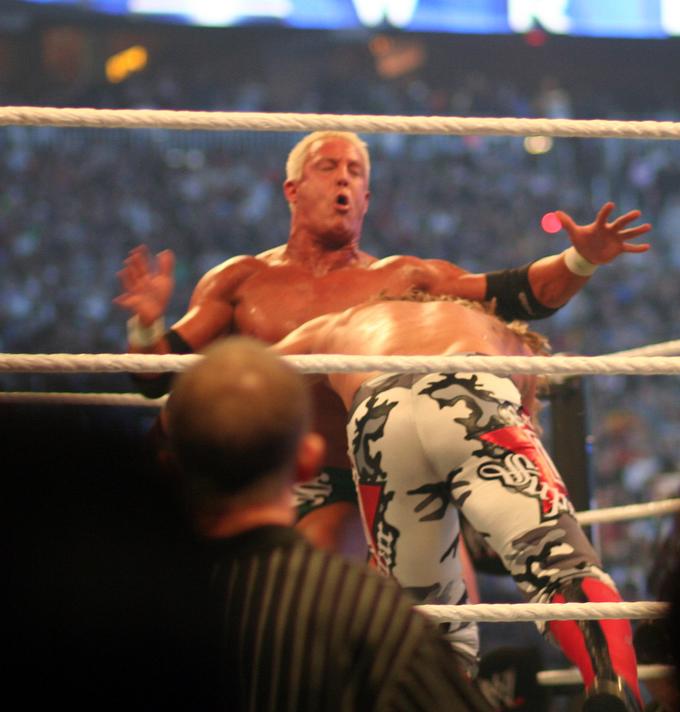
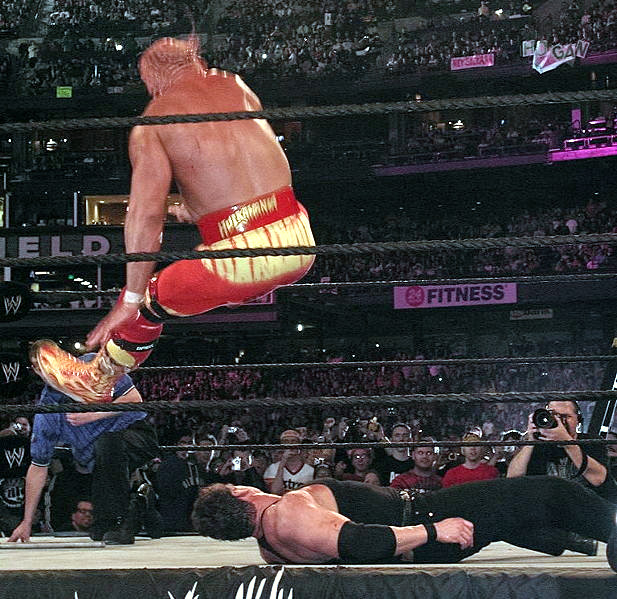
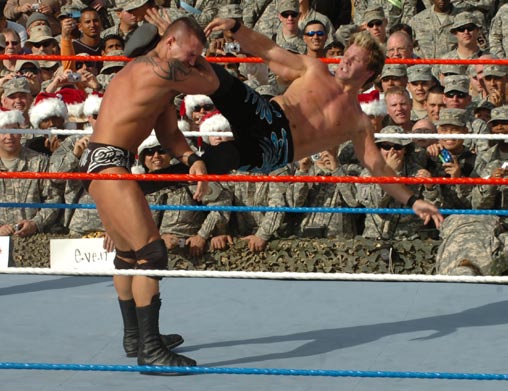
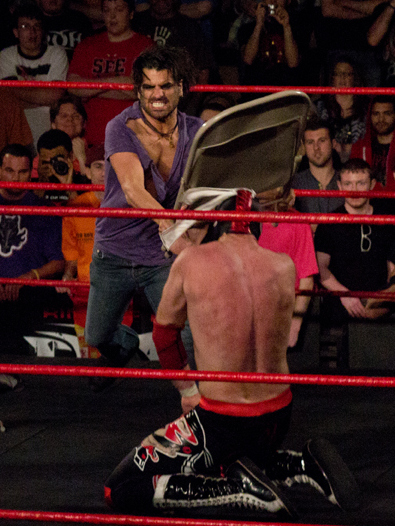

Common categories
- Strikes: punches, chops, kicks, forearms and clotheslines used to stun or set up other moves.
- Grapples and holds: headlocks, arm drags, armbars and other joint manipulations often aimed at submission or control.
- Throws and suplexes: lifts and slams such as suplexes and hip tosses that shift momentum through elevation and impact.
- Aerial attacks: dives, moonsaults and springboard moves launched from the ropes or turnbuckles.
- Power moves and slams: powerbombs, spinebusters and piledrivers that require strength and coordination.
- Submission and finisher holds: deliberate holds intended to end a match or dramatize vulnerability, like the armbar or a choke-based hold.
Each attack combines biomechanics and choreography. Performers "sell" attacks — visibly reacting to convey pain — and chain moves to create believable sequences. Timing, spatial awareness, and mutual trust reduce injury risk while preserving theatrical intensity.
Origins and development
Many attacks derive from catch wrestling, amateur grappling and regional striking traditions. As wrestling evolved into a staged entertainment form, promoters and athletes refined moves for spectacle and safety. Distinct regional styles developed — for example, the high-flying emphasis of lucha libre and the stiff striking and martial presentation of puroresu — each influencing the repertoire of attacks used worldwide.
Attacks serve multiple functions: advancing character, producing dramatic near-falls, and differentiating performers through signature and finishing moves. Understanding the variety of attacks clarifies how wrestling balances athleticism, narrative, and crowd engagement while continually adapting techniques for safety and entertainment value.
Related articles
Author
AlegsaOnline.com Professional Wrestling Attacks: Types, Purpose, and History Leandro Alegsa
URL: https://en.alegsaonline.com/art/79354