
High‑flying techniques in professional wrestling
Overview of aerial or 'high‑flying' techniques used in professional wrestling: categories, execution, history, uses in match storytelling, and safety considerations.
Aerial techniques—often called high‑flying moves—are a prominent feature of professional wrestling, characterized by attacks launched from elevated positions and acrobatic maneuvers in midair. They range from relatively simple dives to complex flips and multi‑rotation presses. These moves are valued for their visual spectacle, athleticism and ability to change the pace of a match quickly.
Image gallery
10 Images


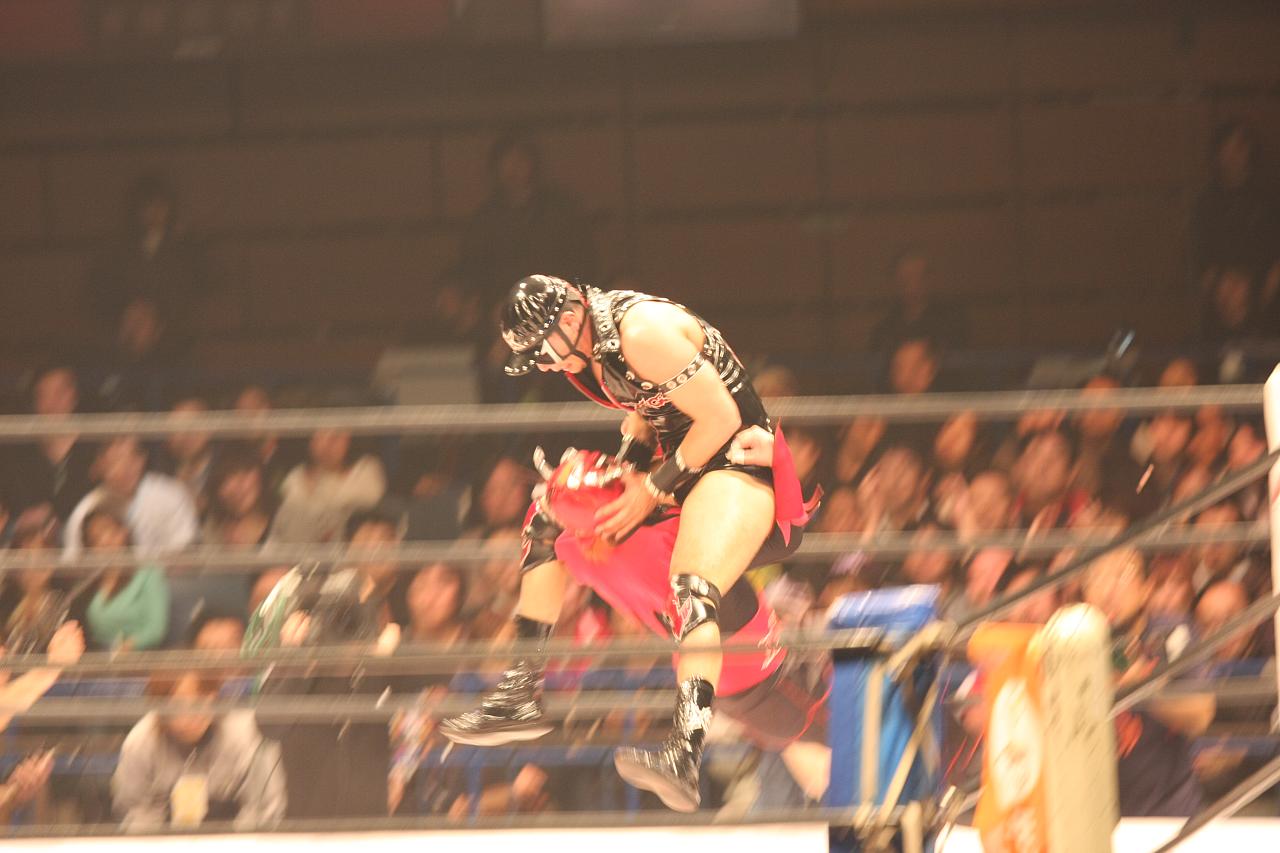
Common categories
- Top‑rope strikes and splashes: attacks launched from the turnbuckle such as splashes, moonsaults and leg drops; they rely on controlled rotation and precise timing.
- Running dives and tope dives: dives through or over the ropes to the outside; examples include suicide dives and cross‑body dives that clear the ring apron.
- Springboard and rebound attacks: using the ropes to gain bounce and height, allowing moves like springboard dropkicks, corkscrews or twisting flips.
- Flip‑based attacks: acrobatic maneuvers such as shooting star presses, 450° splashes and backflips that incorporate multiple rotations.
- Transitional moves: aerial hurricanranas or Spanish Fly variations that combine throws and flips to transition into pins or other holds.
Execution and characteristics
Successful aerial attacks depend on speed, body control, ring awareness and cooperation between performers. Aerialists time their run‑ups, set a stable launch point and use the ropes for spring or directional change. Proper selling and positioning by the receiving wrestler are equally important to sell impact and protect both athletes. Many high‑risk moves require spot callers and rehearsal in training to reduce injury risk.
Origins and development
High‑flying techniques evolved across several regional styles. Lucha libre in Mexico popularized fast-paced aerial offense and dives to the outside, while Japanese junior heavyweight and North American cruiserweight divisions emphasized acrobatics and aerial counters. Over decades the cross‑pollination of those styles led to increasingly complex variations and a global appetite for spectacular aerial spots.
Uses, storytelling and safety
Aerial techniques are tools for storytelling: a well‑timed dive can punctuate a comeback, create dramatic near‑falls or establish a wrestler's persona as risk‑taking. Promoters and performers must balance spectacle with safety; miscalculation can cause serious injury. Accordingly, wrestlers typically build progression from basic top‑rope moves to advanced flips, and modern training places strong emphasis on conditioning, technique and situational awareness.
For a concise catalog of move names and demonstrative explanations, see this related resource which outlines common aerial attacks and their variations.
Related articles
Author
AlegsaOnline.com High‑flying techniques in professional wrestling Leandro Alegsa
URL: https://en.alegsaonline.com/art/79353
Sources
- theage.com.au : "Zidane heads a list that dates back to the dinosaur"
- legacyofwrestling.com : "Scott Steiner Wrestling History"
- slam.canoe.ca : "Jericho, Benoit on their time in Mexico - Lucha Libre: A spicy Mexican treat"