
Professional wrestling holds
Techniques used in scripted professional wrestling matches to control, immobilize or force an opponent to submit; categories, examples, history, and safety considerations.
The term "hold" in professional wrestling refers to any technique applied to an opponent with the intent of restraining, controlling or causing them to submit. In the context of scripted sports entertainment, holds are presented as decisive and painful moves while performers work to apply them in a controlled way that protects both competitors. Many holds are adapted from legitimate grappling arts and given theatrical names and finishing roles within matches.
Image gallery
10 Images


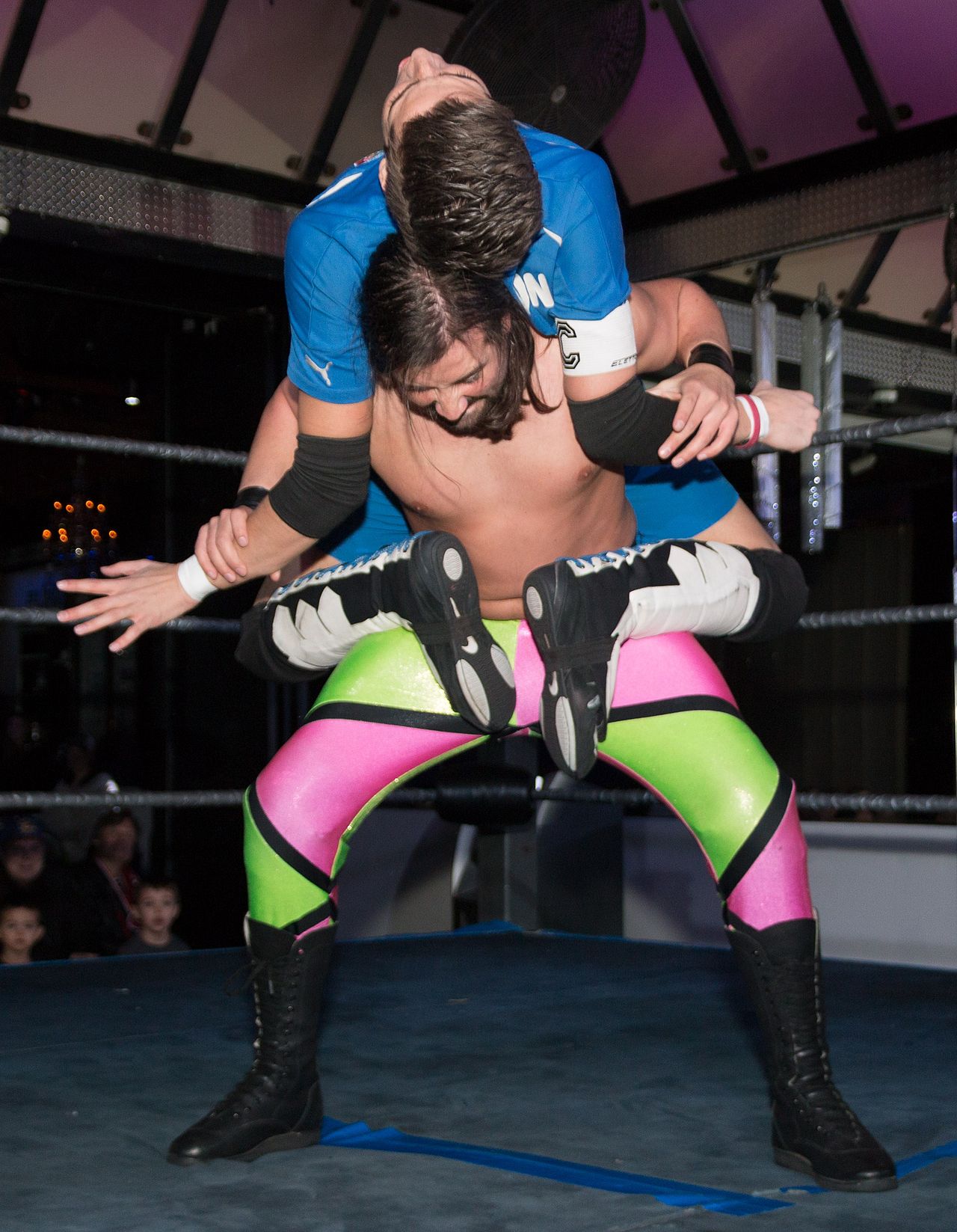

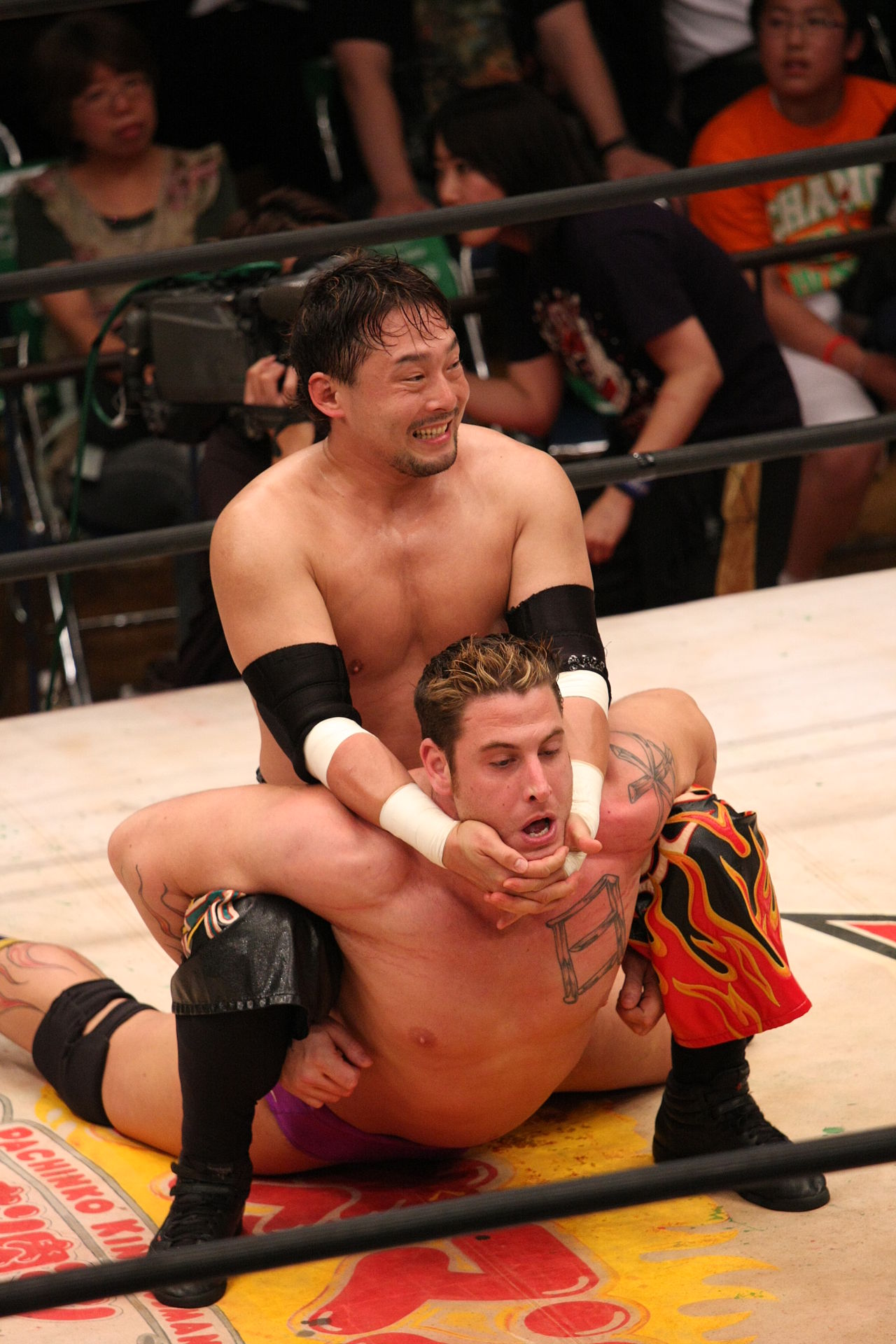

Characteristics and categories
Holds can be grouped by the body part targeted or by their function. Common categories include:
- Armlocks and wristlocks — techniques that isolate an arm to bend, twist or hyperextend a joint (for example, the keylock or cross armbar).
- Leglocks and ankle locks — holds that attack the knee, ankle or foot, such as the figure-four leglock or ankle lock.
- Necklocks and chokes — moves that compress the neck or airway, like the guillotine or sleeper hold; some promotions limit or ban certain choke techniques for safety.
- Compression and restraint holds — holds that immobilize without necessarily targeting a single joint, for instance the bearhug or camel clutch.
History and influences
Modern professional wrestling draws on catch wrestling, amateur wrestling, judo, jiu-jitsu and other grappling arts. During the 19th and early 20th centuries, grapplers traveled and competed under a variety of rules; over time many effective submission techniques entered the theatricalized world of pro wrestling. Promoters and performers adapted these techniques to fit the storytelling and safety demands of scripted shows.
Uses, examples and role in matches
Holds serve multiple purposes: to sell a narrative (show dominance or injury), to transition between sequences, to set up a finishing maneuver, or to win by submission. Well-known examples include the cloverleaf (a leglock variant), the keylock (an armlock), the guillotine choke (a neck hold), the figure-four, the crossface and the ankle lock. A hold may end a match if the opponent taps out, verbally submits, or is rendered unable to continue.
Safety and distinction from combat sports
Because professional wrestling is entertainment rather than a pure competitive sport, performers train extensively to apply holds convincingly while minimizing injury. Many promotions and trainers emphasize safe application, the use of signals such as a tap out, and the avoidance of high-risk techniques in routine matches. Holds are therefore part technique, part choreography: they must look decisive while being controlled enough to protect the participants.
For further reading on move terminology and technique descriptions see general resources on professional wrestling moves and match psychology: reference material.
Related articles
Author
AlegsaOnline.com Professional wrestling holds Leandro Alegsa
URL: https://en.alegsaonline.com/art/79355
Sources
- accelerator3359.com : "Dean Malenko's Finishing Move"