
Professional wrestling match types
An overview of the major professional wrestling match types, their characteristics, history, and how stipulations shape storytelling and in-ring action.
Professional wrestling employs a wide variety of match formats and stipulations to shape competition, advance storylines, and create spectacle. While the core presentation is choreographed entertainment, different match types impose rules (or the lack of them), introduce weapons, alter victory conditions, or change the number and arrangement of participants. These variations affect pacing, psychology, and the kind of risk wrestlers take during a contest.
Image gallery
10 Images





Common categories and characteristics
Most matches fall into broad categories that describe participant structure and objective:
- Singles: one-on-one contests decided by pinfall, submission, countout, or disqualification.
- Tag team: teams of two or more use tags to exchange active competitors.
- Multi-person and elimination: triple threat, fatal four-way, or elimination-style bouts where several wrestlers compete simultaneously or in a sequence.
- Battle royals and rumble-style: many competitors with last-person-standing rules; some feature staggered entrances.
Stipulations and specialty matches
Stipulations change the rules to heighten drama. Examples commonly seen include:
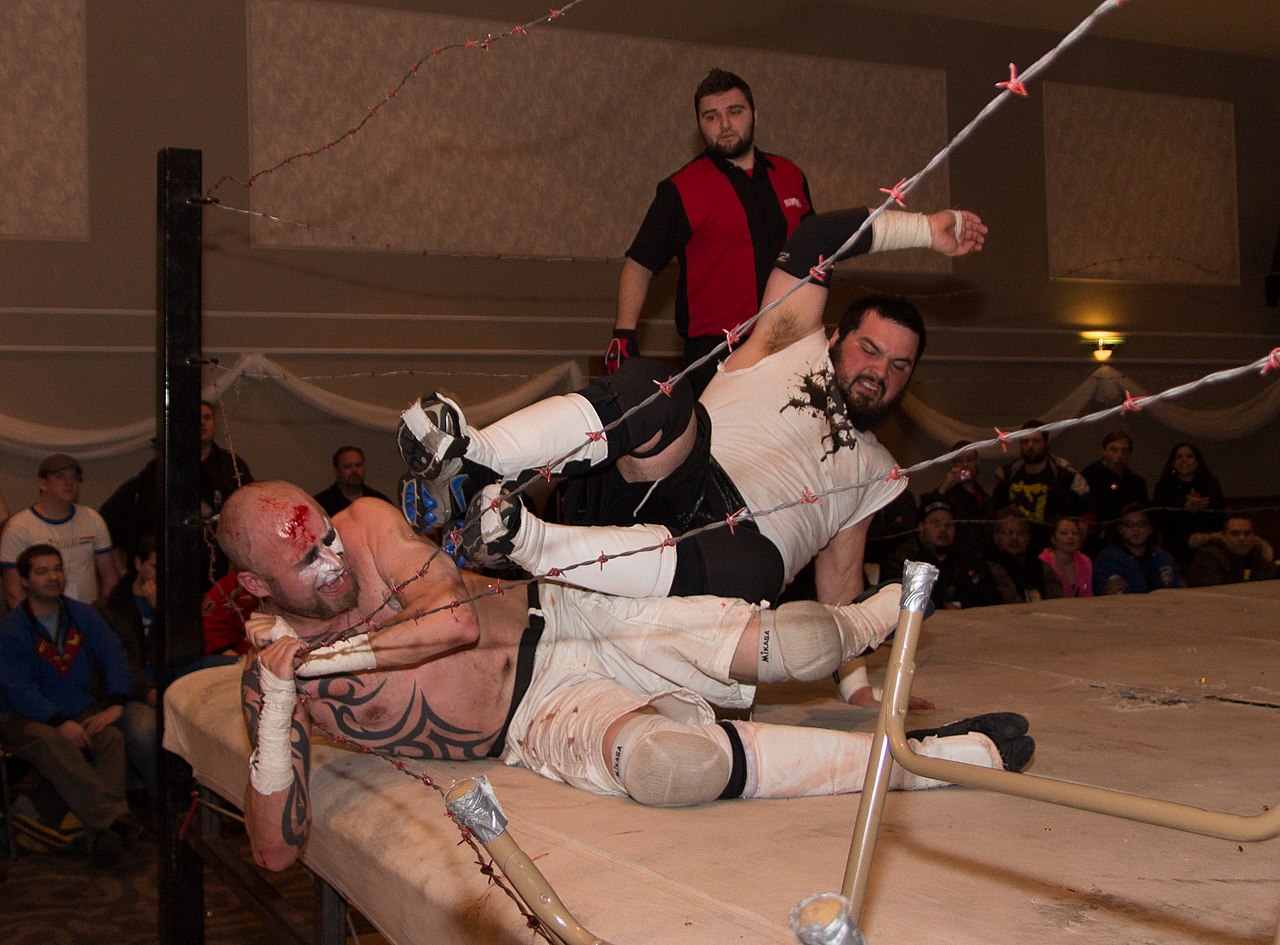
- No Disqualification/Hardcore: weapons allowed and pinfalls count anywhere in some variations; hardcore wrestling was popularized in certain independent promotions.
- Steel cage / Hell in a Cell: enclosures intended to prevent escapes, interference, or to create a brutal environment.
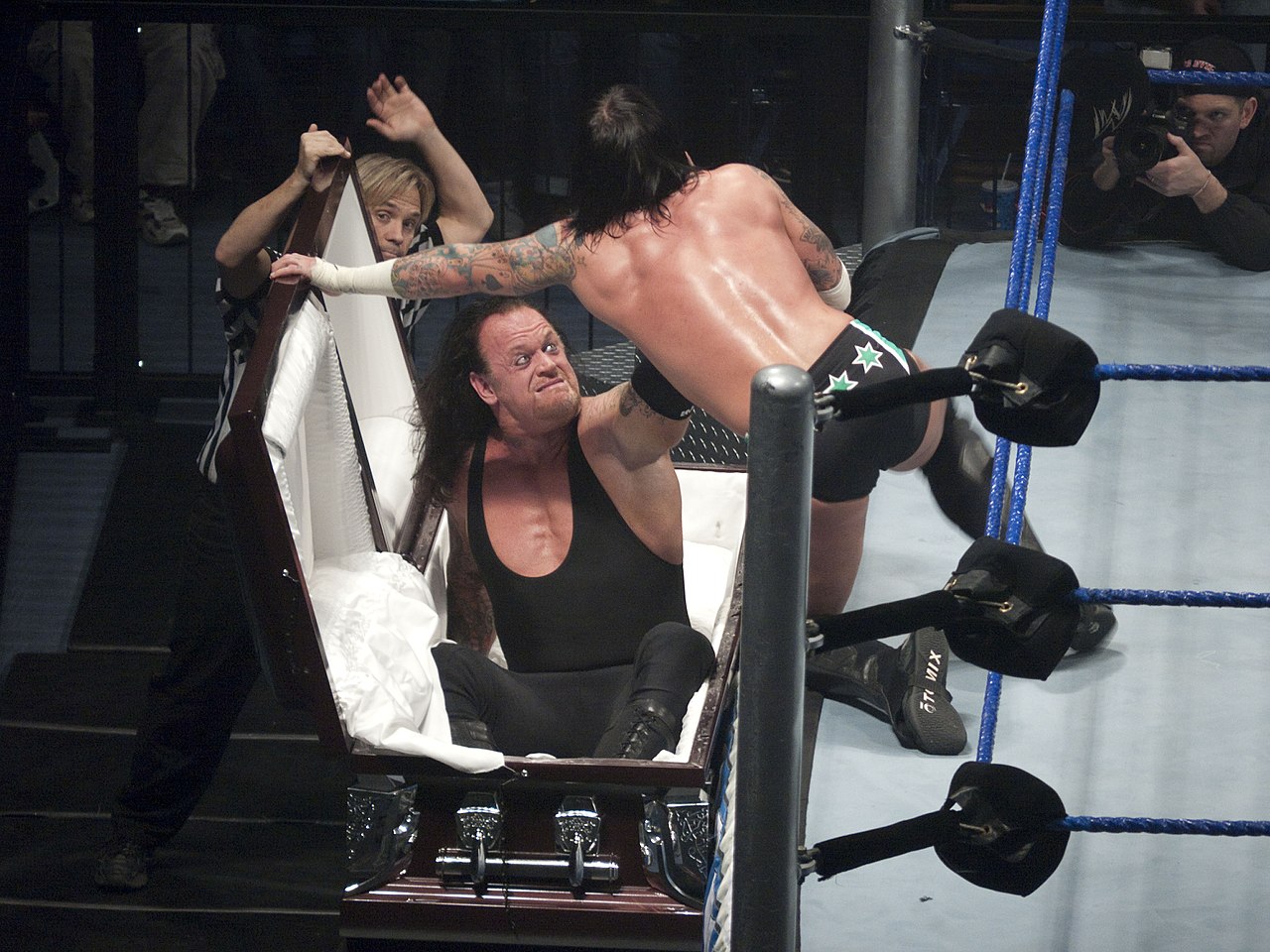
- Ladder, Tables, Chairs (TLC), and Falls Count Anywhere: matches that incorporate objects as winning tools or permit pinfalls away from the ring.
- Submission / I Quit: victory only by making an opponent submit or verbally concede.
- Lucha libre bets (Lucha de Apuestas): bouts where competitors wager masks or hair—holding cultural significance in Mexico.
History and development
Match diversity grew from early carnival and territorial wrestling into national and international promotions. Different regions and companies innovated to differentiate their shows—some creating signature formats that became annual spectacles. Styles from Mexican lucha libre, Japanese puroresu and North American entertainment wrestling have all influenced types and presentation.
Role in storytelling and safety
Choosing a match type serves storytelling: a stipulation can settle a feud, elevate a performer, or provide a marquee attraction for a pay-per-view. At the same time, safety protocols and choreography adapt to the match’s risks—workers, referees, and producers plan sequences to balance spectacle with well-being.
For organized lists and further reading, see professional wrestling match types.
Related articles
Author
AlegsaOnline.com Professional wrestling match types Leandro Alegsa
URL: https://en.alegsaonline.com/art/79356
Sources
- wwe.com : "Sunday Night Heat's 10 hottest moments"
- wwe.com : "Go to "Hell""
- wwe.com : "Inside the Elimination Chamber with Triple H"