
Prince of Asturias
Traditional title for the heir to the Spanish throne, created in 1388 for the heir apparent and restored after the 20th-century interruption during Spain's transition to constitutional monarchy.
Overview
The Prince of Asturias (Spanish: Príncipe de Asturias; Asturian: Príncipe d'Asturies) is the historic and customary title borne by the heir to the Spanish crown. Modeled on medieval territorial principalities, the dignity has functioned as the principal designation of the heir since its creation in the late 14th century. It carries ceremonial, representational and symbolic significance rather than independent sovereign authority over the region of Asturias.
Image gallery
10 Images





Origins and historical development
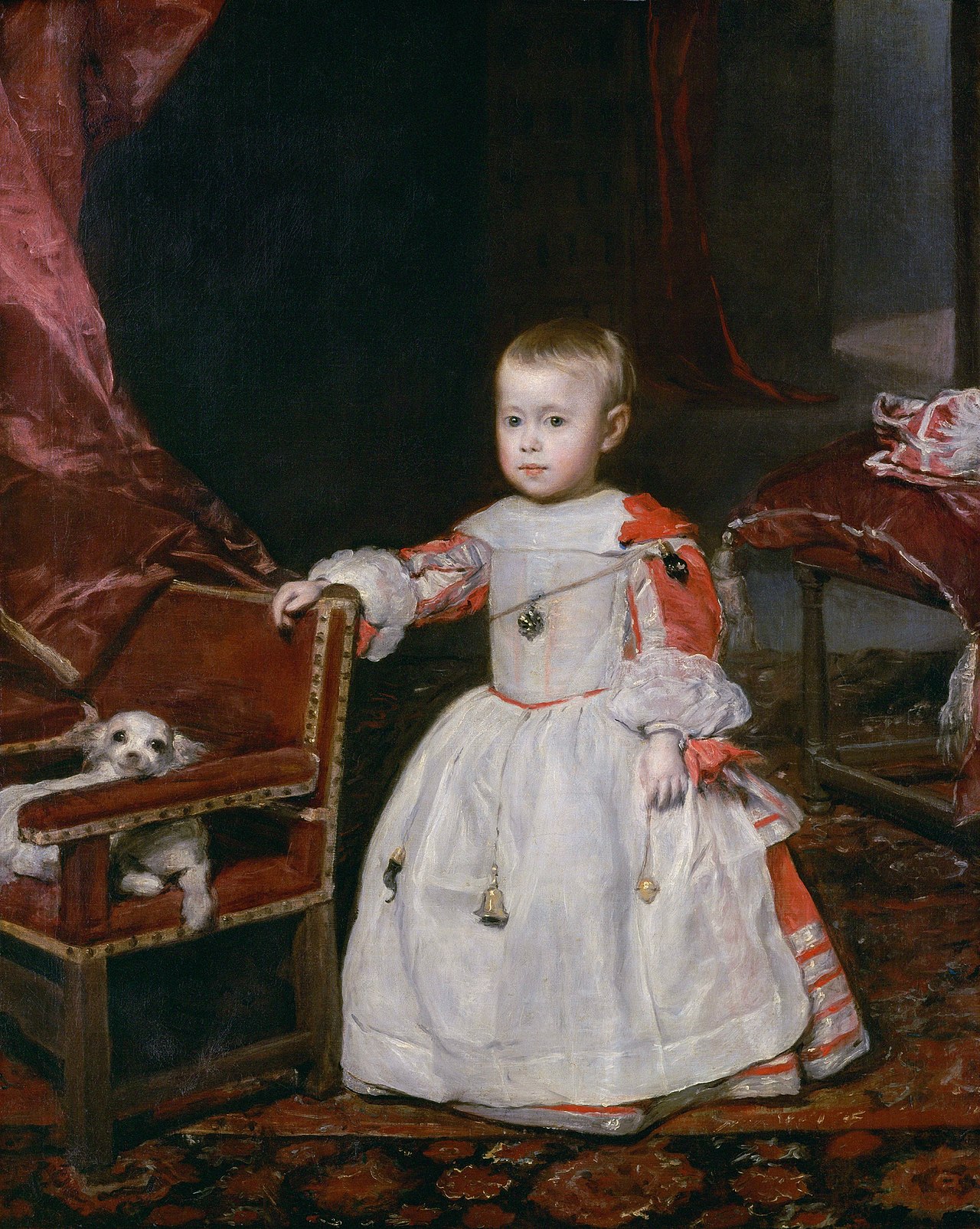
The title was first created in 1388 when John I of Castile granted it to his eldest son, the future Henry III, establishing a practice of attaching a territorial style to the heir. Over time the title became embedded in the composite monarchy that eventually formed modern Spain. The designation recalled regional identities within the Iberian kingdoms and provided the heir with a clear public identity and rank within the royal family.
Functions and associated titulary
As a royal style, the Prince of Asturias denotes the person first in the line of succession, whether heir apparent or heir presumptive. In contemporary practice the heir also uses other historical titles reflecting Spain's constituent crowns, notably Prince of Girona (Aragonese tradition) and Prince of Viana (Navarrese tradition). The full titulary is largely ceremonial and used in official communications, investitures and cultural patronage.
Legal basis and succession
The use of the title is governed by constitutional and royal practice rather than by separate territorial rule. Spain's constitution and the laws governing the monarchy set rules of succession and the formal recognition of the heir; when a person becomes heir apparent or heir presumptive, the style Prince of Asturias is customarily conferred and used in state ceremonies and on documents that identify the heir.
20th-century interruption
The continuity of the title was interrupted in the 20th century when Spain became a republic and later experienced authoritarian rule. The monarchy was abolished in 1931 and the traditional succession structures were not in use until after the Francoist period. During the dictatorship, the regime did not restore the medieval dignity and in one notable instance the monarchy's restoration was managed under different formal styles; the abolition and later reconfiguration of monarchical titles were part of a broader constitutional and political upheaval in Spain's modern history. For contemporary summaries of that period see accounts of the 1931 abolition.
Franco, Juan Carlos and the title's restoration
Under the dictatorship Francisco Franco played a central role in determining the post-dictatorial succession. Franco appointed Juan Carlos de Borbón as his successor but used the distinct style "Prince of Spain" for the designated successor rather than the medieval title. After Franco's death and during Spain's transition to constitutional monarchy the traditional title was restored. In the late 1970s the then-heir was publicly invested with the historic style; the future Felipe VI was granted the title while serving as the monarch's heir and is a recent example of its modern use. In general discussions of heirs and succession the term heir apparent clarifies the difference between those who cannot be displaced and those who are heirs presumptive.
Modern significance and cultural legacy
In contemporary Spain the title remains an important symbol of continuity and national ceremonial life. The office associated with the Prince of Asturias often maintains patronage of cultural, scientific and philanthropic initiatives; the name appears in awards, foundations and public events that reinforce a non-political, representative role for the heir. The style thus links a medieval territorial tradition to modern constitutional monarchy and public service.
Notable aspects
- Territorial form, ceremonial role: the title is territorial in style but confers no governing power over Asturias.
- Composite titulary: heirs commonly hold additional historical titles that reflect Spain's plural origins, such as Prince of Girona and Prince of Viana.
- Adaptation to constitutional change: the use and form of the title have changed in response to republican periods, authoritarian rule, and the later restoration of constitutional monarchy.
Further reading and resources
Readers seeking more detailed chronological lists of holders, specific investiture ceremonies, or legal texts that govern the monarchy may consult academic histories, constitutional documents and institutional publications. Contemporary summaries and official references often appear in government archives and reputable histories of modern Spain; see also entries that treat the broader history of the Spanish monarchy and succession practices.
External links
Asturian form and local context | 20th-century constitutional changes | Francoist period and succession | Juan Carlos de Borbón | Felipe VI | Heir apparent terminology
Related articles
Author
AlegsaOnline.com Prince of Asturias Leandro Alegsa
URL: https://en.alegsaonline.com/art/79171