
Felipe VI of Spain: Life, education, role, and reign
An encyclopedic overview of King Felipe VI of Spain: his background, education, military service, family, accession in 2014, constitutional role, and public priorities as head of state.
Felipe VI (born Felipe Juan Pablo Alfonso de Todos los Santos de Borbón y de Grecia; 30 January 1968) is the reigning monarch of Spain. He is the only son of Juan Carlos I and Queen Sofía, and the younger brother of Infanta Elena and Infanta Cristina. Before his accession in 2014 he held the traditional title Prince of Asturias and carried out public duties as heir to the throne.
Image gallery
10 Images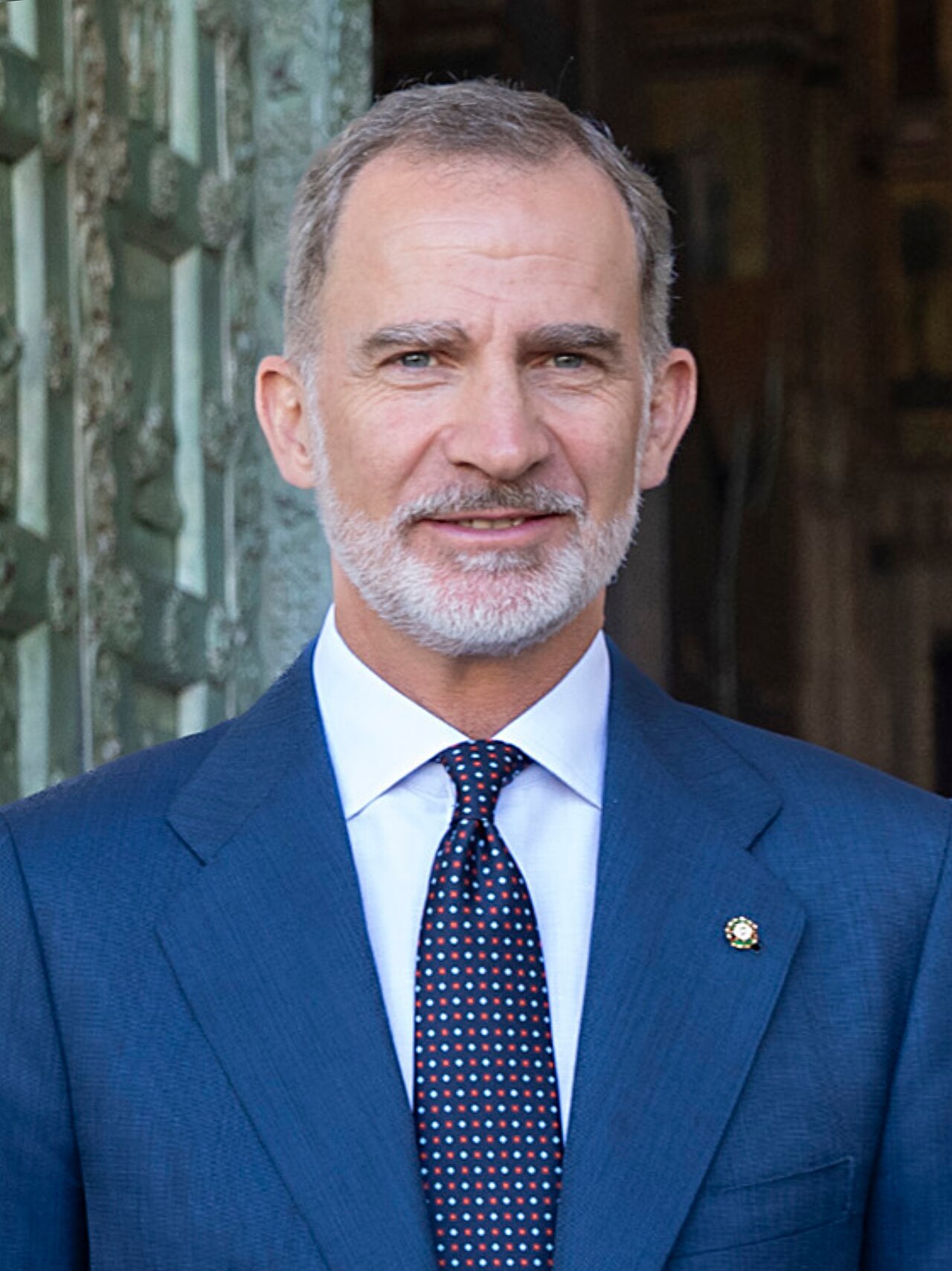




Early life and education
Felipe was born and baptised into Spain's royal family and received both Spanish and international schooling. He attended the Centro Privado de Enseñanza Santa María de los Rosales in Madrid and completed part of his secondary education at Lakefield College School in Canada. He studied at the Universidad Autónoma de Madrid, where he took courses in law and economics, and later earned a master's degree in foreign service from Georgetown University in the United States. His education combined legal, economic and international relations training in preparation for public responsibilities.
Military training and early public service
As is customary for heirs in Spain, Felipe completed formal military training across the three services. He attended the General Military Academy and undertook officer training with the army, navy and air force. These courses prepared him for roles that include representing the armed forces ceremonially and, constitutionally, as head of state. During his years as heir he also represented Spain abroad, engaged in diplomatic work and participated in cultural and social initiatives.
Marriage and family
In 2004 Felipe married Letizia Ortiz Rocasolano at the Almudena Cathedral in Madrid; she is styled as Queen Letizia of Spain (Letizia). The couple have two daughters: the elder, Leonor, Princess of Asturias, is the heir presumptive; the younger is Infanta Sofía. The royal family undertakes official ceremonies, patronages and visits that are part of the monarchy's public role.
Accession and responsibilities
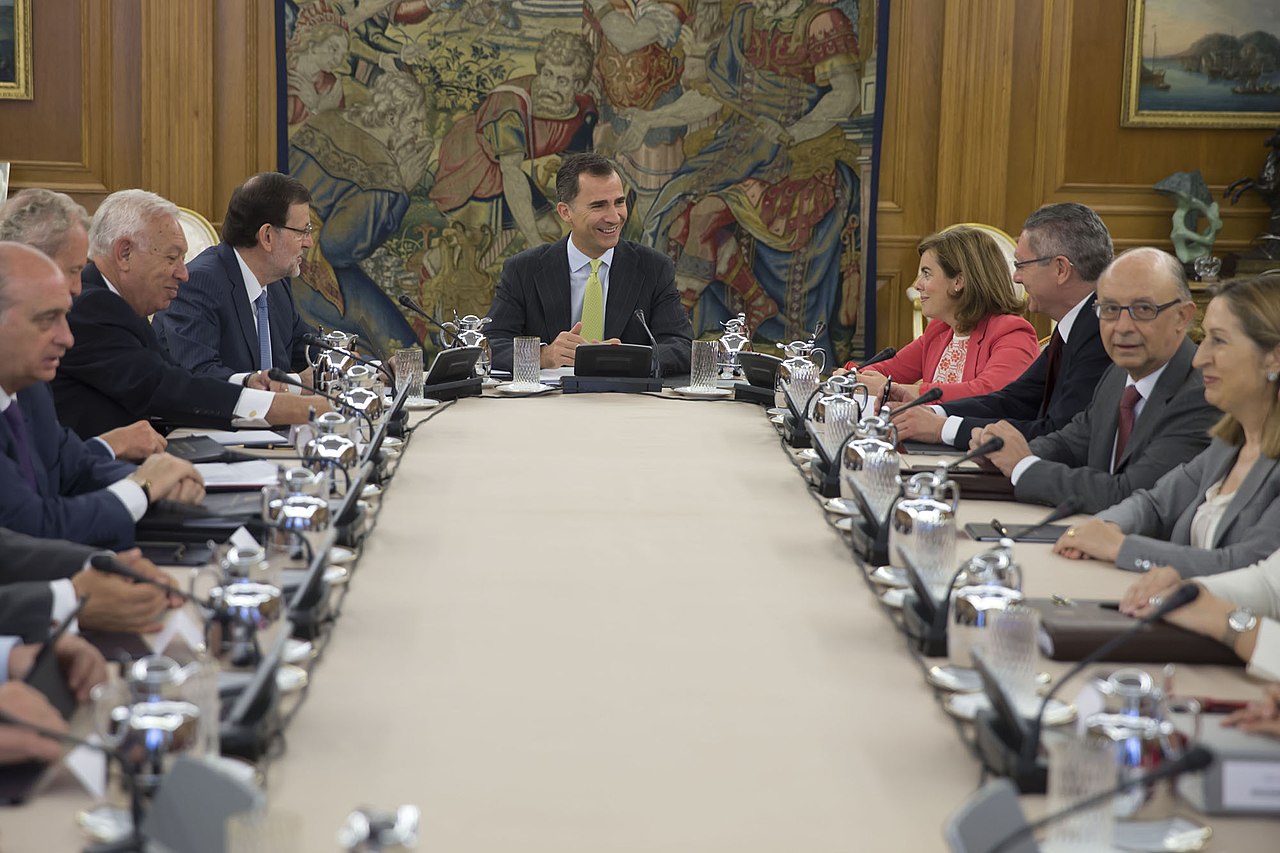
King Juan Carlos I announced his intention to abdicate in June 2014 and Felipe succeeded to the throne later that month. His accession marked a generational transition and a reaffirmation of the Spanish constitution's role for the monarchy. As constitutional monarch, Felipe VI performs duties that include sanctioning legislation, calling and dissolving parliament on the advice of elected leaders, accrediting diplomatic representatives, and representing Spain internationally. The monarch also presides over certain state ceremonies and maintains a visible presence as a symbol of national continuity.
Public image, reforms and notable aspects of his reign
Felipe has sought to modernize elements of the Crown's public presence and to emphasize transparency and institutional probity. He has balanced ceremonial duties with diplomatic and social engagements, and he has at times taken measures to distance the Crown from controversies affecting family members or past practices. As king he faces the complex task of representing a plural and politically diverse country while remaining above day-to-day party politics.
Recognition and context
- Felipe's upbringing combined Spanish royal traditions with international education and military training.
- His marriage and children ensure the continuity of succession under the current constitutional rules.
- The monarchy under Felipe continues to play a constitutional and symbolic role in Spain's parliamentary democracy.
For more on members of his family and institutions associated with the Spanish monarchy see dedicated entries for Juan Carlos I, Queen Sofía, Infanta Elena, Infanta Cristina, Georgetown University, Letizia, Almudena Cathedral and Leonor.
Related articles
Author
AlegsaOnline.com Felipe VI of Spain: Life, education, role, and reign Leandro Alegsa
URL: https://en.alegsaonline.com/art/118890
Sources
- casareal.es : "His Majesty the King Juan Carlos" · web.archive.org
- bbc.com : "Spanish politicians lay out abdication timetable"