
Prime Minister of the Democratic Republic of the Congo
The Prime Minister is the head of government in the DRC. This article outlines the office's role, appointment, historical evolution since 1960, constitutional basis, and its political significance.
The Prime Minister of the Democratic Republic of the Congo is the head of government within the country's constitutional framework. The office exists alongside a separately elected president and is intended to direct the government’s daily operations, coordinate ministers and implement policy. The position is known in multiple national languages — French (Premier-ministre), Swahili (Waziri Mkuu wa Jamhuri ya Kidemokrasia ya Kongo) and Lingala (Minisele ya Yambo wa Republiki ya Kɔ́ngɔ Demokratiki) — reflecting the DRC’s linguistic diversity. The post has been subject to considerable change over time as political systems and constitutions in the country evolved.
Image gallery
10 Images




Functions and constitutional role
Under the modern constitutional arrangements, the prime minister is responsible for organizing government work and executing laws adopted by the legislature. Typical responsibilities include proposing and overseeing ministerial appointments, coordinating policy across ministries, directing the civil administration in day-to-day matters, and presenting government programs to the national assembly for approval. The prime minister is politically accountable to Parliament and must maintain the confidence of the legislative majority to remain in office; the exact balance of powers between president and prime minister can vary depending on political circumstances and the constitution in force.
Appointment and political dynamics
The prime minister is usually appointed by the president, frequently from the party or coalition that controls the national assembly. In practice, the role often functions as an interface between the president and Parliament: when the president’s party holds the legislative majority, the prime minister may act primarily as an executive agent of the presidency; when different forces control Parliament, the prime minister can lead a government formed through coalition bargaining and exercise significant independent authority. Periods of "cohabitation" or coalition rule have altered the practical influence of the office at different times.
Historical development
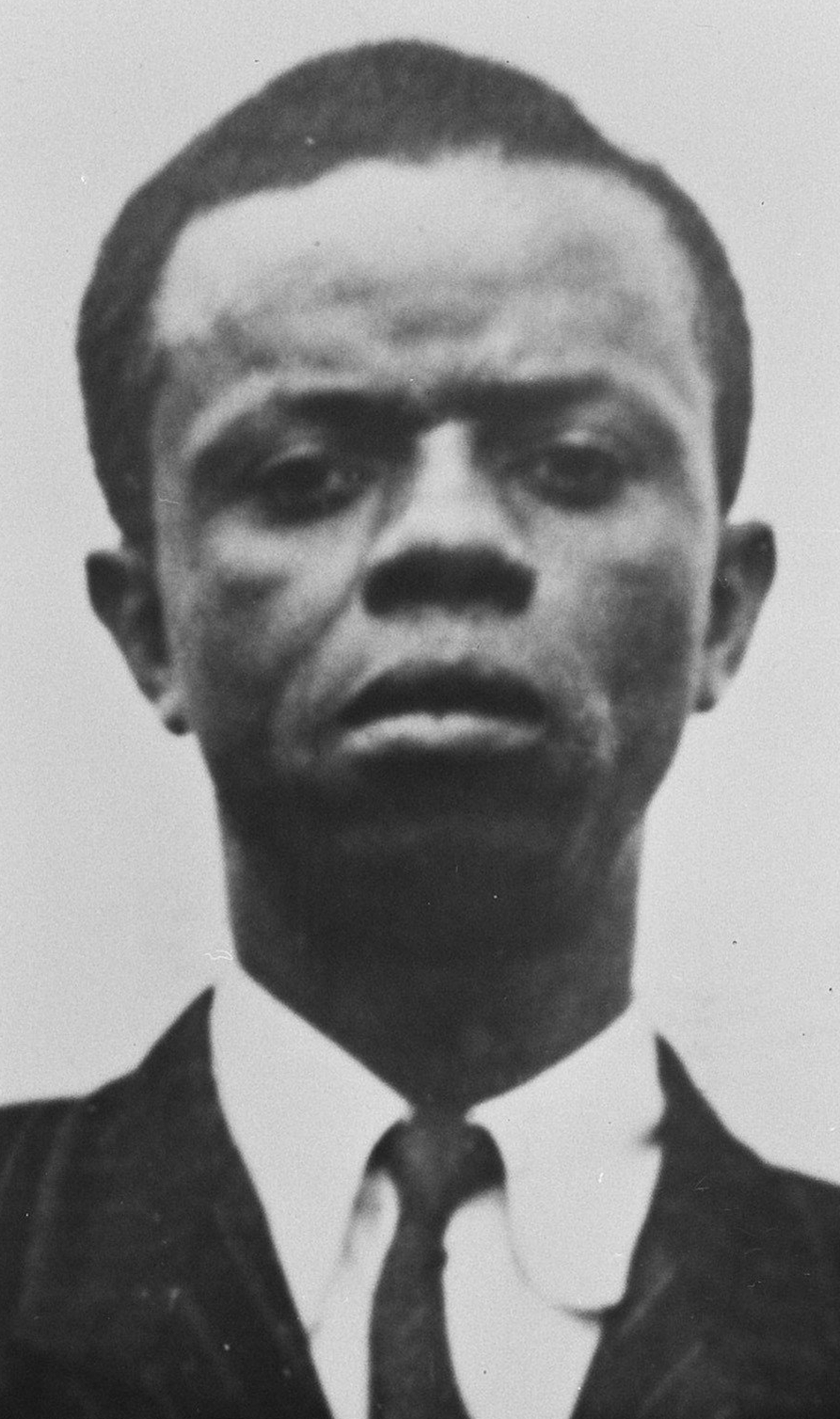
The office of prime minister existed from independence in 1960, with the first holder being Patrice Lumumba, a leading figure in the independence movement and the country's early postcolonial government. Over subsequent decades, constitutional changes and periods of centralized rule altered the office’s prominence. In 1977 the role was reshaped under a different title, often translated as "First State Commissioner," with considerably less independent authority. The post was recorded as vacant at the time of major political transitions in 1997. Later constitutional reforms, including the one adopted in 2006, re-established the prime ministerial office in its contemporary form and clarified its duties within the semi-presidential system.
Importance and notable facts
The prime ministership in the DRC has been a focal point for political compromise, power-sharing and administrative coordination in a very large and diverse country. Holders of the office have at times been instrumental in stabilizing coalitions, directing reconstruction efforts, or implementing economic policy, while at other moments the post has been marginalized by a dominant presidency. The office’s influence depends heavily on the political landscape: constitutional text sets out powers, but practice is shaped by party strength, public legitimacy and the broader balance of forces.
Typical duties and distinctions
- Organize and chair government meetings and set administrative priorities.
- Propose ministerial appointments for presidential approval and present government programs to Parliament.
- Coordinate policy implementation across ministries and public administration.
- Answer parliamentary questions and defend government policy before the legislature.
The office differs from the presidency in being centered on management and parliamentary accountability rather than on head-of-state functions and international representation. For further background on early post-independence governments and constitutional shifts, see references to the first government after independence and notable leaders of that era.
Related articles
Author
AlegsaOnline.com Prime Minister of the Democratic Republic of the Congo Leandro Alegsa
URL: https://en.alegsaonline.com/art/79111
Sources
- worldstatesmen.org : worldstatesmen.org/Zaire1990.pdf