
Prime Minister of Tuvalu
The Prime Minister of Tuvalu is the head of government in this small constitutional monarchy. The office is filled by a member of Parliament elected by MPs, sworn in by the Governor‑General, and leads the Cabinet.
Overview
The Prime Minister of Tuvalu is the chief executive of the national government and is widely described as the head of government. Tuvalu is a constitutional monarchy and a member of the Commonwealth; the sovereign is the head of state and is represented in Tuvalu by the Governor‑General. The day‑to‑day political leadership and administration of government affairs, however, rests with the prime minister and the ministers they lead.
Image gallery
9 Images


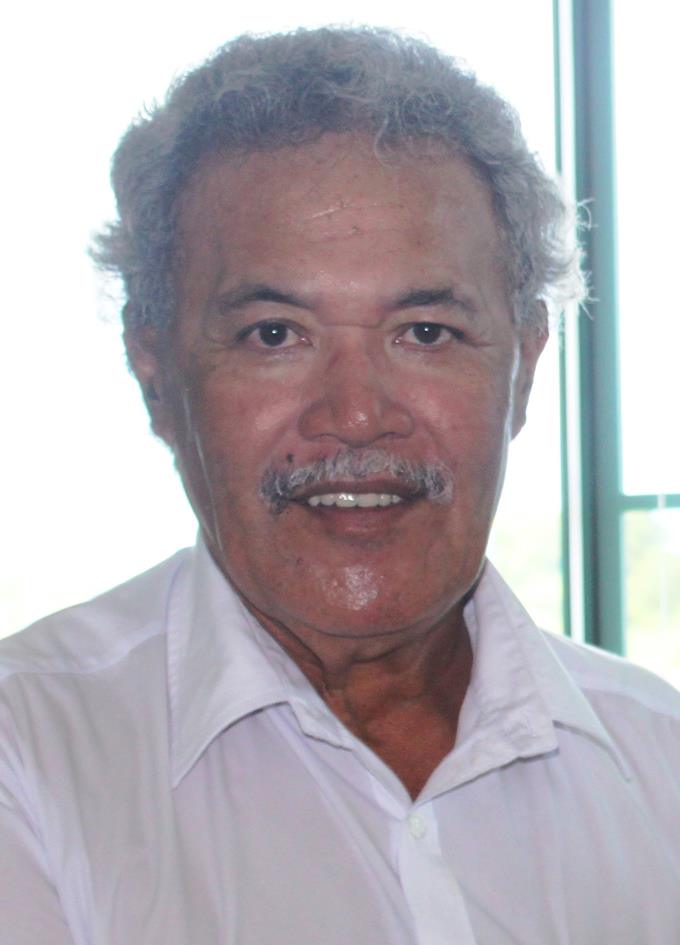


Selection and tenure
Under Tuvalu’s constitution, the prime minister must be a sitting member of Parliament. Members of Parliament choose the prime minister by secret ballot, and any MP may be nominated because Tuvalu does not have formal political parties. Once elected by the parliamentary membership, the successful candidate is formally sworn into office by the Governor‑General. The prime minister typically remains in office while they enjoy the confidence of Parliament and can be replaced by a subsequent parliamentary vote.
Powers and responsibilities
The prime minister heads the Cabinet and coordinates the work of government ministries. Key responsibilities commonly include advising the Governor‑General on ministerial appointments, setting government policy priorities, representing the government in parliamentary business, and directing the Cabinet agenda. In practice, the prime minister’s influence depends on the size of Parliament, personal support among MPs, and informal alliances.
- Leading the Cabinet and government policy formulation
- Choosing ministers and allocating portfolios (on the Governor‑General’s formal appointment)
- Answering to Parliament and maintaining its confidence
- Representing Tuvalu in domestic and international forums as head of government
History and development
The office of prime minister was established when Tuvalu became independent in 1978. Before independence, governance was shaped by colonial-era structures; independence created a domestic executive led by an elected prime minister. Over the decades the role has adapted to the realities of a small island state with a compact, unicameral legislature and close-knit political community.
Political context and notable facts
Because there are no formal political parties in Tuvalu, personal reputation, island affiliations and constituency relationships are central to forming and sustaining government. The small size of Parliament encourages consensus and informal negotiation; it also means changes of leadership can occur through shifts in support among a limited number of MPs. Several individuals who served as prime minister have later been appointed as Governor‑General, underscoring the overlap between senior political and ceremonial roles. For more general information on Tuvalu and its institutions, see Tuvalu.
Related articles
Author
AlegsaOnline.com Prime Minister of Tuvalu Leandro Alegsa
URL: https://en.alegsaonline.com/art/79119
Sources
- britannica.com : "Tuvalu: Year In Review 2001"