
Prime Minister of Tunisia
Head of Tunisia's government: role, powers, history and notable features of the office created in 1922 and evolved through protectorate, independence and modern constitutions.
The Prime Minister of Tunisia is the head of government responsible for directing the work of ministers and coordinating public policy. The office exists alongside the president and its powers have changed over time with different constitutions and political contexts. The title is sometimes rendered in French as chef du gouvernement tunisien.
Image gallery
10 Images


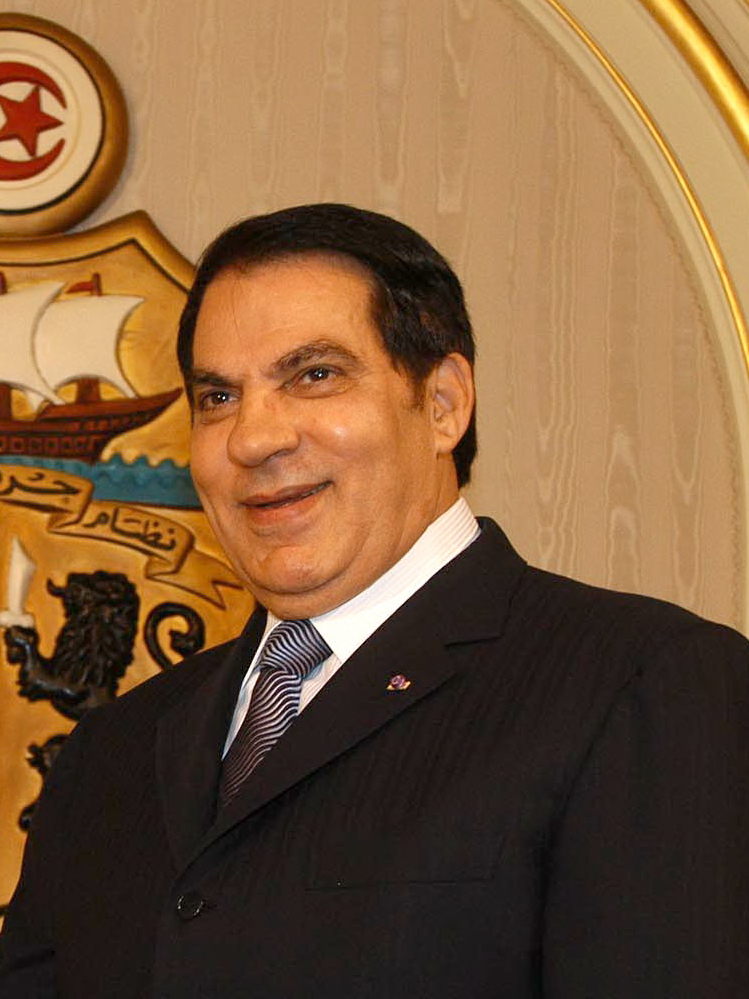


Overview
The prime minister leads the executive branch in day-to-day administration, proposes legislation, prepares the state budget and represents the government domestically and abroad. While the precise authority of the office depends on constitutional arrangements, the role typically includes chairing cabinet meetings, overseeing civil service operations and ensuring implementation of laws and decrees.
History and development
The office was first established in May 1922 during the Beylical era under the French protectorate; Mustapha Dinguizli is recorded as Tunisia's first prime minister. After independence in 1956 the position was retained but its importance and independence shifted with successive regimes, constitutional reforms and political crises. Changes in 2011 and later constitutional revisions rebalanced powers between the presidency, the assembly and the head of government.
Appointment and term
Appointment procedures vary by constitution. In modern practice a prime minister is normally appointed by the president, often drawn from the majority in the legislative assembly, and may require a confidence vote. Removal can occur through resignation, dismissal by the president or loss of parliamentary support, depending on constitutional rules in force at the time.
Functions and duties
- Forming and directing the cabinet and government policy.
- Preparing and implementing the budget and administrative measures.
- Coordinating between ministries and state institutions.
- Presenting bills to the legislature and executing the laws adopted.
For a chronological list of persons who have held the office, consult a dedicated roster such as the list of prime ministers. The office remains a central institution in Tunisian governance, shaped by historical legacies and ongoing constitutional debate.
Related articles
Author
AlegsaOnline.com Prime Minister of Tunisia Leandro Alegsa
URL: https://en.alegsaonline.com/art/79117