
Patrice Lumumba: Congolese independence leader and symbol of Pan‑Africanism
Patrice Lumumba (1925–1961) was the first democratically elected leader of the independent Congo, a nationalist and Pan‑Africanist whose short tenure and assassination shaped postcolonial Africa and Cold War policy.
Overview
Patrice Émery Lumumba was a Congolese politician who became the first democratically elected prime minister of the newly independent Republic of the Congo (Léopoldville) in 1960. Born on July 2, 1925 (1925), he rose from modest origins to lead the Mouvement National Congolais (MNC), articulating a strong program of national unity, economic control by Congolese people, and African dignity. His forceful rhetoric and insistence on rapid decolonization made him an emblematic figure for many Africans and for world opinion during the early Cold War.
Image gallery
10 Images



Early life and political rise
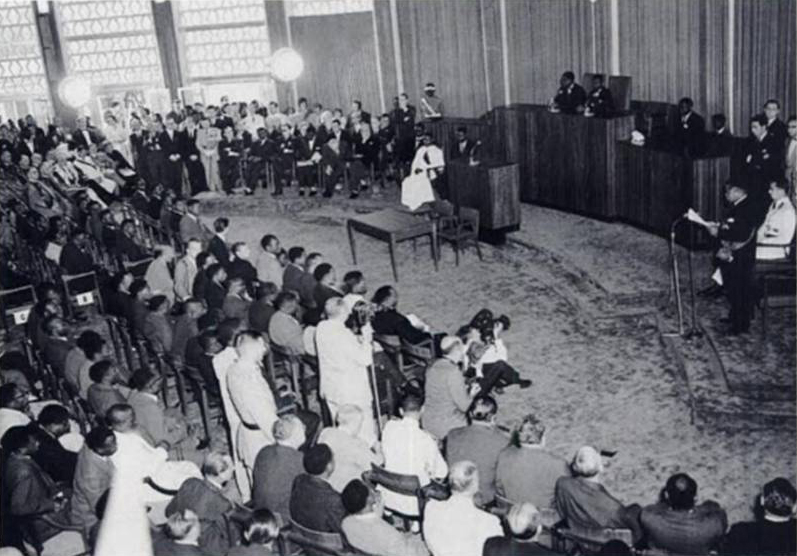
Lumumba worked in a variety of clerical and commercial jobs before entering politics. He helped found the MNC in 1958, a party that aimed to bring together diverse ethnic groups across the vast territory then under Belgian rule. His appeal derived from a mix of anti‑colonial nationalism, calls for social reform, and a belief in African sovereignty that rejected continued foreign control of political and economic life. During the independence campaign he became known for passionate public speeches and grassroots organization.
Prime ministership and the Congo Crisis
After independence in 1960, when the country formally broke from Belgium, Lumumba became prime minister while Joseph Kasa‑Vubu served as president. The new state quickly fractured: army mutinies, regional secessions—most notably the mineral‑rich province of Katanga—and Cold War rivalries produced a complex crisis. Lumumba appealed for assistance from the United Nations and sought support from a variety of partners to preserve central authority. The crisis intensified when Katanga proclaimed secession and its leader sought foreign backing, leading to violent confrontations and international interventions.
Arrest, assassination and international controversy
In the months that followed, Lumumba was removed from power, detained, and in January 1961 he was killed while in the custody of secessionist authorities in Katanga. His death shocked international public opinion and later investigations focused on the roles of domestic rivals and foreign powers. Declassified documents and official inquiries have shown that Belgian and other Western officials viewed Lumumba as a threat to their interests and considered covert measures against him; historians debate the extent and directness of foreign involvement. The exact circumstances of his killing and the fate of his remains have remained politically and emotionally charged for decades.
Legacy and significance
Lumumba's image endures as a symbol of anti‑colonial struggle and African independence. He influenced Pan‑Africanist thought and inspired activists across the continent and in the diaspora. His life is often cited in discussions of Cold War intervention in postcolonial states, the challenges of rapid decolonization, and the difficulties newly independent countries faced in asserting economic and political sovereignty. Members of his family, including his son François, have remained engaged in Congolese politics and in preserving his memory.
Key points and distinctions
- Dates: birth on July 2 and death in 1961 are commonly cited; the events of 1960–61 defined his political trajectory.
- Geography: the independent state he led is today the Democratic Republic of the Congo; it should not be confused with the neighbouring Republic of the Congo (Congo‑Kinshasa vs Congo‑Brazzaville).
- Movement: founder and leader of the MNC, a national party that sought to transcend ethnic divisions.
- Historical debate: scholars continue to study archival material and declassified records to better understand foreign involvement and the broader Cold War context.
Lumumba remains a central figure for those studying African nationalism, Cold War diplomacy in the Global South, and the legacies of colonial rule; his life and death continue to be the subject of books, films, and academic research. For more detailed archival materials and analyses, see contemporary collections and scholarly work that examine both Congolese sources and declassified documents from foreign governments.
Author
AlegsaOnline.com Patrice Lumumba: Congolese independence leader and symbol of Pan‑Africanism Leandro Alegsa
URL: https://en.alegsaonline.com/art/128092