
Prime Minister of the Philippines
Former head of government in the Philippines. The office appeared briefly in 1899 and more formally from 1978 until its abolition after the 1986 People Power Revolution.
The prime minister of the Philippines was the official head of government in particular historical periods, distinct from the country's head of state. The title in the national language is often rendered as Punong Ministro. The office has not been part of the contemporary constitutional framework but played a notable role during two separate episodes in the nation's political development.
Image gallery
10 Images


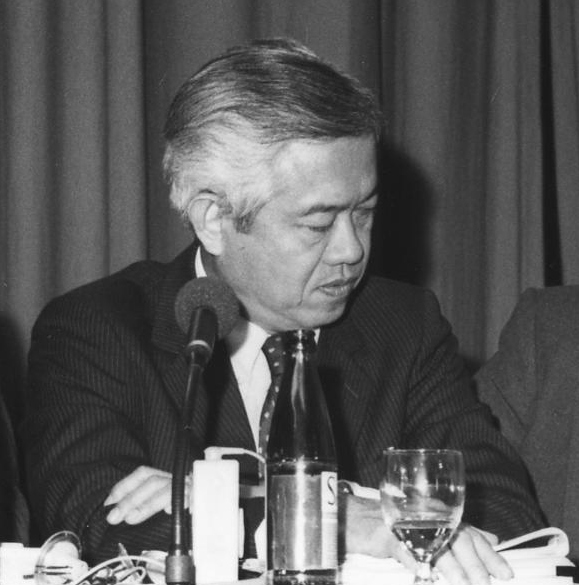


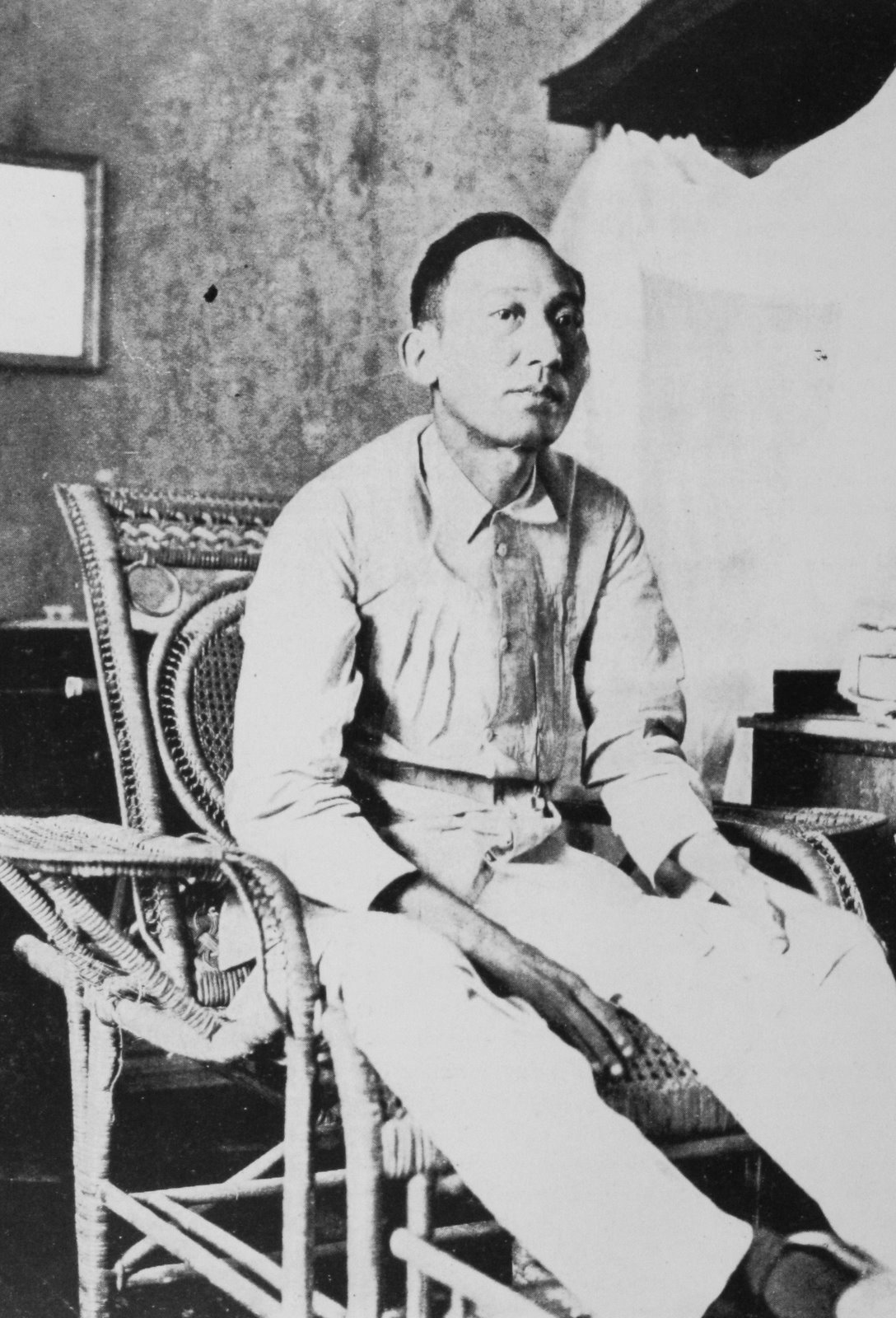


Role and characteristics
In systems that separate head of government and head of state, the prime minister typically leads the cabinet, directs government policy, and is accountable to the legislature. In the Philippine cases, however, the powers attached to the prime minister varied with the constitution and the balance of power held by the president. Key features included:
- Coordination and supervision of executive departments and the cabinet;
- Responsibility for domestic policy and government administration;
- Dependence on statutory law, constitutional provisions, and political context for scope and limits of authority;
- A contrast with the President of the Philippines, who functioned as head of state in the same political arrangements.
Historical development
A limited version of a prime ministerial post appeared briefly in 1899 during the First Philippine Republic; that early experiment reflected the fluid institutional arrangements of the revolutionary period. The position was later recreated in a different form during the late 20th century. Under constitutional and statutory changes, the government structure shifted toward a parliamentary-style arrangement that produced a distinct office of prime minister beginning in the late 1970s.
From that later period until 1986 the prime minister served alongside a president who remained a dominant political figure. The practical authority of the prime minister depended on the political realities of the time; in some years the office was held by senior officials or technocrats who administered daily government business while the president retained overarching control.
Abolition and legacy
The office ceased to exist after the nationwide upheaval known as the People Power Revolution, which led to a return to a stronger presidential system and the adoption of a new constitution that did not retain a prime ministerial post. The position therefore remains a historical institution associated with particular constitutional arrangements rather than a continuing element of governance in the Philippines.
Debates about parliamentary versus presidential government recur periodically in public discussions. Proposals to revive some form of prime-ministerial leadership surface from time to time, but any change would require broad constitutional reform. For further context about terms and institutions, consult introductory resources on Philippine political structures and modern constitutional history.
Related articles
Author
AlegsaOnline.com Prime Minister of the Philippines Leandro Alegsa
URL: https://en.alegsaonline.com/art/79113
Sources
- books.google.com : Politics in Southeast Asia: Democracy or Less
- books.google.com : Ferdinand Marcos and the Philippines: the Political Economy of Authoritarianism
- name.umdl.umich.edu : The Laws of the First Philippine Republic (The Laws of Malolos), 1898-1899
- books.google.com : Arc of Empire: America's Wars in Asia from the Philippines to Vietnam
- quod.lib.umich.edu : The Development of Philippine Politics