
Pressurized Water Reactor (PWR)
A pressurized water reactor (PWR) uses high-pressure water to remove heat from a nuclear core and transfer it to a secondary steam system that drives turbines for electricity or propulsion.
Overview
A pressurized water reactor (PWR) is a common type of light-water nuclear reactor in which liquid water serves as both coolant and neutron moderator. In a PWR the coolant is kept under sufficiently high pressure to prevent boiling in the reactor core while it absorbs heat produced by atomic fission. Heat from the primary circuit is carried to a separate loop, so the steam that drives the turbines does not directly contact the irradiated primary coolant. PWRs constitute the majority of commercial nuclear power stations worldwide; this long record of use underpins much of their design practice and regulation (global prevalence).
Image gallery
6 Images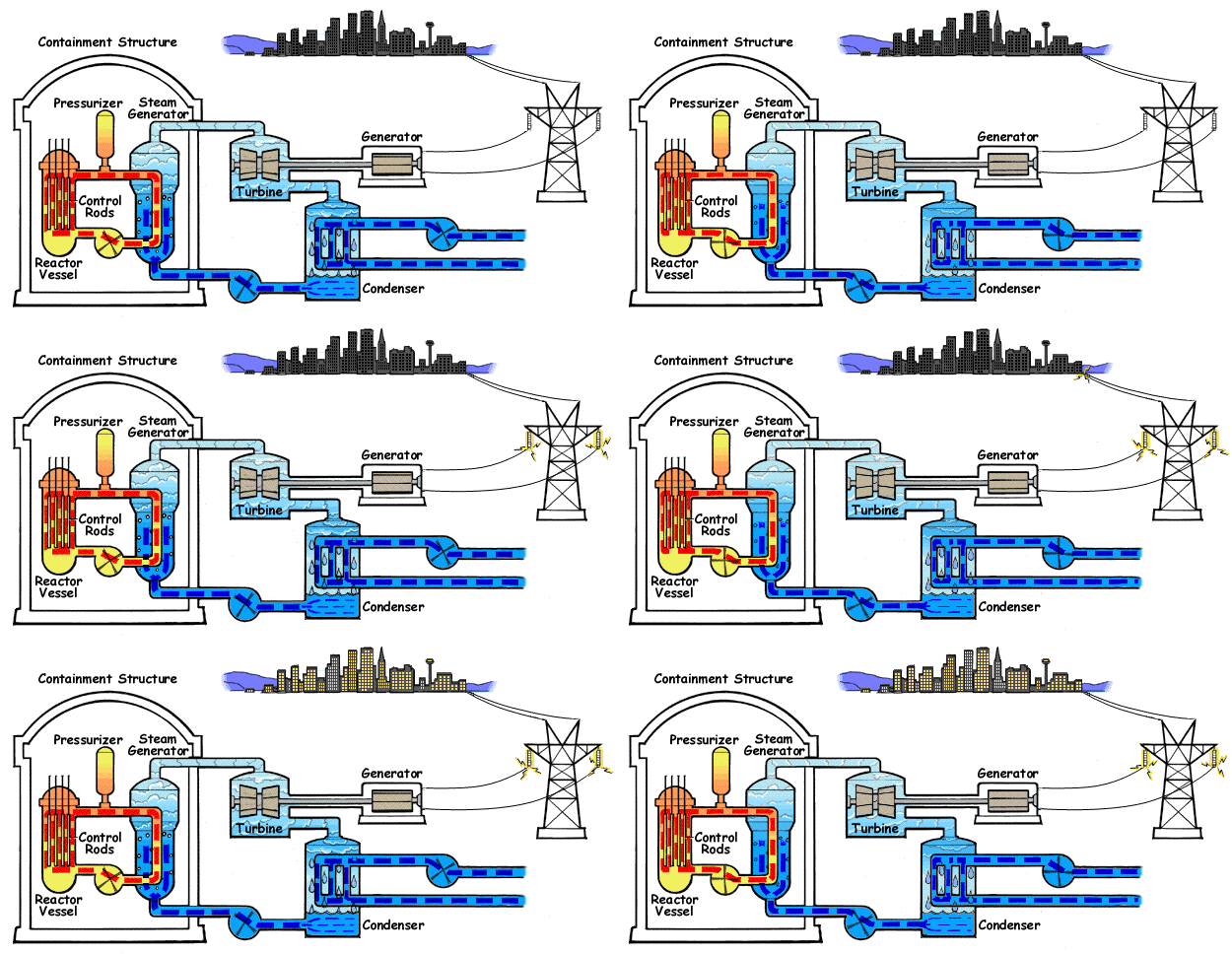


Principal components and how it works
Key elements of a PWR include a reactor pressure vessel containing the fuel and core structures, control rods that regulate the chain reaction, a pressurizer that maintains system pressure, and heat exchangers called steam generators that transfer energy into a secondary loop. The primary coolant—ordinary light water—flows through the core where it picks up heat, then passes through the steam generator. In the steam generator the primary water gives up heat to a separate body of water that turns into steam; that steam then flows to the turbine (turbine) and generator arrangement. Spent steam is condensed and returned as feedwater for reuse.
Characteristics and distinguishing features
- Closed primary pressure loop: high pressure prevents boiling inside the core and keeps radioactivity confined to the primary circuit.
- Two-loop thermal cycle: primary (radioactive) and secondary (non-radioactive) circuits are separated by a steam generator.
- Light water as moderator: ordinary water both cools and slows neutrons, affecting reactor physics (moderator role).
- Fuel assemblies and control rods: standardized bundles of uranium fuel clad in corrosion-resistant metal enable core configuration and refueling.
Safety features and operational practices
PWR designs rely on multiple physical and engineered barriers to prevent the release of radioactivity: fuel cladding, the primary circuit, and a robust containment structure. Control systems and emergency core cooling systems are in place to shut down and cool the core under abnormal conditions. The thermal and neutronic behaviour of most PWRs tends to include negative reactivity feedbacks—changes in temperature and moderator density that reduce power if conditions depart from nominal—providing an inherent stabilizing effect. Regulatory oversight, periodic inspections and operator training are central to safe operation.
History, development and notable examples
The PWR concept evolved from early naval reactor designs developed for submarines and surface ships and was adapted for civilian power production in the mid-20th century. Design families from several suppliers have been built around the world; cumulative experience has driven incremental safety and efficiency improvements. The PWR design was involved in some well-known incidents that shaped reactor safety practices, most notably the partial core-melt event at Three Mile Island in 1979, which led to extensive procedural and regulatory reforms. PWRs contrast with boiling water reactors (BWRs), heavy-water designs and gas-cooled types in both operating principles and component layout.
Uses, advantages and limitations
PWRs are used primarily for baseload electricity generation and for naval propulsion on submarines and aircraft carriers. Advantages include a mature technology base, predictable operational characteristics and the benefit of a secondary steam loop that limits radioactive contamination of turbine equipment. Limitations include the need for high-strength pressure vessels and associated systems that must withstand sustained high pressure, and complexity in plant systems and maintenance. Continued development focuses on improved safety systems, fuel performance and lifecycle economics.
For further technical summaries, manufacturer information, regulatory guidance and educational resources, see linked materials and standards from authoritative bodies via the references provided: overview sources, coolant details, fission fundamentals, steam generator design, turbine systems, and moderation concepts.
Related articles
Author
AlegsaOnline.com Pressurized Water Reactor (PWR) Leandro Alegsa
URL: https://en.alegsaonline.com/art/78948