
President of Serbia
The President of Serbia is the republic's head of state, elected by popular vote. The office combines ceremonial duties with defined constitutional powers, foreign representation, and limited executive responsibilities.
The President of Serbia serves as the republic's head of state and as a chief representative of the Republic of Serbia abroad. The role combines symbolic functions with constitutionally granted authorities. In modern Serbia the office is separate from the head of government (the prime minister) and is filled by direct popular election.
Image gallery
10 Images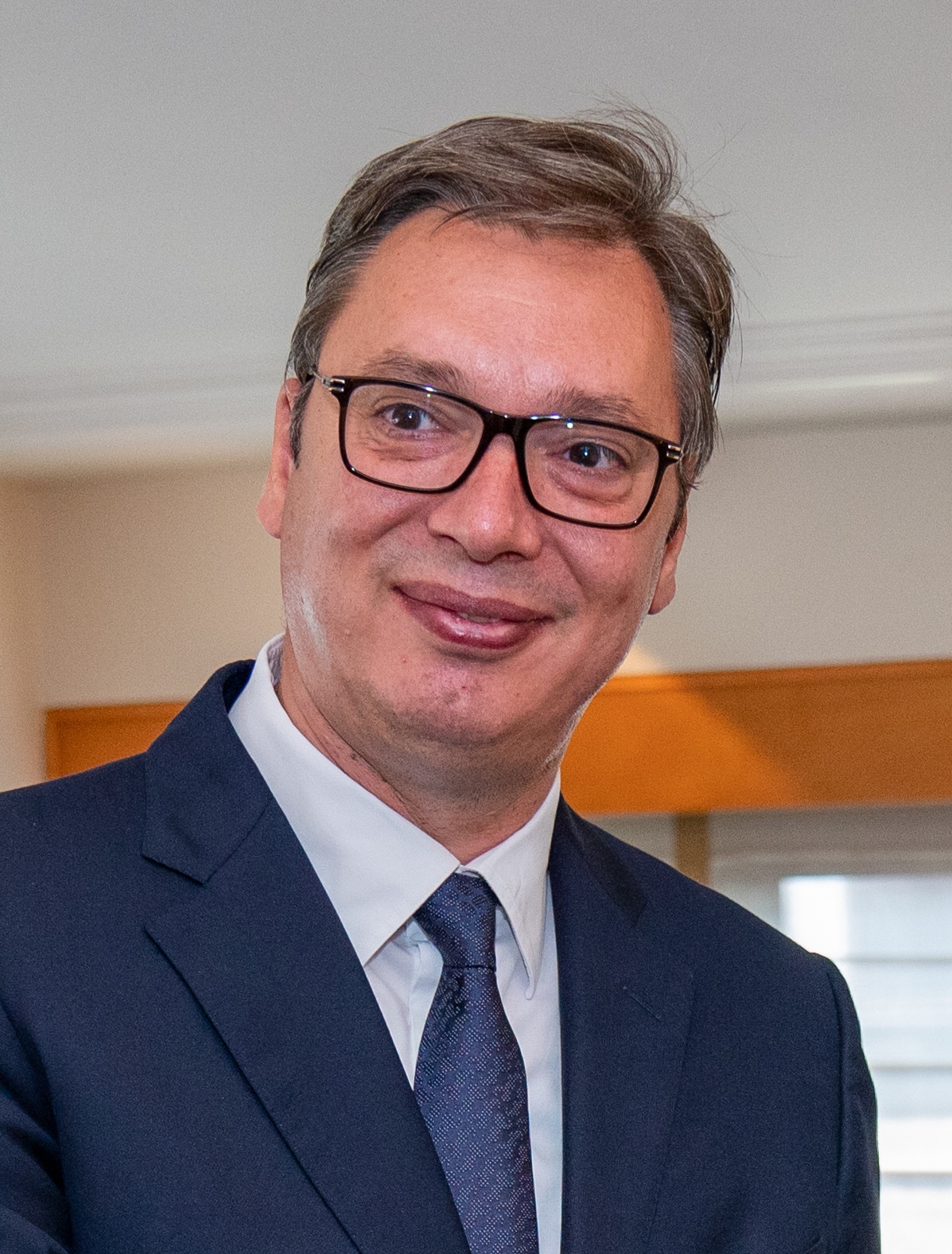




Role and powers
The president has duties set out by the constitution and by statute. These include representing Serbia internationally, promulgating laws, and exercising certain appointment powers. While much of day-to-day governance is handled by the government and parliament, the president retains several important formal responsibilities:
- Receiving and accrediting diplomatic representatives and conducting state visits.
- Promulgating laws and, where applicable, returning them to parliament for reconsideration.
- Serving as commander-in-chief of the armed forces in constitutional terms.
- Granting pardons and bestowing state honors.
- Appointing or proposing appointments for certain offices in accordance with parliamentary procedures.
Selection, term and qualifications
Presidents of Serbia are elected by direct popular vote for a fixed term; the length of a single term is set by law. Candidates must meet age and citizenship requirements specified in the constitution and election laws. Elections can be competitive and often require a runoff if no candidate achieves the threshold for an outright first-round victory. The office is limited to a prescribed number of consecutive terms to ensure periodic turnover.
Historical background
Historically, the territory of Serbia was ruled by monarchs for centuries: the head of state was once a King in the pre-20th-century period. During the 20th century, with the creation and later breakup of Yugoslavia, the form and title of the country's head of state changed several times. The present republican presidency reflects the post-Yugoslav constitutional framework that established Serbia as a parliamentary republic with a directly elected president.
Notable recent presidents
In the contemporary era several presidents have shaped the public perception of the office. Boris Tadić was re-elected in 2008, Tomislav Nikolić won the presidential vote in 2012, and Aleksandar Vučić has served as president since his first election victory in 2017; Vučić is the current incumbent and a prominent political figure in Serbia (Aleksandar Vučić).
Significance and distinctions
The Serbian presidency combines ceremonial visibility with constitutional checks and privileges. Its influence depends on the political context and the officeholder's relationship with the parliament and government. The distinction between head of state and head of government is important: the president represents national unity and continuity, while executive policymaking is primarily the responsibility of the government led by the prime minister.
For more detailed legal provisions, election rules and the president's formal powers, consult official constitutional texts and authoritative government sources that define the office's current remit.
Related articles
Author
AlegsaOnline.com President of Serbia Leandro Alegsa
URL: https://en.alegsaonline.com/art/78868
Sources
- srbija.gov.rs : Web site of the Serbian Government