
President of South Korea
Head of state and chief executive of the Republic of Korea, directly elected to a single five-year term; commander-in-chief with defined constitutional powers, checks, and a modern origin after 1948.
The President of the Republic of Korea is the nation's head of state and chief executive, serving as commander-in-chief of the armed forces and the principal representative in foreign affairs. The office is formally referred to in Hangul, Hanja and by romanization (RR). The presidential residence and main executive office is commonly known as Cheong Wa Dae, or the Blue House, which hosts many official ceremonies and meetings.
Image gallery
10 Images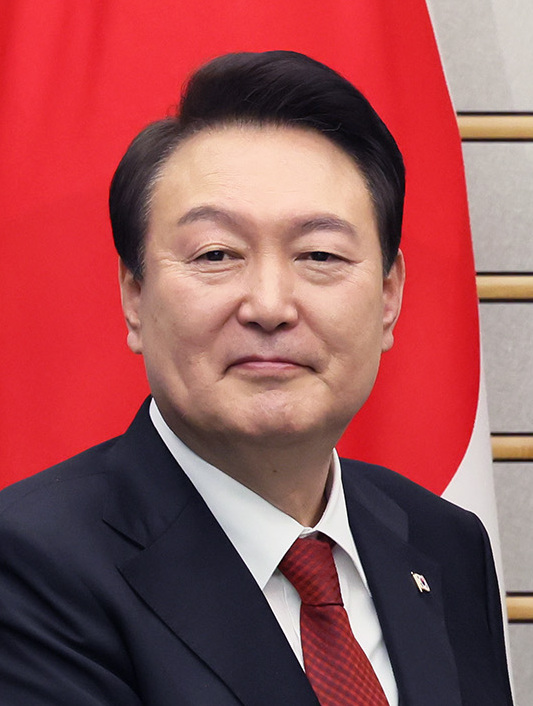


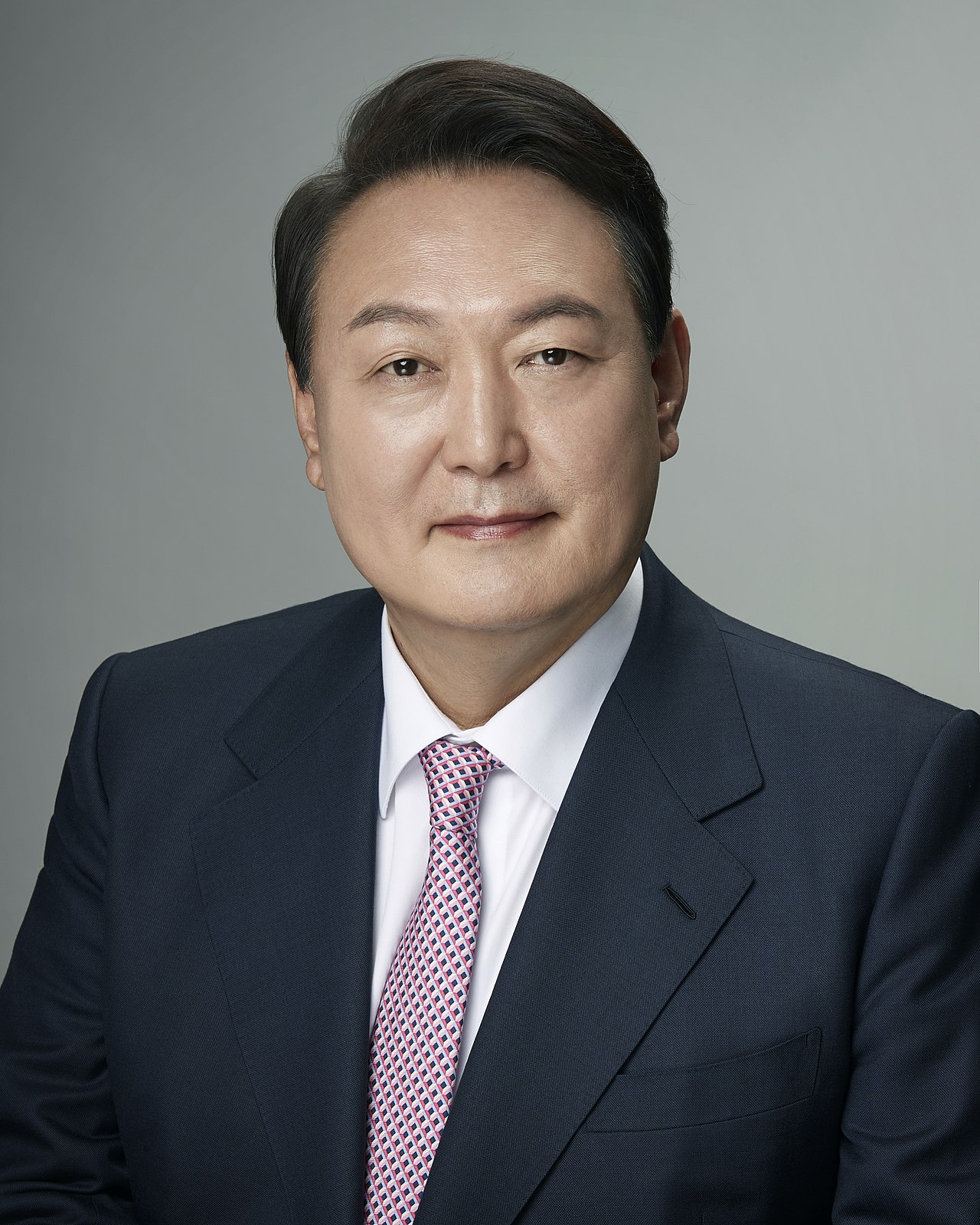


Election, term and succession
The president is chosen by direct popular vote and serves a single five-year term with no possibility of re-election. This restriction is intended to prevent the concentration of power in one individual. If the incumbent is incapacitated, resigns, or is removed, the constitution provides for temporary succession measures so that an acting head of state assumes duties until a new president is elected or the incumbent can resume office.
Key functions and powers
As the chief executive, the president's responsibilities combine symbolic and practical authority. Typical powers and duties include:
- Directing national defense and serving as commander-in-chief of the armed forces.
- Setting broad domestic and foreign policy priorities and representing the country abroad.
- Appointing the prime minister and cabinet ministers, usually with legislative consent for certain posts.
- Proposing legislation and the national budget, and exercising veto power over bills passed by the legislature.
Many of these powers are balanced by the National Assembly and judicial institutions. For example, while the president can veto legislation, the legislature can override that veto under constitutional procedures. The Assembly also has authority over budgets, legislation, and oversight of the executive.
Checks, oversight and removal
South Korea's constitutional system provides several mechanisms to check presidential authority. The National Assembly exercises oversight through hearings, investigations, and the power to impeach. If the Assembly passes impeachment, a constitutional court or equivalent judicial body reviews the case and may confirm removal. These institutions have been central in enforcing accountability in high-profile political controversies.
Origins and modern development
The office of the president was established with the founding of the modern Republic of Korea in the late 1940s. Since then, the role has evolved through constitutional revisions, changes in the balance of power among branches of government, and democratic reforms. The single five-year term is one distinctive feature of the contemporary office, designed to limit long-term incumbency while providing a clear interval for political renewal.
Because the president combines ceremonial, executive and military responsibilities, the position is one of the most prominent and closely watched political offices in South Korea. Its holders have had major influence on the country's economic policy, diplomatic orientation, and responses to security challenges.
Related articles
Author
AlegsaOnline.com President of South Korea Leandro Alegsa
URL: https://en.alegsaonline.com/art/78875
Sources
- theguardian.com : "Who is Moon Jae-in, South Korea's new president?"
- worldcat.org : 0261-3077
- nytimes.com : "South Korea Elects Moon Jae-in, Who Backs Talks With North, as President"
- worldcat.org : 0362-4331