
President of Slovenia
The President of Slovenia is the country's head of state, created by the 1991 constitution. The office is largely representative but retains specific constitutional powers in diplomacy, defence and law.
The President of Slovenia is the republic's head of state and a constitutional office established on 23 December 1991, when the newly independent country adopted its constitution. In Slovene the title is Predsednik Republike Slovenije. The president serves as the symbolic representative of the nation, both domestically and abroad, and occupies a position distinct from the head of government and the legislature.
Image gallery
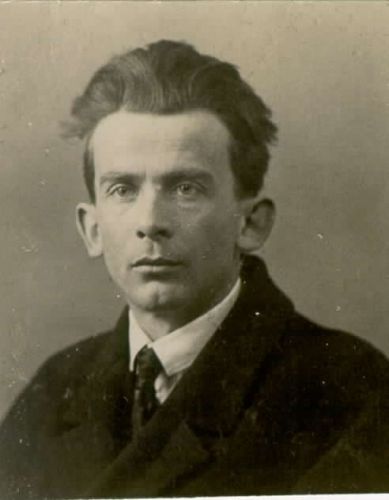
10 Images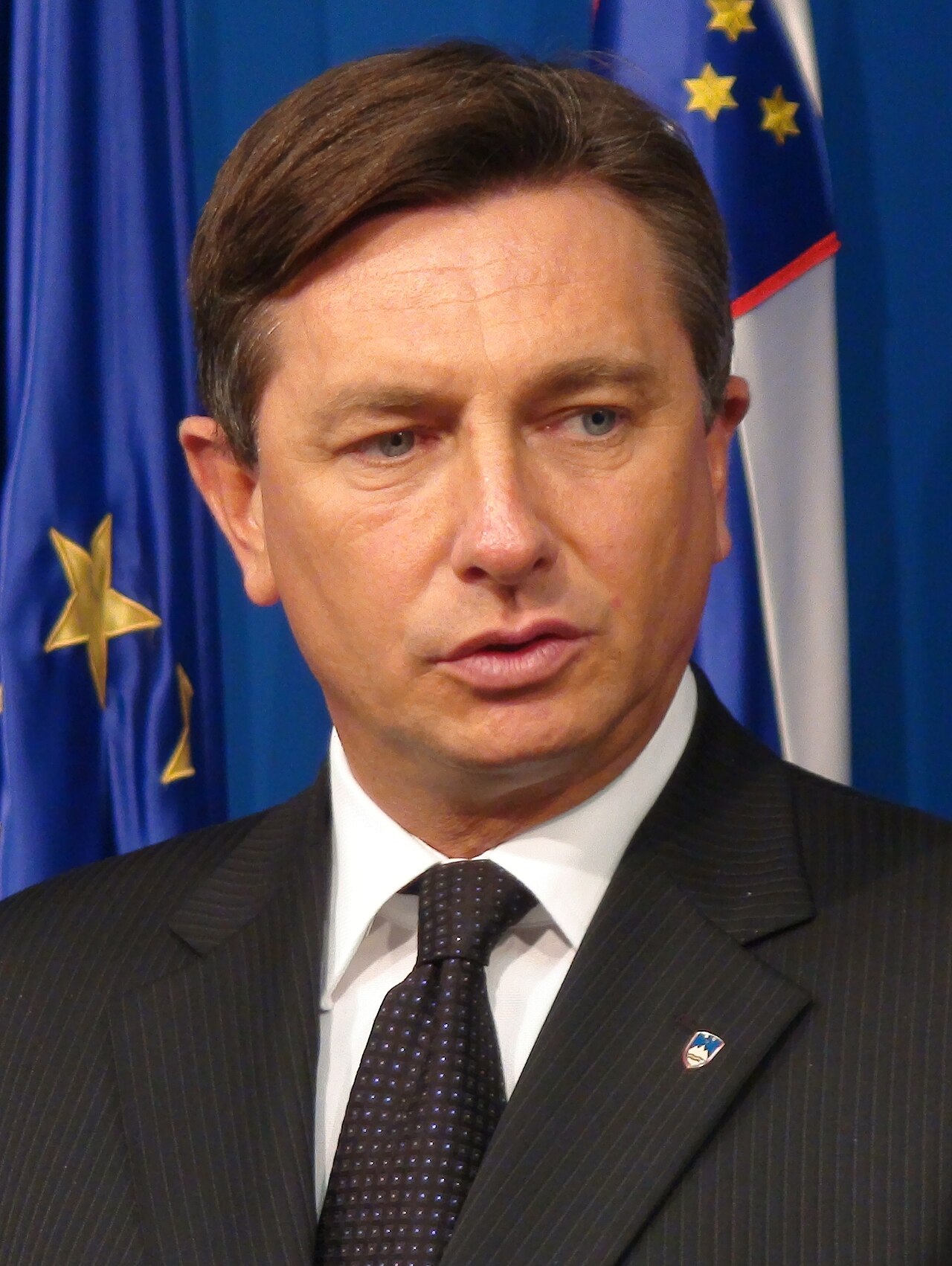




Powers and duties
Although the Slovenian presidency is often described as mostly ceremonial, the constitution assigns a set of formal responsibilities and limited discretionary powers. Typical functions include representing Slovenia in international relations, accrediting and receiving diplomatic envoys, and acting as commander-in-chief of the armed forces. The president also participates in constitutional procedures, such as promulgating laws, granting pardons, and nominating or proposing candidates for certain offices when required by the constitution or statute.
Election, term and eligibility
The president is chosen by popular vote, using a two-round system if no candidate obtains an absolute majority in the first ballot. The term of office is five years, and a president may serve a limited number of terms as defined in the constitution. The election process is designed to provide democratic legitimacy while placing executive government authority mainly with the prime minister and the National Assembly.
Relationship with other institutions
The presidency coexists with the parliamentary system: executive power is carried out by the government led by the prime minister, while the National Assembly exercises legislative authority. The president's role is complementary, providing checks, continuity and international representation rather than day-to-day governance. In crises or matters of national defence the president may exercise greater influence, often in consultation with elected political leaders and institutions.
History and development
The office was created at the moment of Slovenia's independence from the Socialist Federal Republic of Yugoslavia (SFR Yugoslavia) and the adoption of the 1991 constitution. The inaugural holder of the presidency after independence set precedents for the balance between ceremonial functions and constitutional powers. Over time the practical influence of the presidency has depended on the personalities of officeholders and the political context, with some presidents taking a more active public role and others remaining primarily symbolic.
Notable aspects and further reading
- The office represents national unity and continuity, especially during state ceremonies and foreign visits.
- The president has formal tasks in the legislative process, such as promulgation and, in some cases, referring laws back for reconsideration.
- For official information about incumbents, constitutional text and the president's current activities, see the Presidency site and the National Assembly: Presidency, National Assembly.
Understanding the President of Slovenia requires seeing the office within a parliamentary republic: it blends ceremonial prominence with constitutionally defined functions that supplement, rather than supplant, the authority of the elected government and legislature.
Related articles
Author
AlegsaOnline.com President of Slovenia Leandro Alegsa
URL: https://en.alegsaonline.com/art/78872