
President of South Africa
The President of South Africa is the country's head of state and head of government. This article explains the office's constitutional basis, powers, election process, history, and notable holders since 1994.
Overview
The President of the Republic of South Africa serves as both the head of state and the head of government under the post-apartheid Constitution. The office combines symbolic representation of the nation with day-to-day executive authority. The president leads the national executive branch, sets policy direction through the Cabinet and represents South Africa in international affairs.
Image gallery
6 Images




Powers and responsibilities
The constitution vests a range of executive powers in the president. In practice these include appointing and dismissing Cabinet ministers, signing or referring legislation, directing national policy, and making senior public appointments. The president is also the civilian authority over the national defence force and is responsible for receiving foreign diplomats and conducting state visits.
- Appoint and preside over the Cabinet and chairs its meetings.
- Sign bills into law or send them to the Constitutional Court for review if there are constitutional concerns.
- Make key judicial and public-service appointments, often on the advice of independent commissions.
- Act as the primary international representative of South Africa.
Selection, term and removal
The president is chosen by the National Assembly, usually from among its members, following a general election or when a vacancy arises. The post carries a five-year term, and the constitution limits any person to two terms in office. Removal is possible through a parliamentary vote of no confidence or by impeachment for serious violations of the constitution or the law. Provisions exist for an acting president if the incumbent is temporarily unable to perform duties.
History and development of the office
The title and powers attached to South Africa's head of state have changed over time. Between 1961 and 1994 the head of state was known as the State President. Earlier, under the monarchy and Union arrangements, the governor-general served as the Crown's representative. The 1983 constitution merged the roles of head of state and head of government into a strengthened executive; later constitutional reforms culminating in the 1993 interim constitution and the final 1996 Constitution established the current structure with clear term limits and checks and balances.
Notable officeholders since 1994
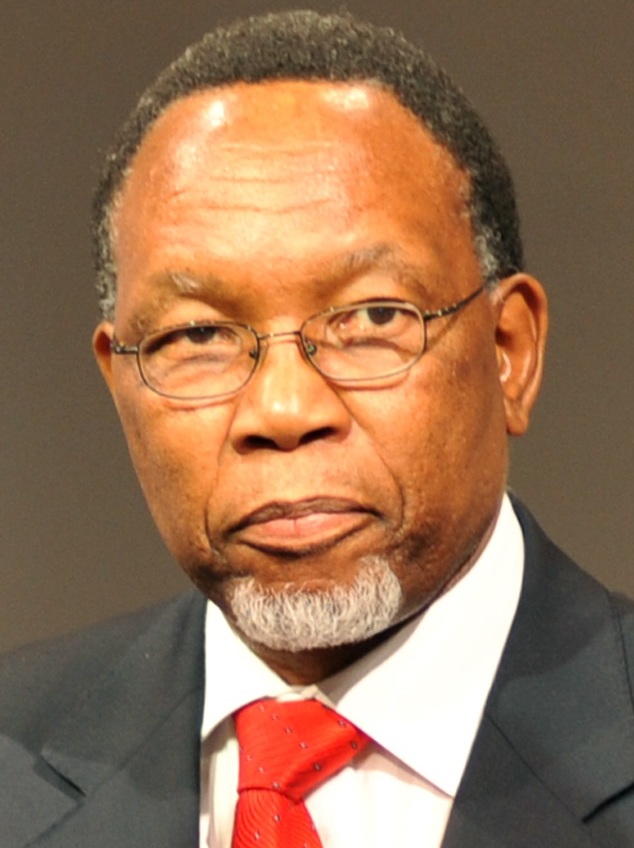
The first president elected under the new democratic constitution was Nelson Mandela, who assumed office in 1994 and played a central role in national reconciliation. His successors have included Thabo Mbeki, Kgalema Motlanthe, Jacob Zuma and the current incumbent, Cyril Ramaphosa. Each has navigated different challenges—economic reform, social policy, corruption inquiries and international diplomacy—illustrating how the presidency shapes South Africa's direction.
Role and significance
The South African presidency is a unitary executive model in a constitutional parliamentary republic. Unlike systems that separate ceremonial heads of state from heads of government, this office concentrates representative and executive duties in a single person, accountable to the legislature. That design aims to provide clear leadership while remaining subject to constitutional constraints, judicial review and parliamentary oversight.
For more detailed constitutional text and official descriptions, consult primary legal sources and government publications that outline the president's functions and limits.
Related articles
Author
AlegsaOnline.com President of South Africa Leandro Alegsa
URL: https://en.alegsaonline.com/art/78874