
President of Sri Lanka
The President of Sri Lanka is the republic's head of state and government and commander-in-chief. The office, established in 1972 and made executive in 1978, holds broad constitutional powers shaped by later amendments.
The President of the Democratic Socialist Republic of Sri Lanka (Sinhala: ශ්රී ලංකා ජනාධිපති; Tamil: இலங்கை சனாதிபதி) is the republic's highest constitutional office. The president serves as both the official head of state and, in practice, the head of government and commander-in-chief of the armed forces. The presidency is the single most prominent political post in Sri Lanka, concentrating responsibilities that shape domestic policy, national security and external relations.
Image gallery
10 Images


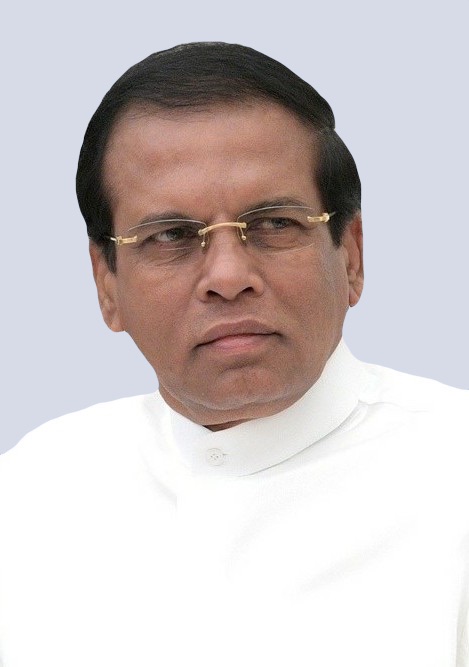


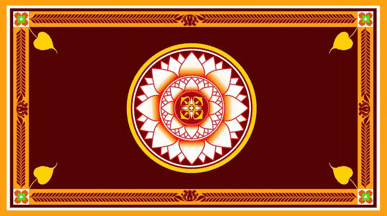

Powers and responsibilities
The president's authority is defined by the constitution and subsequent amendments. Typical functions include:
- Exercising executive power and directing general government policy, often through appointment and leadership of the cabinet.
- Appointing the prime minister, cabinet ministers, provincial governors and key civil officials, subject to constitutional constraints.
- Serving as commander-in-chief of the armed forces and overseeing defense and national security decisions.
- Representing the country in foreign affairs, signing treaties and receiving foreign envoys.
- Exercising powers related to pardons, clemency and emergency declarations when permitted by law.
Election, term and constitutional change
The president is elected by popular vote. The details of term length, eligibility and limits have changed several times through constitutional amendments, which have also adjusted the balance between presidential authority and parliamentary oversight. Over the decades, reforms have alternately expanded and curtailed presidential powers, reflecting political debate about concentration of authority versus effective governance. The office's relationship with the prime minister and parliament depends on the prevailing constitutional text.
Origins and historical development
The office originated when Sri Lanka became a republic in 1972, replacing the former ceremonial head of state role. A 1978 constitutional reform transformed the post into an executive presidency, concentrating executive responsibilities previously exercised by the prime minister and cabinet. Subsequent political developments and amendments have continued to reshape the presidency's scope, often in response to changing expectations about accountability and stability.
Succession, significance and notable features
If the presidency becomes vacant, the constitution provides for interim arrangements in which the prime minister or another designated official assumes duties until an election can be held. The presidency's prominence makes it central to debates about governance, checks and balances, and democratic reform. Observers note that the office's effectiveness and public legitimacy rely on transparent institutions, constitutional safeguards and the electoral process. For more detailed constitutional text and institutional background, see discussions of the office as head of state and head of government in official sources and analyses (head of state, head of government).
Related articles
Author
AlegsaOnline.com President of Sri Lanka Leandro Alegsa
URL: https://en.alegsaonline.com/art/78876
Sources
- colombotelegraph.com : "President Justifies Rs 180 M Budget For Repairs His Residence"
- ft.lk : "PM makes mockery of MR privileges claims"
- roar.media : "Of Ministers' Salaries And Parliamentary Perks"
- parliament.lk : "Heads of State"
- cnn.com : "Former Sri Lanka president dies, leaves mixed legacy"