
Salat (Islamic ritual prayer)
Salat, also called namaz, is the formal Muslim prayer performed at prescribed times daily; it combines set recitations, physical postures, and ritual purification and is central to Islamic worship.
Overview
Salat (Arabic: صلاة)—commonly known in some languages as namaz (نماز)—is the canonical ritual prayer in Islam. It is an act of worship involving fixed words and gestures intended to cultivate remembrance of God and discipline. Salat is widely recognized as one of the core duties of a practicing Muslim and is usually described alongside other obligatory practices in discussions of the Five Pillars.
Image gallery
10 Images




Structure and essential elements
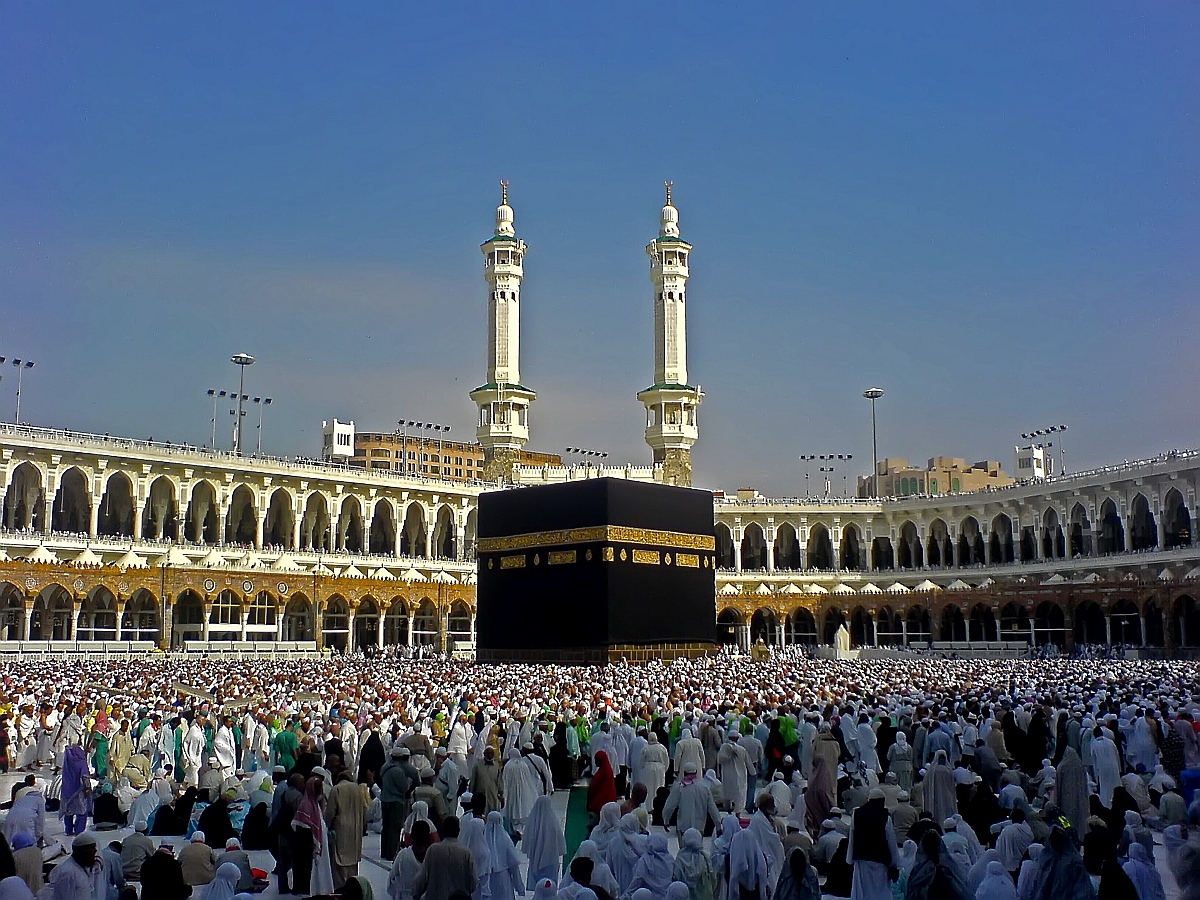
Each salat session consists of a sequence of physical postures and recitations performed facing the Kaaba in Mecca (the qibla). The practice typically begins after establishing ritual purity through ablution, known as wuḍūʾ. While local customs vary, the formal components include standing, bowing, prostrating, and sitting, combined with prescribed Qurʾanic verses and supplications.
- Conditions for valid prayer: intention (niyyah), ritual purity, covering of the body, and facing the qibla.
- Typical postures: standing (qiyam), bowing (rukuʿ), prostration (sujood), and sitting (tashahhud).
- Units and structure: prayers are built from units called rakʿahs, each containing a set sequence of recitation and movement.
Daily schedule and varieties
Muslims normally perform five obligatory prayers at set periods across the day: dawn, midday, mid-afternoon, sunset, and evening. In addition to these, many observe additional voluntary prayers—such as Sunnah, Nafl, Tarawih (during Ramadan), and special festival prayers—while communal Friday prayer (Jumuʿah) holds particular social and liturgical importance.
History and development
The ritual of salat developed in the early centuries of Islam. Its verbal and physical elements derive from the Qurʾan and reports about the Prophet’s practice; over time legal schools codified details such as timings, the number of units, and rules for exceptions. While the essence of prayer is shared across Muslim communities, practical variations exist between different jurisprudential traditions and cultures.
Significance and variations
Beyond its formal role, salat functions as a rhythm of daily life, a means of communal cohesion, and a personal discipline. Differences in wording, sequence, or timing are generally matters of jurisprudence and local custom; some communities combine certain prayers under specific circumstances, and allowances are made for travelers, the ill, or others unable to perform the full ritual. For further general reading on terminology and practice see prayer resources and introductory material on Arabic terms or the Persian usage namaz.
Practical notes
Learning salat typically involves instruction in pronunciation, movements, and timings, and many beginners use community classes or guides to practice. While the ritual has strict requirements, its intent is to provide regular moments of reflection and connection; historical sources and diverse legal writings offer further detail for those seeking in-depth study.
Related articles
Author
AlegsaOnline.com Salat (Islamic ritual prayer) Leandro Alegsa
URL: https://en.alegsaonline.com/art/86409