
Predestination (theological doctrine)
Predestination: the theological idea that God relates to time and human choice by ordering or foreknowing destinies. Overview of meanings, historical development, major views, and theological implications.
Overview
Predestination is a religious idea concerned with how God and human destiny relate. In its broadest sense it refers to the belief that God has foreordained or foreknown key events in creation and human life, especially matters of moral status and final destiny. Predestination is distinct from secular notions of determinism and from everyday debates about free will, because it roots the outcome in divine purpose or knowledge rather than only natural causes. Different traditions and theologians emphasize different aspects: divine decree, foreknowledge, election, or the interplay of grace and human response. The topic often centers on questions about salvation, how God calls or chooses people, and the moral consequences of that choice.
Image gallery
4 Images


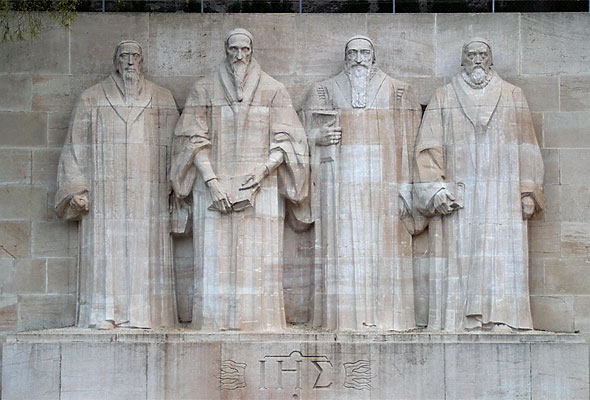
Key characteristics and terms
Good accounts of predestination distinguish several concepts that are sometimes conflated:
- Foreknowledge: God’s knowing future events; for some this implies a relationship to human choices.
- Election: God’s choice of certain persons or groups for a particular role or destiny.
- Decree or foreordination: The idea that God actively determines what will occur.
- Double vs. single predestination: Some traditions argue God elects some to salvation and permits or wills condemnation of others; others affirm election without asserting a positive divine will to damn.
Historical development
Theological reflection on predestination has a long history. Early Christian writers wrestled with how to reconcile God’s sovereignty and human responsibility. Augustine of Hippo was influential in arguing that divine grace precedes and enables salvation, a stance that shaped later Western theology. In the Reformation era, figures such as John Calvin articulated robust doctrines of election stressing God’s sovereign choice. Councils and later theologians refined and contested these views; for example, medieval Scholastics and later Thomists proposed nuanced accounts of grace and freedom, while Arminian reactions in the 17th century emphasized conditional election tied to foreseen faith. Other religious traditions have analogous concepts: for instance, in Islam discussions on God and divine decree, and in Judaism streams of thought address divine providence and human responsibility.
Major theological positions
- Calvinism: Affirms unconditional election and stresses God’s initiative in salvation; sometimes described as endorsing double predestination in classical formulations.
- Arminianism: Emphasizes conditional election based on God’s foreknowledge of human response and upholds meaningful human freedom.
- Molinism: Proposes that God’s ‘‘middle knowledge’’ knows what free creatures would do in any circumstance and thus can sovereignly order outcomes without destroying freedom.
- Thomism: Classical Catholic positions often emphasize God’s causality while attempting to preserve human liberty through distinctions like primary and secondary causation.
- Open theism and process approaches: More recent views question traditional notions of exhaustive divine foreknowledge to preserve dynamic relationship with creation.
Theological and pastoral issues
Predestination raises practical and pastoral questions. Supporters often argue it provides assurance—comfort in trusting God’s purposes—and explains the primacy of grace in salvation. Critics worry it can undermine moral responsibility, evangelistic urgency, or pastoral sensitivity to suffering. Many theologians therefore try to balance God’s sovereignty with human accountability, sometimes calling attention to scriptural passages that speak both of divine choosing and of calls to repentance and faith. Debates also engage biblical interpretation: passages in Romans and Ephesians are frequently cited, but their meaning is contested.
Distinctions and notable facts
Predestination should be distinguished from purely philosophical determinism or fatalism: the former is specifically theological and centers on God’s relation to time and persons, not merely mechanical causation. Its expression varies widely by tradition and era—what one community calls predestination may differ significantly from another’s teaching. Historically influential figures connected to the doctrine include Augustine and later John Calvin, while councils and theologians across Christian history have offered corrective or alternative emphases. The topic also intersects with questions about creation, human nature, how sin functions in the world (often discussed in relation to sins), and the meaning of divine action in time (see debates about God’s act in creation and providence).
For further reading and denominational summaries consult resources categorized under the term religious concept or studies on salvation. Comparative treatments can also be found in surveys of Western and non-Western theologies that address how communities understand divine sovereignty and human freedom. Scholarly literature continues to refine and challenge traditional formulations, making predestination a live topic in contemporary theology and philosophy of religion.
Questions and answers
Q: What is predestination?
A: Predestination is a religious concept that refers to God's determination of the fate of the universe and its inhabitants.
Q: How is predestination different from determinism and free will?
A: Predestination is a religious concept that differs from determinism and free will because it emphasizes God's role in determining the fate of individuals.
Q: Who believes in predestination?
A: Those who believe in predestination include religious figures such as John Calvin.
Q: What is the belief of predestination in relation to people's destinies?
A: The belief of predestination is that God decides the destiny of individuals long before they are born. Some people are chosen to go to heaven while others will go to hell due to their sins.
Q: What is the definition of predestination?
A: The definition of predestination is the foreordaining or foreknowledge of all that will happen, specifically with regards to the salvation of some individuals over others.
Q: Who are the religious figures associated with predestination?
A: The religious figures associated with predestination include St. Augustine of Hippo and John Calvin.
Q: What distinguishes predestination from other concepts?
A: What distinguishes predestination from other concepts, such as determinism and free will, is its religious character that emphasizes God's preordination of human destiny.
Related articles
Author
AlegsaOnline.com Predestination (theological doctrine) Leandro Alegsa
URL: https://en.alegsaonline.com/art/78692