
Porphyria: causes, types, symptoms, diagnosis and management
Porphyria is a group of inherited and acquired disorders of heme production. This article summarizes its mechanisms, clinical forms, triggers, diagnosis and current treatment approaches.
Overview
Porphyria refers to a collection of metabolic disorders arising from defects in the biochemical pathway that makes heme, the iron‑containing component of hemoglobin and many enzymes. People with porphyria accumulate intermediate molecules called porphyrins or their precursors, which can cause a spectrum of problems ranging from painful neurologic attacks to light‑sensitive skin lesions. For a general introduction to the condition see porphyria overview. Historical descriptions trace recognizable cases back to classical antiquity, and Hippocratic writings are sometimes cited in accounts of the disorder (history).
Image gallery
2 Images
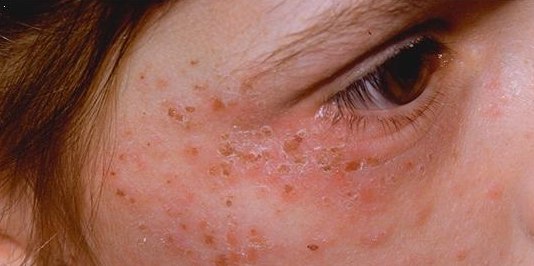
How porphyria develops
Heme is produced through a multi‑step enzymatic pathway. A deficiency or malfunction of any one of the enzymes can lead to excess upstream intermediates. Different enzyme defects produce distinct laboratory and clinical patterns. Many forms are inherited, so genetic testing and family history can be informative (genetics). Environmental factors and chemicals that alter hepatic metabolism can also precipitate or worsen disease; historically, arsenic and similar toxic agents have been linked to porphyrin disturbances (environmental causes).
Major clinical categories
- Acute hepatic porphyrias — primarily affect the nervous system and present with episodes of severe abdominal pain, autonomic instability, neuropathy and sometimes psychiatric features. Attacks are often accompanied by darkening or reddish discoloration of urine on standing.
- Cutaneous porphyrias — cause photosensitivity, leading to fragile skin, blistering, scarring and increased pigmentation on sun‑exposed areas. Blistering types and nonblistering types differ by which porphyrins accumulate.
- Erythropoietic porphyrias — arise from defects in enzymes mainly active in red blood cell precursors and can combine features of both skin disease and systemic findings.
Typical triggers and precipitating factors
Attacks or skin flares are commonly provoked by drugs that induce liver enzymes, alcohol, smoking, fasting or low carbohydrate intake, hormonal changes (for example, cyclic attacks related to the menstrual cycle), infection, and certain chemicals that disrupt metabolism. A list of medications and other triggers can be consulted through clinical resources (drug safety). Some industrial or environmental exposures may also act as precipitants (metabolic disruptors, trigger factors).
Symptoms, complications and notable features
Acute attacks typically produce intense, diffuse abdominal pain, nausea, vomiting, constipation, tachycardia, high blood pressure and peripheral neuropathy; severe attacks can progress to respiratory muscle weakness. Cutaneous forms cause photosensitivity with painful burning, blistering, and chronic changes such as scarring and increased hair growth in some areas. Hair loss is not a universal feature but may occur in certain settings, including after prolonged illness or as a side effect of treatment.
Diagnosis and laboratory testing
Diagnosis relies on biochemical testing for elevated porphyrins or their precursors in urine, blood and stool and on enzyme or DNA testing when available. During acute neurovisceral attacks, urinary porphobilinogen and delta‑aminolevulinic acid are commonly raised; chromatographic separation and quantitative assays help classify the specific porphyria.
Treatment and long‑term management
Management is tailored to the type and severity. Acute neurovisceral crises are treated promptly with supportive care, pain control, removal of precipitating factors, carbohydrate loading and, where indicated, intravenous heme preparations that reduce precursor production. Chronic cutaneous disease is managed by strict sun protection, phlebotomy or low‑dose antimalarial agents in selected cases, and by treating underlying contributors such as iron overload, alcohol use or viral hepatitis when present. Preventive strategies emphasize avoidance of known triggers and patient education.
For further clinical guidance, resources on porphyria screening, detailed medication lists and genetic counseling are available (neurologic effects, further reading, historical context).
Related articles
Author
AlegsaOnline.com Porphyria: causes, types, symptoms, diagnosis and management Leandro Alegsa
URL: https://en.alegsaonline.com/art/78160