
Pre-ejaculate (pre-ejaculatory fluid)
Clear fluid produced during male sexual arousal that can lubricate, neutralize urethra acidity, and—sometimes—carry sperm or pathogens; varies between individuals.
Overview
Pre-ejaculate, often called pre-ejaculatory fluid or pre-cum, is a clear, usually colorless secretion released from the male urethra during sexual stimulation. It is produced before full ejaculation and commonly appears when a person with a penis experiences sexual arousal. The fluid is distinct from seminal fluid expelled at orgasm and is linked to small glands near the urethra.
Image gallery
3 Images

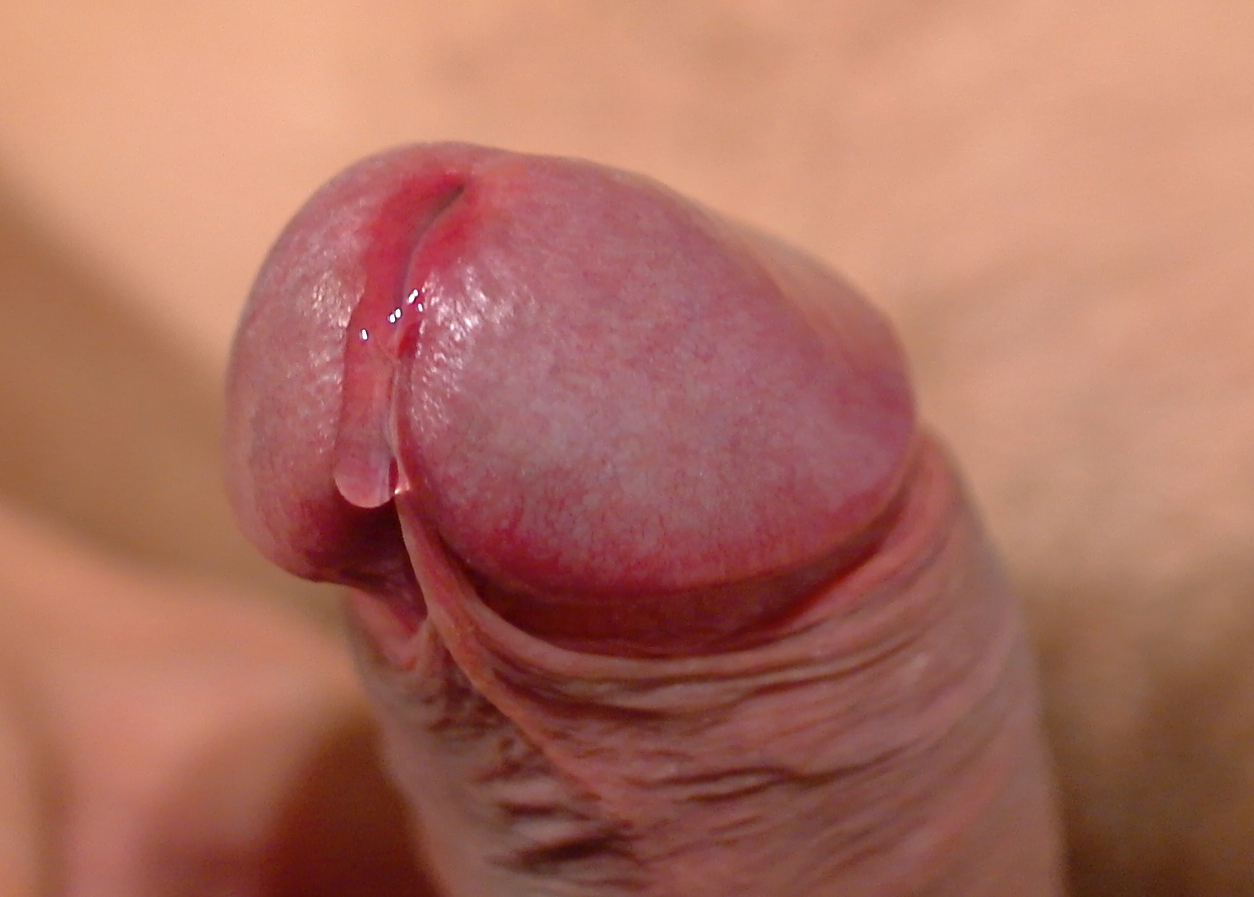
Anatomy and composition
The liquid originates primarily from the bulbourethral (Cowper's) glands and from secretions lining the urethra. It contains mucus-like and watery components that serve mechanical and chemical roles. Its composition is not uniform; factors such as recent ejaculation, hydration, and individual physiology affect its volume and appearance.
Function and effects
Pre-ejaculate has several functions. It helps lubricate the urethra and the external genitalia, making intercourse or other sexual activity more comfortable. It can also help neutralize traces of acidic urine in the urethra, creating a less hostile environment for sperm. As a physical lubricant, it operates similarly to other natural secretions and is sometimes compared to commercial lubricants.
Fertility and infection risk
Although generally free of large amounts of sperm, pre-ejaculate can, in some cases, contain sperm that remained in the urethra from a prior ejaculation. Consequently, pregnancy is possible if pre-ejaculate reaches a partner's vagina. The fluid can also transmit sexually transmitted infections (STIs) if pathogens are present, so barrier methods reduce both pregnancy and infection risk.
Variability, misconceptions and practical advice
- Variability: Volume and presence vary widely between individuals.
- Myths: The belief that pre-ejaculate is always sterile or always harmless is incorrect.
- Safety: Condoms and other protective measures remain effective protections against pregnancy and STIs.
For more detailed medical information or concerns, consult a healthcare provider. See related entries on reproductive anatomy such as the penis and glandular function for broader context.
Related articles
Author
AlegsaOnline.com Pre-ejaculate (pre-ejaculatory fluid) Leandro Alegsa
URL: https://en.alegsaonline.com/art/78652
Sources
- doi.org : 10.2164/jandrol.107.002576
- pubmed.ncbi.nlm.nih.gov : 17251594