
Prader–Willi syndrome
Prader–Willi syndrome is a genetic neurodevelopmental disorder with infant hypotonia, later excessive appetite and obesity risk, short stature, hypogonadism, cognitive and behavioral features; diagnosed by genetic testing.
Overview
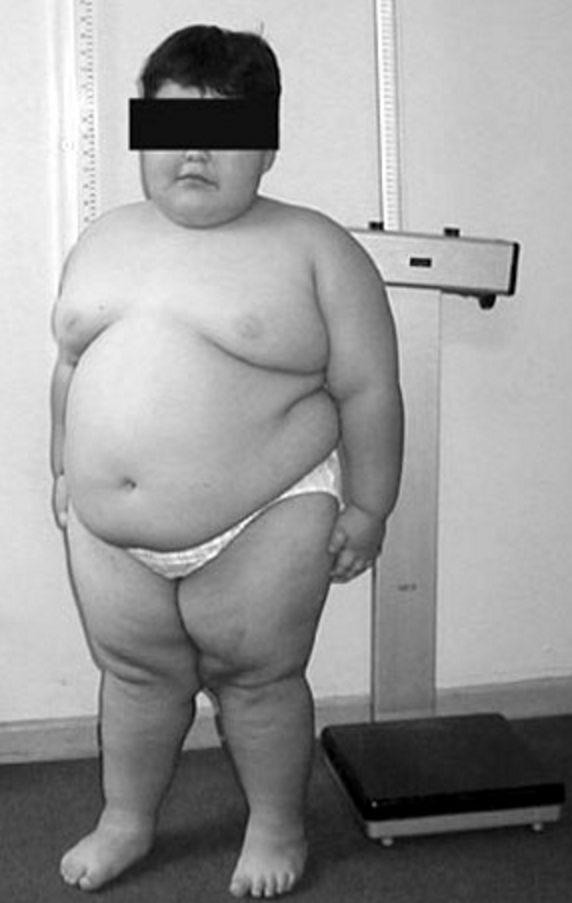
Prader–Willi syndrome (PWS) is a complex genetic condition that affects growth, development, behavior and metabolism. Children with PWS classically show markedly low muscle tone in infancy, delayed milestones and poor feeding early on, followed in childhood by an insatiable appetite (hyperphagia) that can lead to severe obesity if not strictly controlled. Cognitive impairment is variable, most often in the mild-to-moderate range, and many individuals experience characteristic behavioral and psychiatric challenges.
Image gallery
2 Images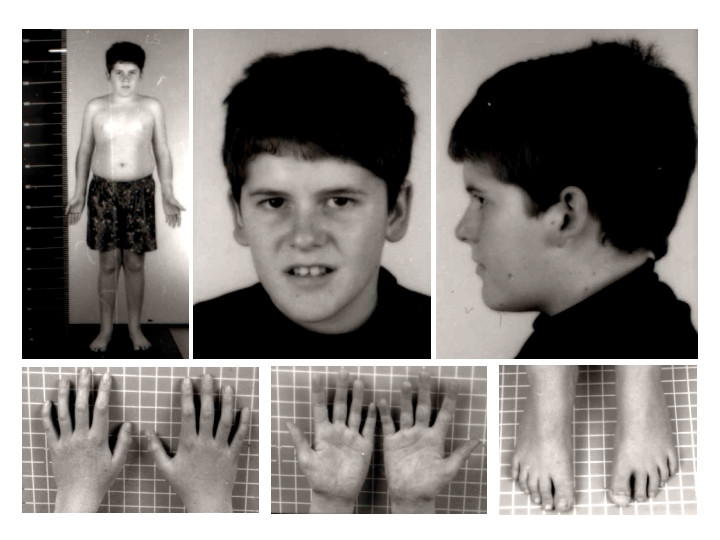
Causes and genetics
PWS results from loss of function of genes in a specific region of chromosome 15 (q11–q13) that are normally active only on the paternal chromosome. This can occur because of a deletion of the paternal segment, maternal uniparental disomy (two maternal copies and no paternal copy), or imprinting-center defects that silence paternal genes. The disorder is a canonical example of genomic imprinting, where the parent of origin determines gene activity. Genetic testing using DNA methylation analysis and targeted assays confirms the diagnosis and distinguishes the underlying genetic mechanism.
Signs, natural history and complications
- Infancy: hypotonia, poor suck, failure to thrive despite low muscle tone.
- Childhood: onset of hyperphagia with impaired satiety, rapid weight gain, short stature often related to growth hormone deficiency.
- Adolescence and adulthood: hypogonadism with delayed or incomplete sexual development, behavioral issues (temper outbursts, obsessive traits, skin picking), sleep problems and increased risk of obesity-related conditions such as type 2 diabetes and obstructive sleep apnea.
Diagnosis and management
Diagnosis is established by molecular genetic testing. Management is multidisciplinary: strict environmental control of food access is central to prevent life-threatening obesity. Growth hormone therapy is commonly used to improve growth, body composition and motor development; sex-hormone replacement may be recommended for pubertal development. Supportive care includes nutritional planning, physical and speech therapy, special education, and behavioral and psychiatric interventions when needed. There is currently no cure; treatment focuses on symptom control and quality of life.
History and notable facts
Prader–Willi syndrome was first described in 1956 by Swiss physicians who characterized the pattern of features now associated with the disorder. Its recognition helped illuminate the biological phenomenon of genomic imprinting. With attentive care and weight management many people with PWS live into adulthood, though obesity and its complications remain major health challenges.
Further information
Families and clinicians can find clinical guidelines, support networks and genetic counseling resources through specialized centres and organizations. For additional reading and resources visit clinical resources, support organizations or consult information about testing and genetics at genetic testing references.
Related articles
Author
AlegsaOnline.com Prader–Willi syndrome Leandro Alegsa
URL: https://en.alegsaonline.com/art/78587