
Premature birth (preterm birth): causes, risks, outcomes and care
Premature (preterm) birth occurs when a baby is born before 37 completed weeks of gestation. This article covers definition, causes, risks, clinical care, prevention and the global public-health context.
Overview
Premature birth, also called preterm birth, refers to the birth of an infant before the pregnancy reaches full term. In routine obstetric practice full term is defined as 37 to 42 completed weeks of gestation. Babies born early may need specialised support because important organs — particularly the lungs, brain and digestive system — finish critical development during the final weeks of pregnancy. The degree of immaturity at birth strongly influences immediate needs and longer-term outcomes. A preterm infant may be described in clinical notes as a preterm infant or preterm newborn.
Image gallery
5 Images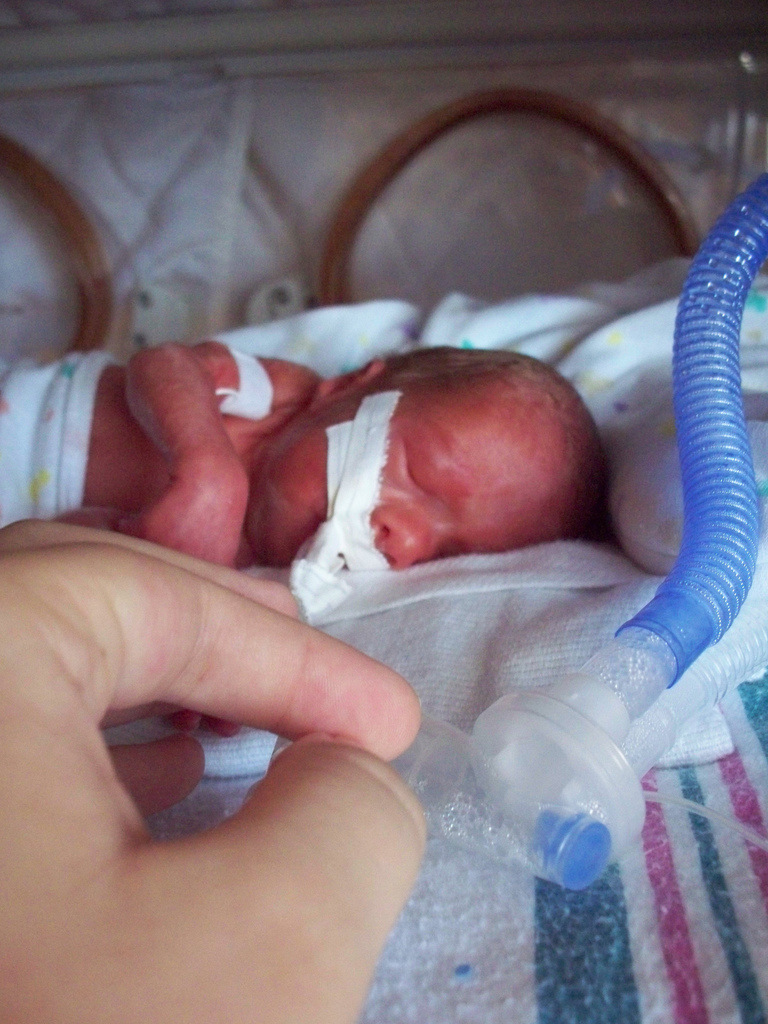


Definition and classification
Gestational age is commonly estimated from the first day of the last menstrual period or by ultrasound assessment. By convention, births before 37 completed weeks are considered premature. Clinicians often subdivide prematurity to guide care: late preterm (34 to 36 weeks + 6 days), moderate preterm (32 to 33 weeks + 6 days) and very preterm (under 32 weeks). These categories reflect increasing risks of respiratory, metabolic and neurologic complications. Accurate dating of pregnancy influences counselling, decision-making about delivery, and interpretation of newborn size and maturity; dating methods and due-date estimates are discussed in obstetric guidelines and resources such as those referenced by perinatal centres and public-health agencies.
Causes and risk factors
Preterm birth arises from many pathways. Some labours begin spontaneously without an identifiable cause; others follow medical or obstetric interventions when continuing pregnancy would jeopardise mother or fetus. Common risk factors associated with higher likelihood of preterm birth include a history of prior preterm delivery, multiple pregnancy (twins or higher-order multiples), certain uterine or cervical conditions, maternal infections of the urinary or genital tracts, chronic maternal illnesses (for example hypertension or diabetes), lifestyle factors such as tobacco use, and social determinants including limited access to prenatal care and high levels of stress. Maternal age extremes and assisted reproductive technologies also affect risk profiles in some populations.
Diagnosis, assessment and monitoring
When preterm labour is suspected, clinicians assess gestational age, cervical changes and fetal wellbeing. Diagnostic tools include clinical examination, ultrasound, fetal heart monitoring and laboratory tests when infection or other complications are suspected. Care plans balance efforts to delay birth to allow fetal maturation (for example with antenatal corticosteroids) against risks that prompted delivery. Communication with parents about likely course, possible interventions and prognosis is a key element of care.
Complications and prognosis
The earlier a baby is born, the greater the risk of immediate complications such as respiratory distress, difficulty maintaining body temperature, feeding problems, jaundice and vulnerability to infection. Longer term, some children born prematurely may experience neurodevelopmental impairments, learning or behaviour challenges, vision and hearing problems, or chronic respiratory and cardiovascular issues. Advances in neonatal intensive care have substantially improved survival and functional outcomes for many preterm infants, yet outcomes vary widely by gestational age at birth and by availability of specialised perinatal and neonatal services.
Prevention and clinical care
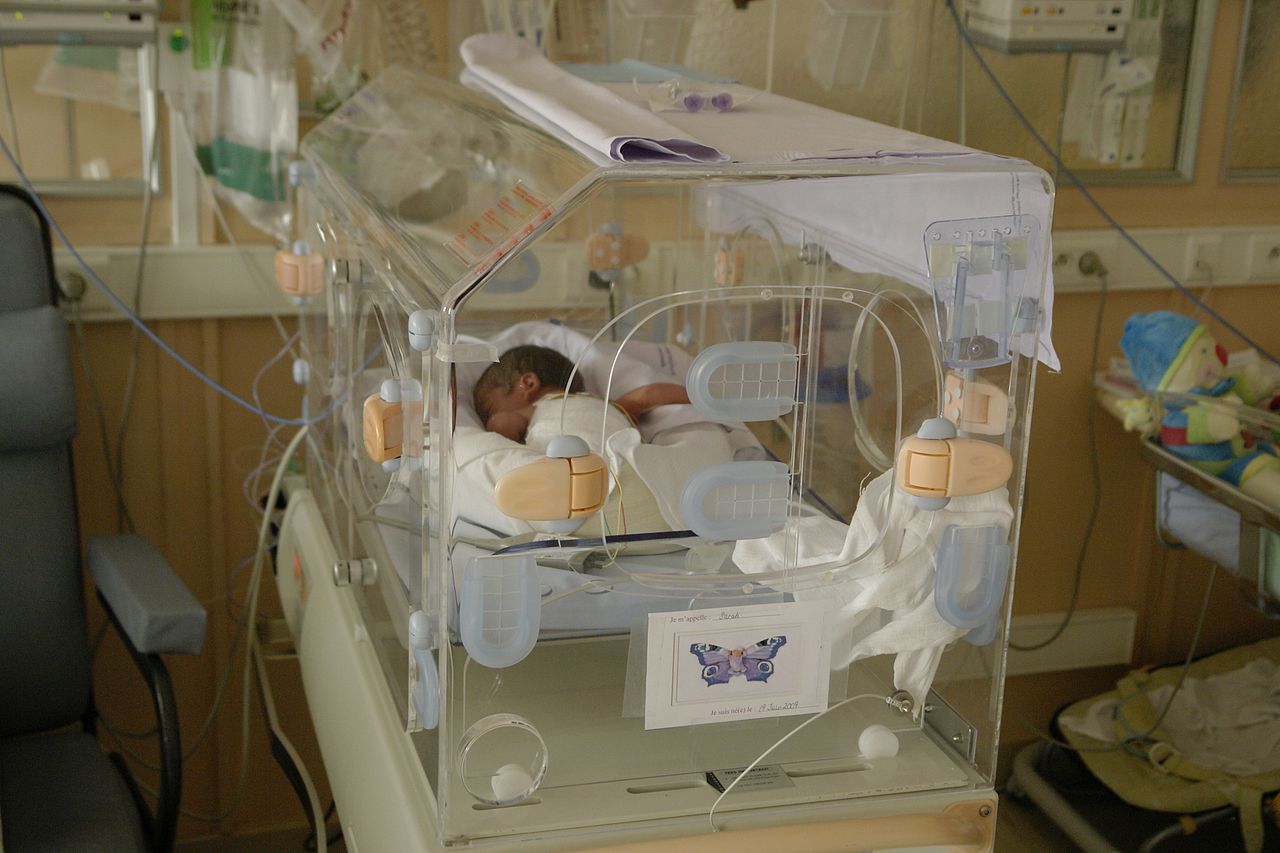
Prevention and reduction of preterm birth rates combine public-health measures and targeted medical interventions. Good-quality prenatal care that identifies and treats infections, manages chronic maternal conditions and supports healthy behaviours is central. In hospital settings, treatments to improve fetal lung maturity (antenatal corticosteroids), to provide neuroprotection in selected cases (for example magnesium sulfate), and to stabilise mothers with preterm labour can reduce some adverse outcomes. After birth, neonatal care focuses on respiratory support, temperature and fluid management, nutritional support including breastfeeding, and infection control. Family-centred practices such as skin-to-skin contact (kangaroo care) and early involvement of parents support bonding and may improve developmental outcomes.
Global context and public-health considerations
Preterm birth is a major contributor to neonatal mortality and childhood disability worldwide. Accurate international comparisons are challenging because data collection, gestational dating and access to care differ among countries. In some higher-resource settings the proportion of births that are preterm has been a focus of monitoring and prevention efforts; for example, estimates from some periods have placed that proportion at around one in ten to one in eight births. In low-resource settings, where routine ultrasound dating and neonatal intensive care are less available, international agencies sometimes track related measures such as low birth weight as an indicator of neonatal health. Organisations including national public-health bodies and the World Health Organization provide guidance and global monitoring on maternal and newborn health.
Disparities, data and research priorities
Rates of prematurity and outcomes show marked disparities by socioeconomic status, race and geography. Research priorities include better understanding of biological and social causes, improved prediction and prevention strategies, optimisation of perinatal interventions, and expansion of accessible neonatal care where it is limited. Public-health action emphasises improving prenatal care coverage, reducing modifiable risks, and strengthening systems for maternal-newborn health data.
Support for families and long-term follow-up
Families of preterm infants often need coordinated support that includes neonatal clinical teams, lactation and developmental specialists, and community services. Early intervention programmes and routine developmental follow-up help detect and address issues such as motor delays, cognitive or sensory impairments and feeding difficulties. Information and counselling tailored to family needs improve care planning and parent-infant attachment. For practical guidance and data, consult national perinatal services and reliable clinical resources such as those produced by professional societies and public-health agencies. See materials on newborn care and perinatal services at relevant health portals, for example newborn care resources and national monitoring pages such as those maintained in the United States and by international partners like the WHO. Clinical review articles, guideline documents and educational materials from professional organisations can offer more detailed protocols and references; examples of such resources are summarised by maternal–child health programmes and specialist centres (pregnancy care, pregnancy duration, dating methods).
Further reading
For families and clinicians seeking concise overviews, patient information leaflets and national guideline summaries provide practical advice on prevention, recognition of preterm labour signs, and resources for specialised neonatal care. Public-health reports and technical guidance from recognised bodies remain key sources for epidemiology, recommended practices and policy initiatives addressing prematurity at population level. See linked resources and local perinatal services for up-to-date, location-specific guidance (newborn care, pregnancy support, gestational age information, obstetric dating, national statistics, global health guidance).
Questions and answers
Q: What is premature birth?
A: Premature birth is when a baby is born before the normal end of pregnancy.
Q: How long does a normal pregnancy last?
A: A normal pregnancy lasts for about nine months or 266 days on average.
Q: When are babies considered premature?
A: Babies who are born before 37 complete weeks of pregnancy (calculated from the last menstrual period) are considered premature.
Q: What percentage of babies are born prematurely in the United States?
A: About twelve percent of babies are born prematurely in the United States.
Q: How many premature births were there in 2003 in the United States?
A: There were over 490,000 premature births in the United States in 2003.
Q: Why is it difficult to track worldwide rates of prematurity?
A: In developing countries, there is often no professional medical care for premature babies, which makes it difficult to tell how far along the pregnancy really was.
Q: What percentage of low birth weight deliveries are due to premature delivery in developing countries?
A: It is estimated that one-third of low birth weight deliveries in developing countries are due to premature delivery.
Related articles
Author
AlegsaOnline.com Premature birth (preterm birth): causes, risks, outcomes and care Leandro Alegsa
URL: https://en.alegsaonline.com/art/78725
Sources
- who.int : WHO Data and statistics
- marchofdimes.com : The Growing Problem of Prematurity
- theage.com.au : Depression linked to premature birth
- mayoclinic.com : Premature Birth
- pediatrics.aappublications.org : "Medical staff guidelines for periviability pregnancy counseling and medical treatment of extremely premature infants"
- pubmed.ncbi.nlm.nih.gov : 16396856
- pediatrics.aappublications.org : TABLE 1 Survival and neurologic disability rates among extremely premature infants
- doi.org : 10.1080/14767050701866971
- pubmed.ncbi.nlm.nih.gov : 18240080
- ctv.ca : "News report"
- abcnews.go.com : "ABC News story"