
Hippocrates — Ancient Greek Physician and Founder of Clinical Medicine
Hippocrates (c. 460–c. 370 BC) was an ancient Greek physician credited with introducing clinical observation, natural explanations for disease, and foundational medical ethics, including the Hippocratic Oath.
Overview
Hippocrates is the name most closely associated with the beginnings of Western clinical medicine. Living in Greece in the classical period (traditionally dated to c. 460–c. 370 BC), he is often called the "father of medicine" because he and the school that bore his name emphasized careful observation of patients and natural, rather than supernatural, explanations for illness. Much of what is known about him comes from later sources and from a large body of medical writings attributed to him and his followers.
Image gallery
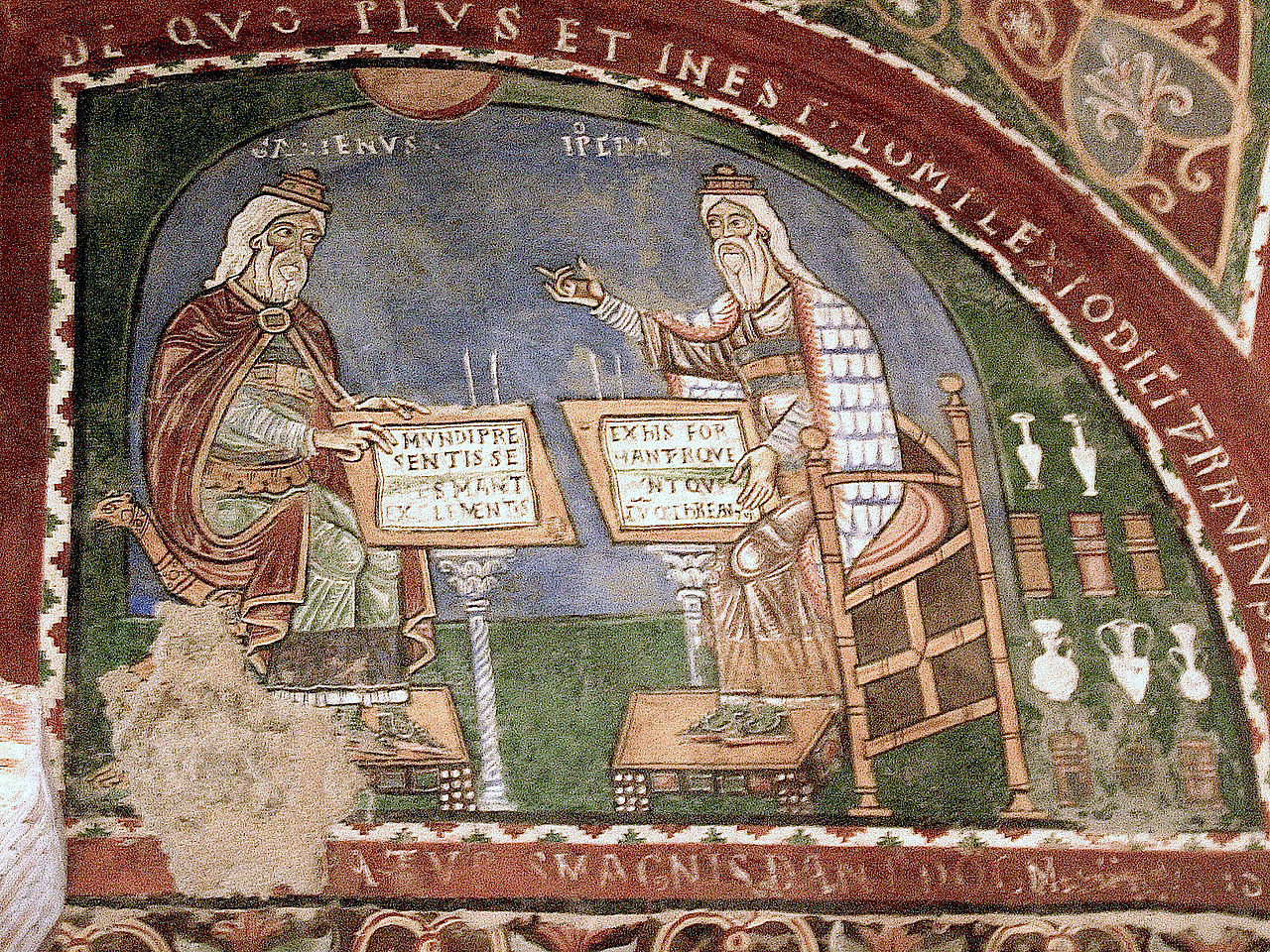
10 Images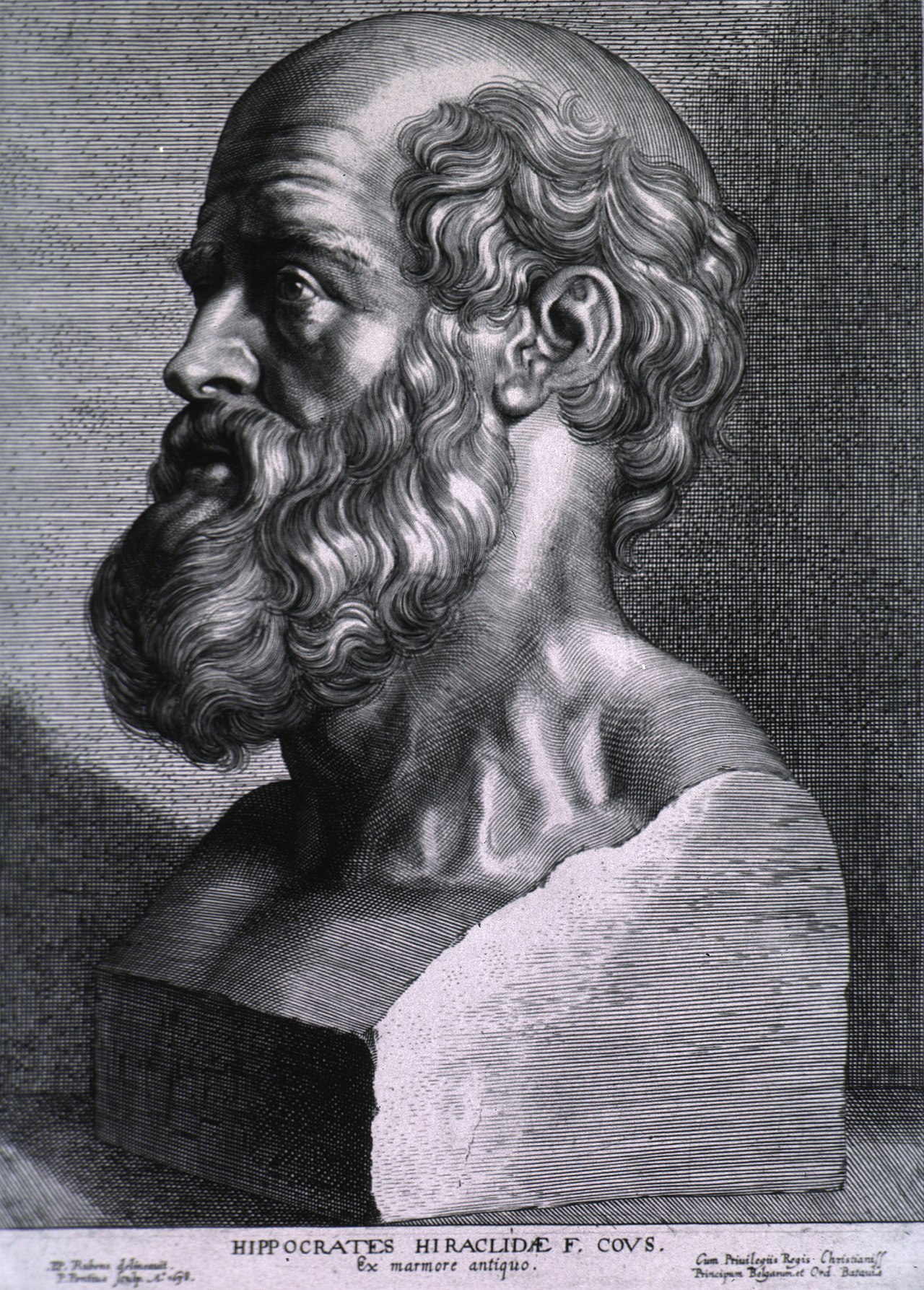






Life and historical context
Biographical details about Hippocrates are sparse and partly legendary. Classical tradition places him on the island of Kos and in other parts of Greece, where a medical school associated with his name operated. The social and intellectual environment of classical Greece — with its interest in natural philosophy, anatomy, and rational inquiry — helped shape a medical approach that prioritized cause, prognosis, and therapy based on observation rather than appeals to the divine.
Writings and the Corpus
A sizable collection of texts, often called the Corpus Hippocraticum, preserves medical treatises that reflect a range of styles and authorship. Not all of these works were written by a single individual; instead they represent a tradition of teachers and practitioners whose ideas were gathered under the Hippocratic name. These writings include case histories, instructional handbooks, ethical reflections, and practical guides to diagnosis and treatment. For readers seeking introductions to this material, modern translations and scholarly editions collect and comment on the corpus; see sources on Hippocratic texts and academic treatments of the tradition.
Medical methods and contributions
Hippocratic medicine introduced several practices and concepts that shaped later clinical care. Practitioners emphasized:
- Systematic clinical observation and careful recording of symptoms and course of illness.
- Prognosis — assessing likely outcomes as a practical and ethical skill.
- Interventions grounded in diet, regimen, and gentle therapies before more drastic measures.
- Attention to the environmental and lifestyle factors that affect health.
Some medical theories associated with the Hippocratic tradition, such as the notion of bodily humors, were developed further by later physicians and shaped medicine for many centuries, even as some specific theories were eventually superseded.
Ethics and the Hippocratic Oath
One of the most enduring legacies is the ethical framework attributed to Hippocratic medicine. The Hippocratic Oath — in its original and many later adapted forms — codified professional responsibilities: confidentiality, non-maleficence (avoiding harm), and fidelity to patients. Modern medical ethics draws on these themes though contemporary oaths are usually revised to reflect current values and legal frameworks. For discussions of medical ethics in practice and education, see ethical resources and contemporary adaptations at medical schools, some of which provide sample oaths and commentary (modern oath examples).
Legacy and distinctions
Hippocrates' reputation rests less on a single authored textbook than on a lasting methodological shift: medicine as an observational, rational craft. Historians caution against treating Hippocrates as a lone genius; instead he is best understood as the emblematic figurehead of a wider movement. His influence extended through antiquity, the medieval period, and into modern times, shaping how clinicians think about patient care, evidence, and professional responsibility. For further reading and resources on his influence and texts, consult collections and overviews available through academic and medical history libraries (further reading).
Questions and answers
Q: Who was Hippocrates?
A: Hippocrates was a Greek doctor who is called the "father of medicine".
Q: What did Hippocrates teach about illness?
A: Hippocrates was the first person to teach that people got sick for scientific reasons.
Q: What did people previously believe caused disease?
A: Previously, people believed that disease was caused by angry gods.
Q: What are some of Hippocrates' teachings that are still important to doctors today?
A: Many of Hippocrates' writings are still important to doctors, such as patient confidentiality and never leading a patient to suffering or death.
Q: What is the Hippocratic Oath?
A: The Hippocratic Oath is a set of rules which doctors promise to obey.
Q: What is the origin of the name Hippocratic Oath?
A: The Hippocratic Oath is named after Hippocrates.
Q: Can you provide an example of a modern Hippocratic Oath?
A: Yes, a modern Hippocratic Oath used at the University of North Carolina School of Medicine begins with the following statement: "I do solemnly swear by all I hold most sacred..."
Related articles
Author
AlegsaOnline.com Hippocrates — Ancient Greek Physician and Founder of Clinical Medicine Leandro Alegsa
URL: https://en.alegsaonline.com/art/120649
Sources
- encarta.msn.com : "Hippocrates" · webcitation.org
- caluniv.ac.in : "Reviving the Dead Greek Guys"
- wikidata.orgQ5264.html : wikidata.orgq5264.html
- authority.bibsys.no : 90154711
- catalogo.bne.es : XX932328
- catalogue.bnf.fr : cb119075525
- data.bnf.fr : (data)
- cantic.bnc.cat : a10475424
- ci.nii.ac.jp : DA00204339
- d-nb.info : 11855140X
- isni.org : 0000 0004 3523 8545
- id.loc.gov : n79005643
- kopkatalogs.lv : 000006751
- id.ndl.go.jp : 00443405