
Tahiti — principal island of French Polynesia
Tahiti is the largest and most populous island of French Polynesia in the South Pacific, known for its volcanic landscape, Polynesian culture, and as the administrative and transport hub based at Papeete.
Overview
Tahiti is the largest island in the Windward subgroup of the Society Islands and the most populous landmass in French Polynesia. Located in the southern Pacific Ocean, it functions as the administrative, economic and cultural centre of the overseas collectivity. Papeete, on the northwestern coast, is the capital and largest city and hosts government institutions, the main port and many services.
Image gallery
10 Images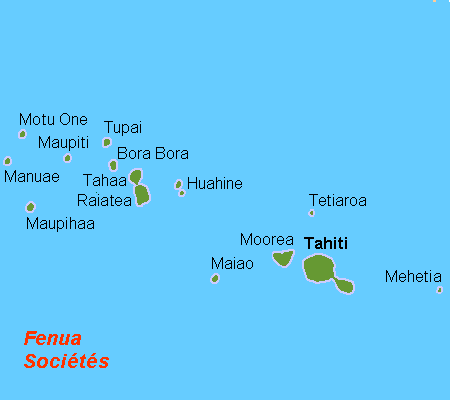


Geography and environment
The island is volcanic in origin and has a rugged, mountainous interior with steep ridges and deep valleys. Its central peak rises dramatically above coastal plains and coral-fringed bays. Tahiti's coastline features sandy and rocky beaches lined with coconut trees, while coral reefs protect many shallow lagoons. The island's physical variety supports a mix of tropical forest, cultivated land and urban areas.
Language, population and settlements
French and Tahitian are both official languages and widely used. The urban area around Papeete includes suburban communes such as Faaa and Mahina. Population figures have changed over time, but Tahiti has been home to well over a hundred thousand residents since the late 20th century (see census data for specific years). Local life blends traditional Polynesian customs with modern French-influenced administration and services.
History and political status
European contact began in the late 18th century when explorers visited the island, and Tahiti later became increasingly integrated into European trade and governance. It is now an overseas collectivity of France, with local institutions alongside representation tied to the French state. The cultural history includes long-standing Polynesian traditions in art, dance, music and navigation, which remain important to identity and tourism.
Economy, culture and uses
Tourism is a major component of Tahiti's economy, drawing visitors to its scenery, cultural events and nearby islands. Other important sectors include pearl farming (notably black pearls), agriculture (copra and tropical fruits) and public administration. Traditional crafts, dance and festivals are both cultural expressions and attractions for visitors.
Transport and connections
Faa'a International Airport serves as Tahiti's principal air gateway. International carriers operate long-haul routes to key destinations, and regional airlines connect the island with neighbouring islands and atolls. For example, one carrier operates scheduled flights to long-haul hubs such as Los Angeles and Paris, while other services link to places like Hawaii and Japan. Inter-island flights to nearby destinations such as Bora Bora are available via local operators.
Quick facts and further reading
- Location: southern Pacific Ocean (Society Islands)
- Political affiliation: part of French Polynesia
- Capital: Papeete
- More on the island: Tahiti overview, demographic notes (census reference)
Tahiti combines a dramatic volcanic landscape, enduring Polynesian culture and contemporary ties to France. It remains a central hub for administration, transport and tourism within a widely dispersed oceanic territory and serves as a gateway to other well-known South Pacific islands.
Related articles
Author
AlegsaOnline.com Tahiti — principal island of French Polynesia Leandro Alegsa
URL: https://en.alegsaonline.com/art/95903