
Teratogen: agents that cause developmental abnormalities
A teratogen is an agent that can disrupt prenatal development and increase the risk of congenital abnormalities. Causes, timing, examples, mechanisms, history, prevention, and public-health relevance are covered.
Overview
A teratogen is any substance, organism, physical agent or environmental exposure that can interfere with normal fetal development and increase the chance of a congenital anomaly or functional impairment. The word derives from the Ancient Greek teras ("monster"), reflecting early attempts to describe abnormal births. Teratogens act during pregnancy to alter growth, form or function rather than causing inherited genetic changes.
Image gallery
5 Images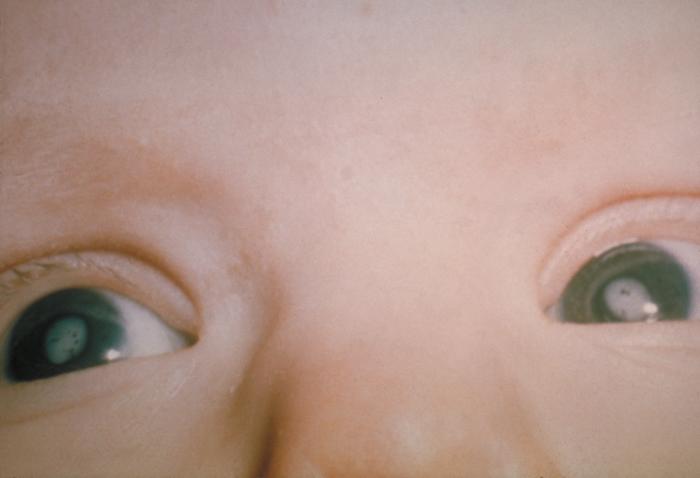
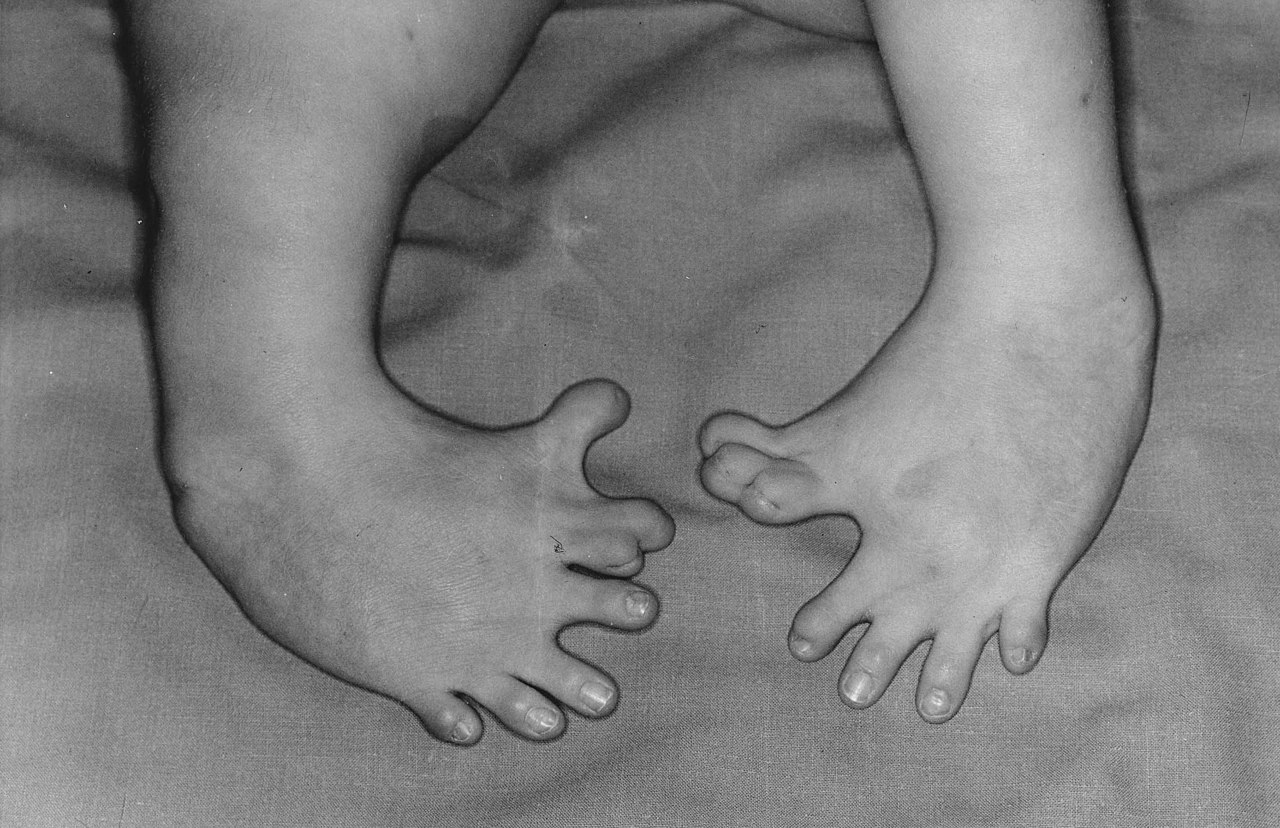


Common types and examples
Teratogenic agents fall into broad categories: chemical substances (industrial chemicals, heavy metals), pharmaceutical drugs, alcohol and recreational drugs, infectious organisms, and physical agents such as ionizing radiation. Classic examples that illustrate different risks include:
- Alcohol — prenatal alcohol exposure can lead to fetal alcohol spectrum disorders, a range of growth, facial and neurodevelopmental problems.
- Certain medications — some medicines taken in pregnancy are linked to malformations; historical events such as the thalidomide tragedy showed how a drug can cause limb defects when given in early pregnancy.
- Infections — maternal rubella, cytomegalovirus and Zika virus have been associated with congenital abnormalities.
- Chemicals and metals — high exposures to lead, mercury and some organic solvents can affect neurological development.
Timing and biological mechanisms
The effect of a teratogen depends strongly on dose, duration, genetic susceptibility and, crucially, timing. The embryonic period (roughly weeks 3–8 after fertilization) is when organ systems are forming and is especially sensitive to structural malformations. Later exposures may impair growth or brain function. Mechanisms include disruption of cell proliferation, differentiation, migration, induction of cell death, interference with signalling pathways, or damage to placental function.
History and public-health response
Recognition of teratogens has evolved through clinical observation and epidemiology. The mid-20th century thalidomide episodes and outbreaks of congenital rubella prompted changes in drug testing, pregnancy labelling and vaccination programs. Surveillance, reproductive toxicology testing and guidelines for prescription use in pregnancy are now standard public-health responses.
Prevention, clinical guidance and distinctions
Prevention focuses on reducing exposures, immunization against preventable infections, preconception counselling and careful medication review. Patients are advised to discuss all drugs with a clinician before conception and during pregnancy; authoritative prescribing guidance helps weigh maternal benefits against fetal risks. Not every exposure causes harm: genetic factors, nutritional status (for example, folate deficiency and neural-tube defects) and chance all influence outcomes. For more information on congenital conditions see birth defects resources, and consult professional advice before changing any regimen involving prescription drugs.
Questions and answers
Q: What is a teratogen?
A: A teratogen is a material that can cause birth defects.
Q: What are some examples of teratogens?
A: Teratogens include some chemicals, medications, and infectious diseases.
Q: What is the origin of the word teratogen?
A: The name teratogen goes back to Ancient Greek "theras", which can be translated as "monster".
Q: How many birth defects are caused by teratogens?
A: About 75% of all birth defects are caused by teratogens.
Q: Can teratogens be found in everyday products?
A: Yes, some teratogens can be found in everyday products such as cleaning supplies and pesticides.
Q: Is it possible to avoid teratogens during pregnancy?
A: It is possible to avoid teratogens during pregnancy by being aware of potential sources and avoiding exposure.
Q: Can all teratogenic effects be prevented?
A: Not all teratogenic effects can be prevented, but taking steps to avoid exposure can reduce the risk of birth defects.
Related articles
Author
AlegsaOnline.com Teratogen: agents that cause developmental abnormalities Leandro Alegsa
URL: https://en.alegsaonline.com/art/97060
Sources
- aboutkidshealth.ca : "Things to Avoid During Pregnancy: Teratogens"
- cdc.gov : "Facts about FASDs"
- ncbi.nlm.nih.gov : "Fetal Alcohol Syndrome"
- embryo.asu.edu : "Teratogens"
- worldcat.org : 1940-5030
- permanent.access.gpo.gov : "Frances Oldham Kelsey: FDA Medical Reviewer Leaves Her Mark on History"
- cdc.gov : "STDs during Pregnancy – CDC Fact Sheet"
- doi.org : 10.2471/BLT.12.111732
- worldcat.org : 0042-9686
- pubmed.ncbi.nlm.nih.gov : 23825877
- www3.interscience.wiley.com : "Chronic varicella-zoster skin infection complicating the congenital varicella syndrome"
- doi.org : 10.1111/j.1525-1470.2007.00471.x
- pubmed.ncbi.nlm.nih.gov : 17845179
- cdc.gov : "Chapter 15: Congenital Rubella Syndrome. In "Manual for Surveillance of Vaccine-Preventable Diseases""
- annclinlabsci.org : "Teratogenic Causes of Malformations"