
Air traffic control: functions, structure, history and safety systems
Concise overview of air traffic control (ATC): roles, units (tower, approach, en route), surveillance and safety systems, airspace categories, history, training, and modernisation challenges.
Air traffic control (ATC) is the ground-based service that directs and coordinates the movement of aircraft on the ground and in the air to promote safe, orderly and expeditious flow of traffic. Controllers issue clearances and instructions, monitor positions, advise pilots about weather and traffic, and manage runway and taxiway use. For further background, see Air traffic control resources.
Image gallery
10 Images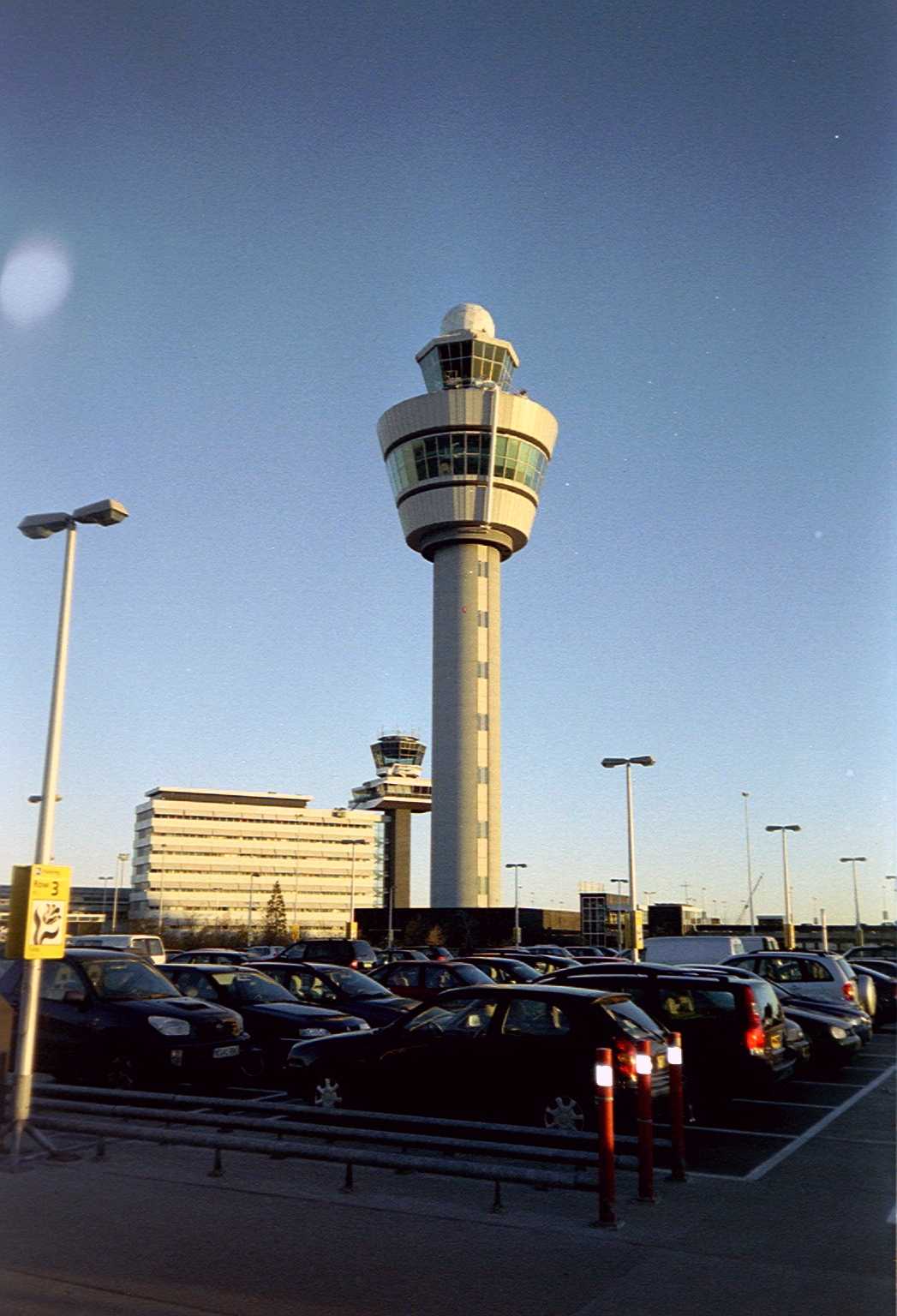




Core responsibilities
The principal aim of ATC is separation: keeping aircraft apart by prescribed horizontal, vertical or time-based intervals so as to prevent collisions. Controllers apply procedures that depend on flight rules, the phase of flight and available surveillance. They also sequence arrivals and departures, coordinate with adjacent units, and provide traffic and aeronautical information to pilots. While pilots are ultimately responsible for the safe operation of their aircraft, under instrument flight rules (IFR) they are required to comply with ATC clearances; in emergencies pilots may deviate from clearances to maintain safety and must later report the deviation.
Organization and units
Air traffic services are commonly organised into units that handle specific phases of flight:
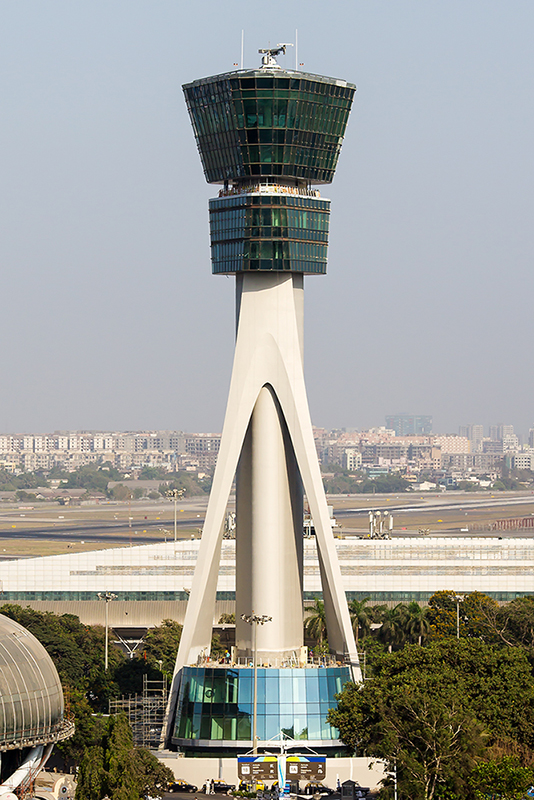
- Control tower: manages aircraft and vehicles in the immediate airport environment, including runways and taxiways.
- Ground control: within the tower, coordinates taxiing aircraft and surface movements.
- Approach/departure control: handles arriving and departing traffic around airports, sequencing and vectoring aircraft to final approach or the en route structure.
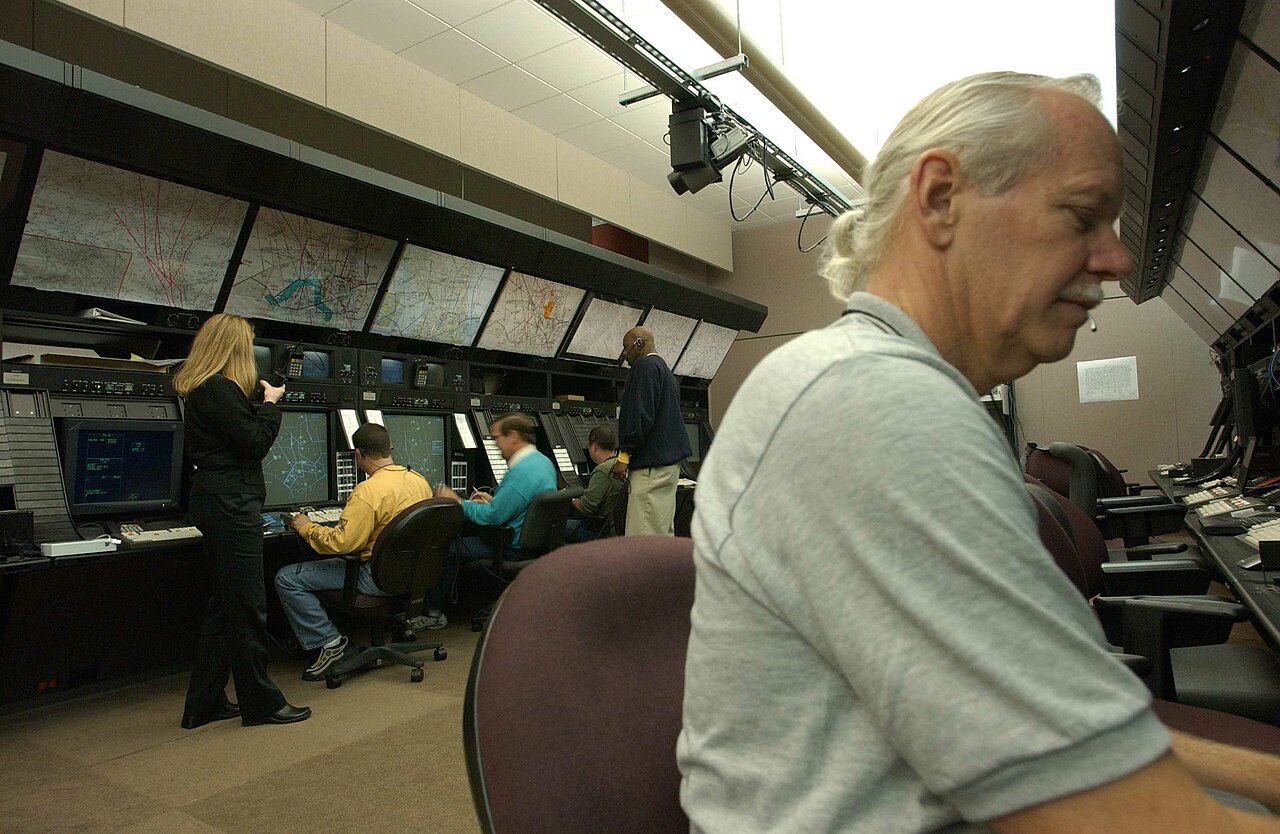
- En route (area) control: manages aircraft on the cruise portion of flights across regions, commonly divided into sectors staffed by controllers.
Surveillance, communications and automation
Modern ATC combines human judgement with technologies. Surveillance tools include primary and secondary radar, multilateration and satellite-based systems such as ADS-B, which improve position accuracy. Voice and data links carry clearances and operational information between controllers and crews. Flight data processing systems and conflict detection tools assist controllers with planning and workload management. Onboard systems such as Traffic Collision Avoidance System (TCAS or ACAS) provide an independent safety layer to warn pilots of potential conflicts.
Procedures, phraseology and separation
Standard procedures and concise phraseology reduce ambiguity in communications. Controllers use established phraseology for clearances, taxi instructions, route changes and weather reports. Separation minima are defined by national and international regulators and depend on airspace class, traffic type and surveillance performance. When surveillance or communications fail, contingency procedures and pilot reports maintain safety.
Training, human factors and safety culture
ATC requires specialised training, proficiency checks and ongoing assessment. Human factors such as workload, situational awareness, communication clarity and fatigue management are central to safety. Incident reviews, simulation, and a reporting culture support continuous improvement. International standards and recommended practices are promoted by organisations that coordinate procedures and minima across national boundaries.
History and evolution
Organised air traffic control began in the early 20th century as aviation expanded. Early methods included visual signalling and radio; the first civil ground control services appeared in the 1920s. Over decades, procedural standardisation, radar surveillance and later satellite navigation transformed ATC operations. Pioneering figures and early control towers contributed to the development of modern systems.
Airspace classifications and controlled versus uncontrolled areas
Airspace is divided into classes that determine the level of ATC services and pilot requirements. Controlled airspace is subject to ATC services and may require clearances for entry; uncontrolled airspace lacks routine ATC separation, so pilots operate under rules that rely on see-and-avoid, position reporting and self-separation. The vertical and lateral limits of these categories vary by country and by the complexity of the local traffic environment.
Modernisation and future challenges
Major modernisation programmes seek to increase capacity and efficiency while maintaining safety. Examples include initiatives that move surveillance from radar to satellite-based systems, implement performance-based navigation, and introduce digital datalinks for clearances. Emerging challenges include integrating new airspace users such as unmanned aircraft systems, coping with traffic growth, and ensuring resilient systems against equipment failures, cyber threats and extreme weather.
Because ATC blends technology, regulation and human judgement, it remains a central and continuously evolving component of civil and military aviation operations.
Questions and answers
Q: What is air traffic control?
A: Air traffic control (ATC) is a service provided by ground-based controllers who direct aircraft on the ground and in the air.
Q: What is the main job of air traffic control?
A: The main job of air traffic control is to separate aircraft to prevent crashes and to make sure aircraft are running on time and as fast as possible.
Q: What is the difference between controlled and uncontrolled airspace?
A: Air traffic control service is provided in controlled airspace while it is not provided in uncontrolled airspace.
Q: How is preventing crashes accomplished in air traffic control?
A: Preventing crashes is done by what is called separation, which means that the aircraft are kept apart by a minimum distance at all times.
Q: What is the backup system for air traffic control's collision avoidance system?
A: The backup for when air traffic control is not available or if something goes wrong with ATC is collision avoidance systems that see nearby aircraft and warn pilots if other planes are too close.
Q: Can pilots make changes to air traffic control commands?
A: Yes, pilots can make changes in order to keep the plane safe, even if they are given commands from air traffic control.
Q: When was air traffic control first introduced and who is considered the first air traffic controller?
A: Air traffic control was first introduced at London's Croydon Airport in 1921. Archie League, who controlled aircraft using colored flags at what is today Lambert-St. Louis International Airport, is often considered the first air traffic controller.
Related articles
Author
AlegsaOnline.com Air traffic control: functions, structure, history and safety systems Leandro Alegsa
URL: https://en.alegsaonline.com/art/1653