
Aeroflot — Russian Flag Carrier and Long-Established Airline
Aeroflot is the flag carrier of the Russian Federation, one of the world's oldest airlines. This article summarizes its history, operations, fleet modernization, and role in civil aviation.

Aeroflot is the national airline of the Russian Federation and the country's largest carrier. Established in the early 20th century, it is widely regarded as one of the world's oldest airlines. Aeroflot operates scheduled domestic and international services, and its brand is widely recognized for a distinctive livery and long presence in global aviation.
Image gallery
10 Images




History and development
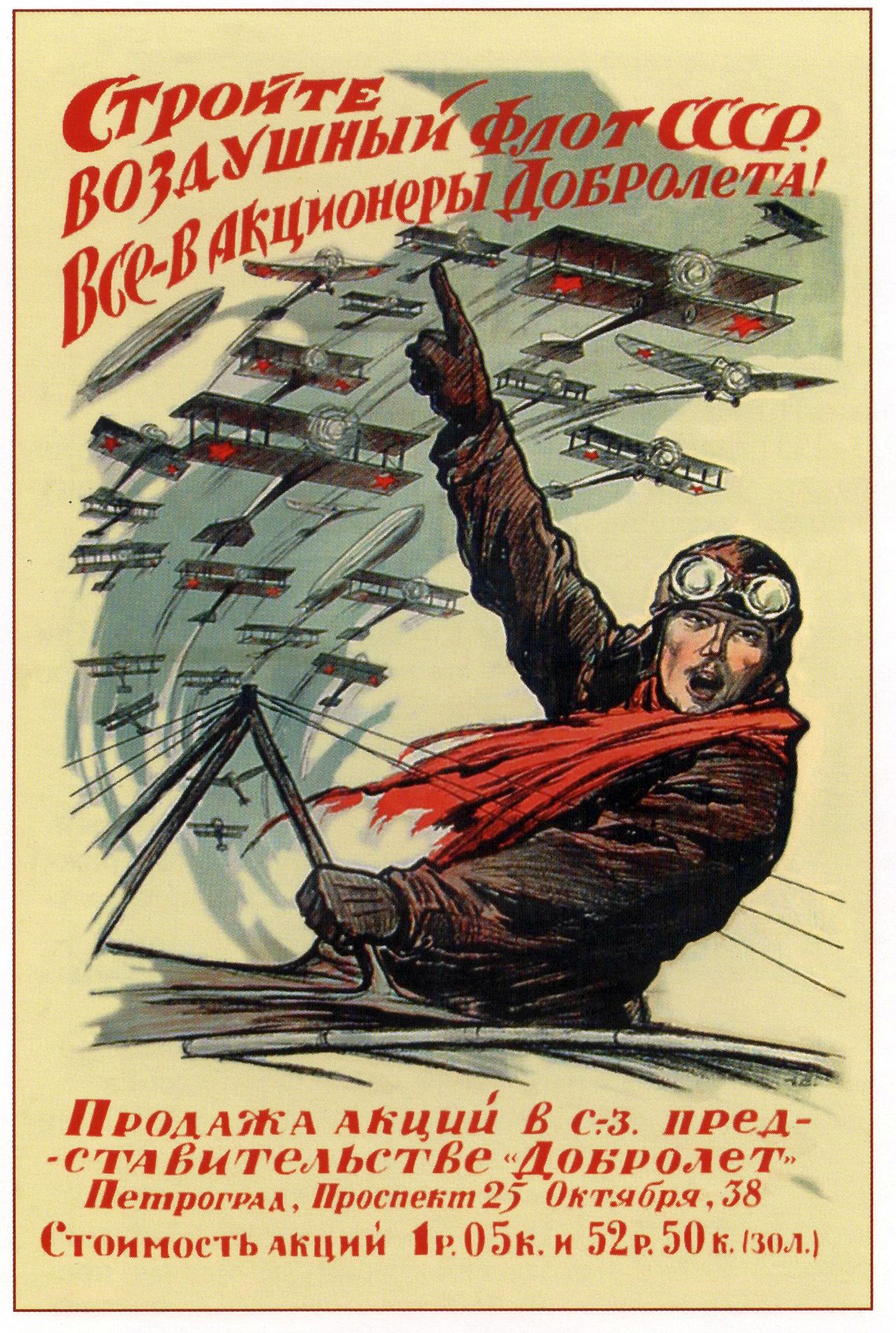
Aeroflot's origins trace to state-organized air services established after World War I. It became the principal civil airline of the Soviet Union, combining passenger, cargo and postal services across a vast territory. Following the end of the Soviet era, the company underwent structural and commercial changes, including partial privatization and reorganization to meet market-era requirements. Today it continues a lineage of continuous airline operations spanning more than a century; for context see background overviews.
Fleet, hubs and routes
The airline's operations center on major Russian hubs and a network connecting cities within Russia and to international destinations. Aeroflot has pursued fleet renewal and modernization programs in recent decades to replace older types with newer, more efficient aircraft. Typical route categories include domestic trunk routes, regional services and long-haul international flights serving Europe, Asia and beyond.
- Main hub: a principal Moscow airport serves as the operational focus.
- Fleet focus: modernization for fuel efficiency and passenger comfort.
- Services: scheduled passenger, cargo and codeshare partnerships.
As the national carrier, Aeroflot also participates in commercial alliances and cooperative arrangements with other airlines to expand connectivity and coordinate schedules. Information about its current commercial partners and route offerings is available through official channels and public airline guides (official carrier information).
Over its long history Aeroflot has been influential in developing civil aviation in its home country, from early air mail and regional air links to contemporary international services. Its evolution illustrates broader trends in aviation: state-run beginnings, adaptation to market conditions, fleet renewal, and integration into global air transport networks.
Tags
Related articles
Author
AlegsaOnline.com Aeroflot — Russian Flag Carrier and Long-Established Airline Leandro Alegsa
URL: https://en.alegsaonline.com/art/1168
Sources
- sputniknews.com : "Aeroflot Successfully Cooperates With SkyTeam Alliance Despite Sanctions" · webcitation.org
- aeroflot.com : "Company Profile"