
Plantaginaceae — the plantain family
Plantaginaceae is a cosmopolitan family of flowering plants in the order Lamiales. It includes herbaceous species and a few shrubs such as Plantago, Veronica, Penstemon and Digitalis, with horticultural and medicinal roles.
The Plantaginaceae, commonly called the plantain family, are a diverse group of flowering plants placed in the order Lamiales. Members range from small, low-growing herbs to a few subshrubs and woody species. The family is distributed worldwide and occupies habitats from arctic tundra to temperate meadows and dry slopes. For an overview of the group as currently recognized by modern classifications, see Plantaginaceae.
Image gallery
4 Images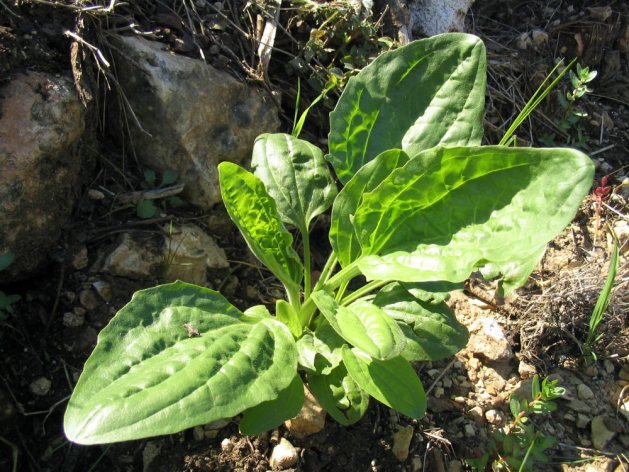


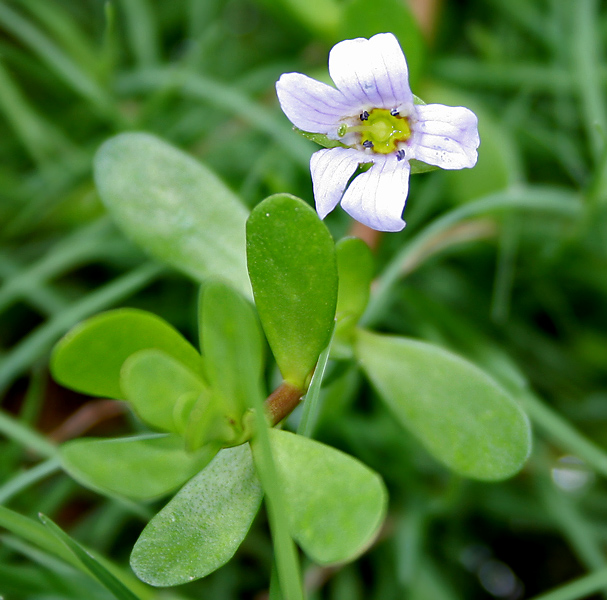
Characteristics
Plants in this family show considerable variation, but some recurring traits help with identification. Leaves are often simple and can be alternate or opposite depending on the genus. Flowers are typically well-integrated into pollination systems: many genera have tubular or bilabiate corollas adapted to bees, butterflies or hummingbirds, while others bear small, inconspicuous blooms. Fruits are usually capsules containing multiple seeds.
Taxonomy and history
Historically the name Plantaginaceae applied to a small group centered on the genus Plantago. With the advent of molecular phylogenetics, several genera formerly placed in the Scrophulariaceae and related families were reassigned, producing a much larger, monophyletic Plantaginaceae. This rearrangement is one of the better-known examples of how DNA-based studies changed flowering-plant classification in recent decades; the expanded family now unites a range of forms that share evolutionary ancestry rather than obvious morphological uniformity. For background on classification changes see related resources.
Notable genera and diversity
- Veronica — the largest genus in the family with roughly four hundred to five hundred species, often called speedwells.
- Plantago — plantains, known for basal rosettes of leaves and seeds that disperse readily.
- Digitalis — foxgloves, famous for cardiac glycosides with medical applications.
- Penstemon — a mostly North American group of showy tubular flowers popular in gardens.
Uses and ecological importance
Several Plantaginaceae species have direct human uses. Digitalis provided drugs once important in treating heart conditions; Plantago species have traditional uses in folk medicine and as edible greens. Many genera are valuable in horticulture for their flowers, while others are important nectar sources for pollinators. Some members can be common weeds in disturbed habitats, demonstrating the family’s ecological adaptability.
In summary, Plantaginaceae today represents a broadly defined, cosmopolitan family notable for its taxonomic reshaping, varied floral forms and practical importance in medicine, gardening and ecosystems.
Related articles
Author
AlegsaOnline.com Plantaginaceae — the plantain family Leandro Alegsa
URL: https://en.alegsaonline.com/art/77293