
Planthopper (Fulgoromorpha): appearance, life cycle, ecology, and importance
Planthoppers are sap-feeding insects in the infraorder Fulgoromorpha. This article summarizes their biology, distinctive features, worldwide diversity, ecological roles and relevance as disease vectors.
Overview
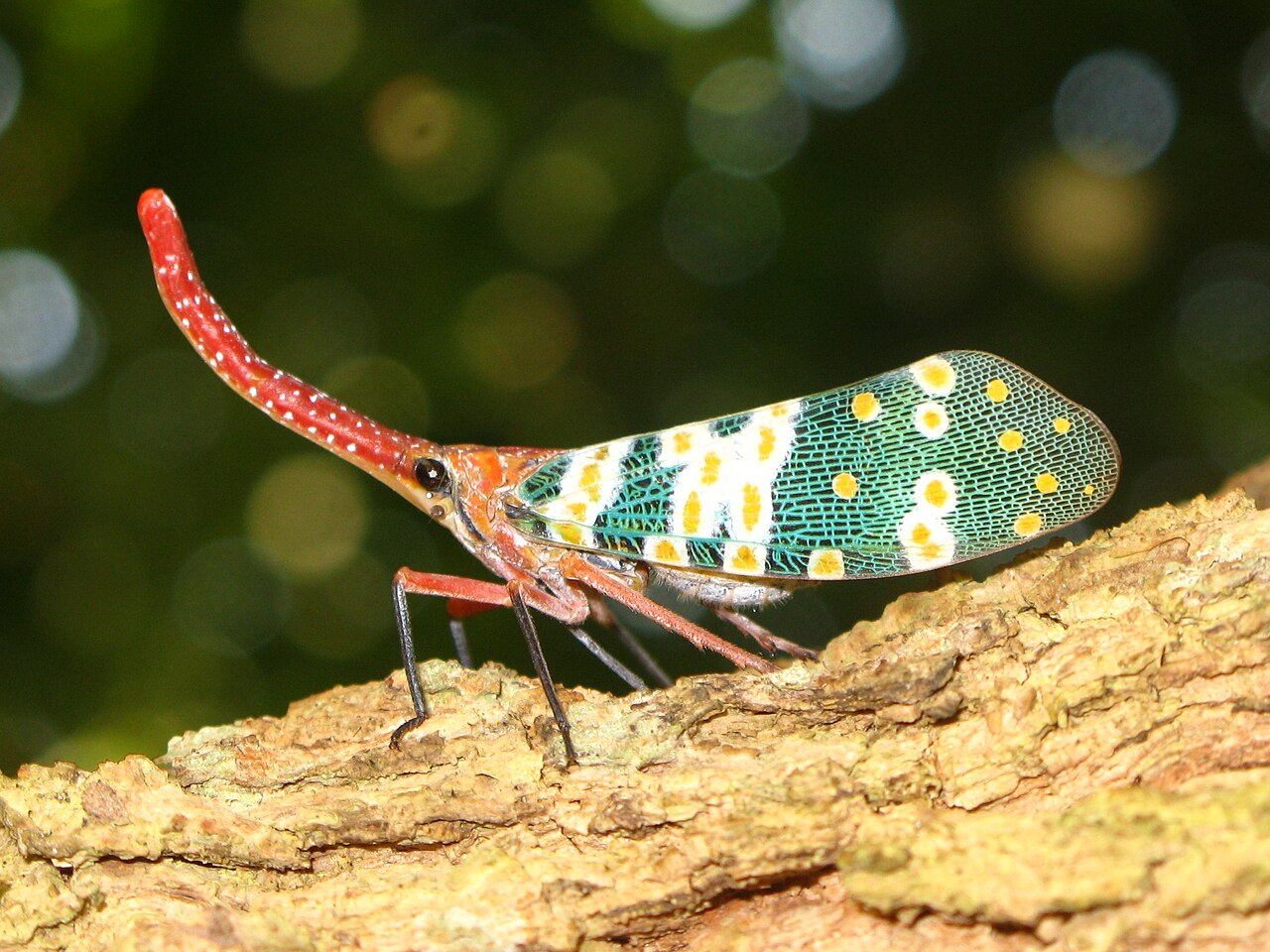
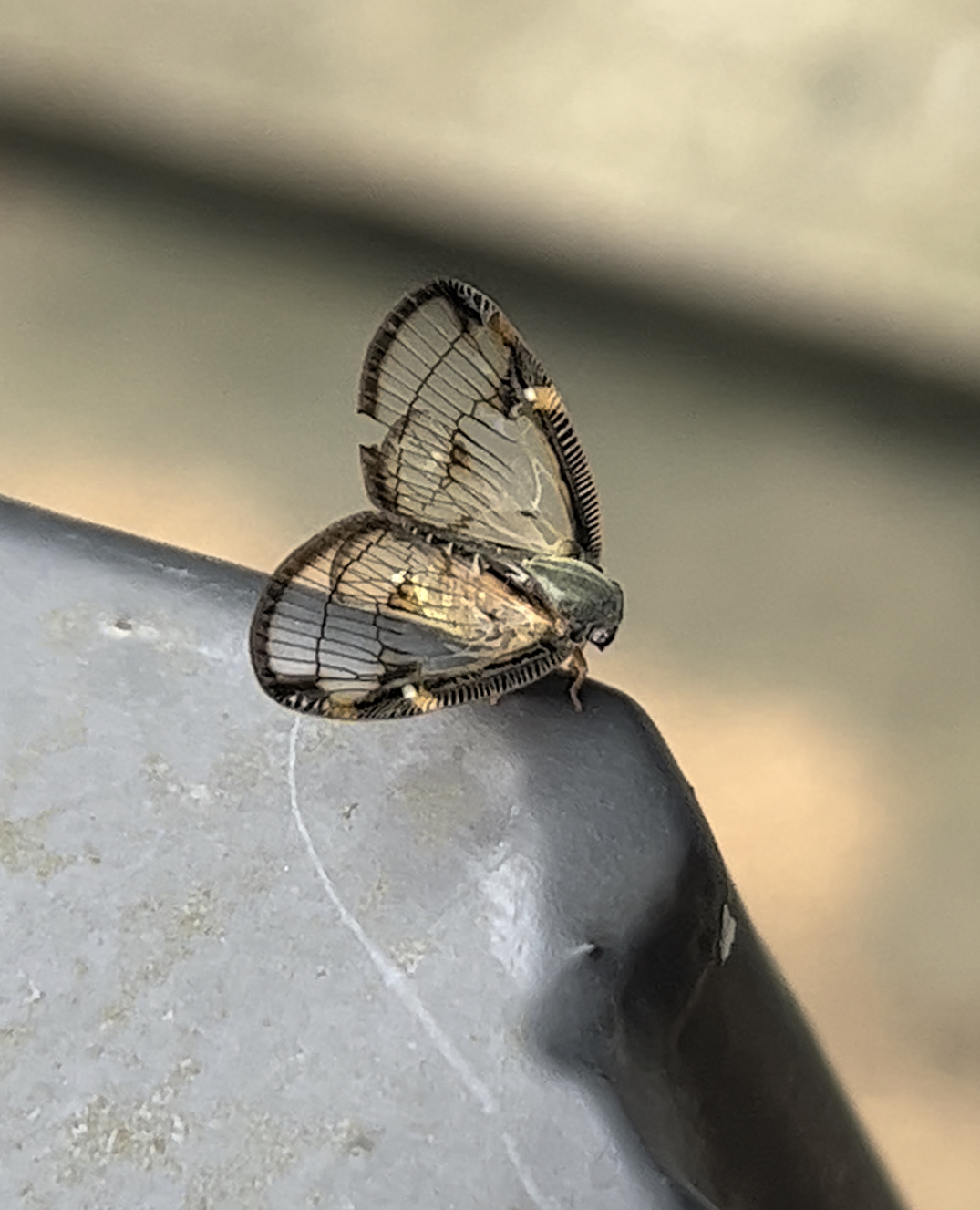
Planthoppers are a diverse group of sap-feeding insects placed in the infraorder Fulgoromorpha, within the true bugs (order Hemiptera). More than 12,500 species have been described worldwide, occupying a broad range of habitats from tropical forests to temperate grasslands. Although many species are small and easily overlooked, planthoppers can be abundant on particular host plants and play clear roles in terrestrial ecosystems.
Image gallery
10 Images





Physical characteristics
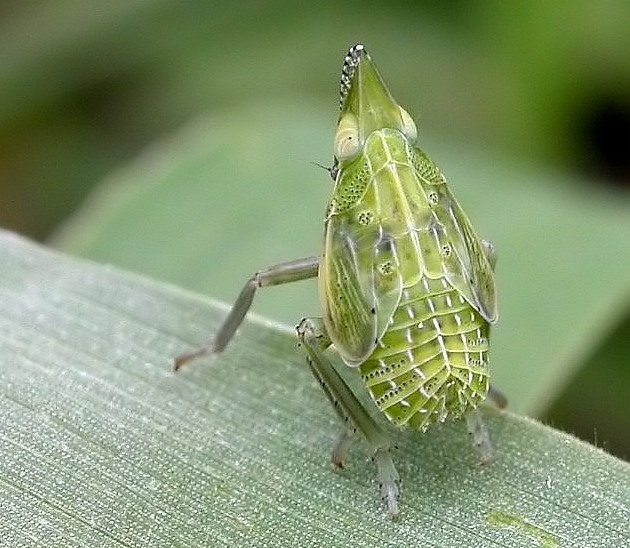
Members of this group share several traits typical of sap-feeding hemipterans. They possess piercing-sucking mouthparts (a beak or rostrum) adapted to tap plant tissues and extract phloem or xylem fluids. Body shapes and colors vary widely: many species are cryptically colored and shaped so they resemble leaves, twigs or other plant parts, an adaptation that reduces predation. Some nymphs and adults produce waxy secretions or filamentous coverings that can help conceal them from predators and parasites. Adults typically have well-developed hind legs for jumping and one or two pairs of wings, though wing shape and size vary by family and species.
Life cycle and behaviour
Planthoppers are hemimetabolous, meaning they undergo incomplete metamorphosis. Eggs hatch into nymphs that resemble adults but lack fully formed wings; successive molts produce larger nymphal stages until the adult form appears. Nymphs of many planthopper species show remarkable adaptations: one notable discovery is a mechanical gear-like structure at the base of the hind legs in certain species, which synchronizes leg movement and helps produce precise, powerful jumps. Adults may walk slowly or make sudden hops to escape threats, a locomotion style commonly compared with that of grasshoppers.
Ecology and economic importance
Planthoppers are plant feeders and obtain nutrients from plant sap. While most species have little direct economic impact, a minority are agricultural pests. More importantly, some planthoppers act as vectors of plant pathogens. They can transmit bacteria and other microbes when feeding; for example, phytoplasmas—bacteria-like organisms that colonize the plant phloem—may be spread by planthopper feeding. This transmission process is tied to their feeding on plant vascular tissues such as the phloem, and those disease relationships are a key reason planthoppers are studied in plant protection research. For more on the role of planthoppers in disease ecology see vector biology references.
Taxonomy, diversity and distinctions
Taxonomists divide planthoppers into multiple families and thousands of species distinguished by wing venation, head structure and other morphological characters. They are related to other hemipterans such as leafhoppers and cicadas but are recognized as a distinct infraorder. Their global diversity reflects long evolutionary history and many specialized plant associations. Useful resources for classification and identification include regional keys and online databases maintained by entomological institutions (mimicry and identification resources, behavioral studies).
Notable facts and research interest
- The gear mechanism found in some nymphs is one of the few examples of a mechanical gearing system in animals and has been of interest to biomechanical research.
- Because some species transmit crop pathogens, planthoppers are monitored in integrated pest management programs and studied for their interactions with host plants and natural enemies.
- Many species exhibit striking mimicry and camouflage, making them subjects of ecological and evolutionary studies of predator-prey interactions.
Together, these features make planthoppers an important and intriguing group for entomologists, ecologists and agricultural scientists alike. For further reading and identification tools consult the cited resources and regional entomological guides (Fulgoromorpha overview, disease-vector studies).
Questions and answers
Q: What are planthoppers?
A: Planthoppers are insects belonging to the infraorder Fulgoromorpha with over 12,500 described species, and they are true bugs with body shapes and colors resembling leaves and plant parts in their environment.
Q: How do planthoppers move?
A: Planthoppers move slowly or hop like grasshoppers.
Q: What do planthoppers feed on?
A: Planthoppers are plant-feeders and live worldwide.
Q: Are planthoppers pests?
A: Few planthoppers are pests, but some can be vectors for plant diseases.
Q: How do planthoppers transmit plant diseases?
A: Planthoppers can transmit phytoplasmas, which live in the phloem of plants, when feeding.
Q: What unique biological gear mechanism do planthoppers' nymphs have?
A: Planthoppers' nymphs have a biological gear mechanism at the base of their hind legs that keeps their legs in synchrony when jumping.
Q: What is the scientific name of the group that planthoppers belong to?
A: Planthoppers belong to the infraorder Fulgoromorpha.
Related articles
Author
AlegsaOnline.com Planthopper (Fulgoromorpha): appearance, life cycle, ecology, and importance Leandro Alegsa
URL: https://en.alegsaonline.com/art/77300
Sources
- books.google.com : Hitchcock and the making Of Marnie