
Pisanosaurus — Early ornithischian from the Late Triassic of South America
Pisanosaurus mertii is a small, Late Triassic reptile from Argentina, known from a single partial skeleton. It has been described as the earliest ornithischian but its exact relationships remain debated.
Pisanosaurus (meaning "Pisano lizard") is a little-known reptile from the Upper (Late) Triassic of what is now South America. The genus contains a single named species, Pisanosaurus mertii, described in 1967 by the Argentine paleontologist Rodolfo Casamiquela. The animal is usually reconstructed as a small, bipedal herbivore and has been regarded by many researchers as the oldest known member of the ornithischian lineage, although its placement is not universally accepted.
Image gallery
10 Images


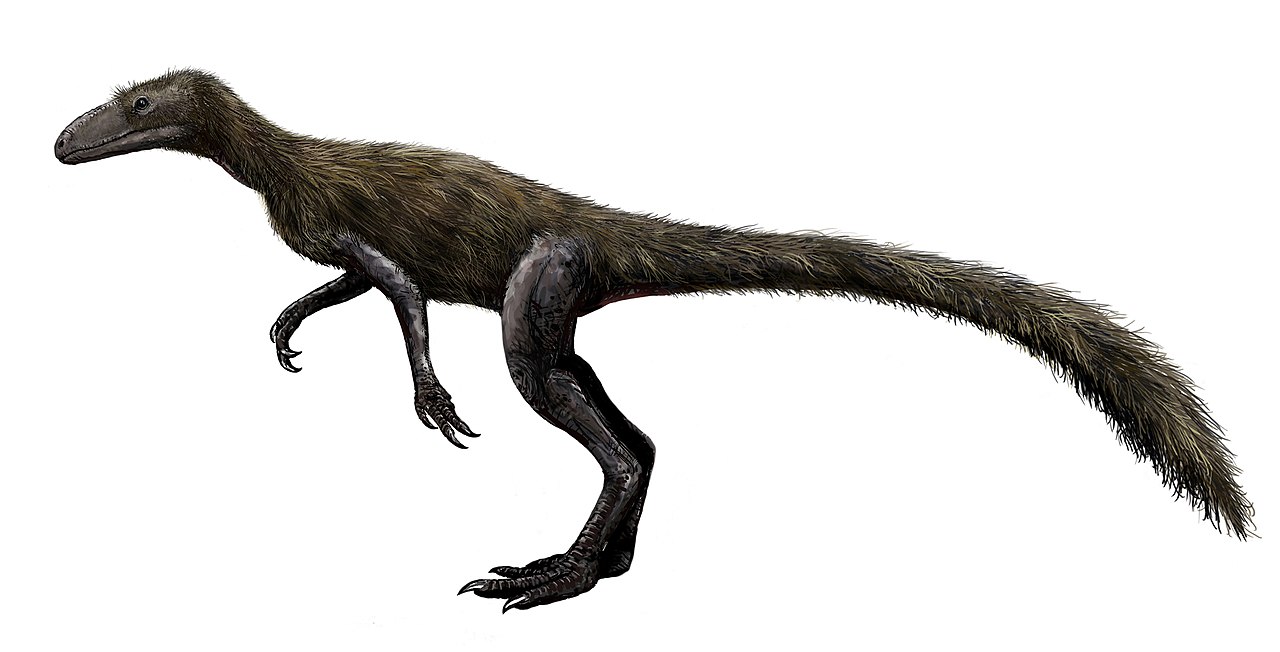


Anatomy and diagnostic features
The holotype is a partial skeleton: fragmentary jaws with teeth, a few vertebrae, portions of the pelvis and some hindlimb bones. Because the material is incomplete, interpretations depend on a handful of characters preserved in those elements. Several traits cited in descriptions include small, leaf-shaped cheek teeth that suggest a plant-eating diet and relatively gracile hindlimbs consistent with bipedal locomotion. Reconstructions typically estimate an overall length of under one to one and a half metres.
Classification and scientific debate
Pisanosaurus has traditionally been placed at the base of the ornithischian clade and often appears in lists as the earliest known ornithischian dinosaur. More recent phylogenetic analyses, however, have sometimes recovered it outside true dinosaurs, among dinosauriform relatives such as silesaurids. The disagreement stems largely from the fragmentary nature of the specimen and the fact that several key distinguishing bones are missing or damaged. As a result, Pisanosaurus is frequently cited in discussions about the origin and early evolution of herbivorous dinosaurs and dinosauriforms (research summaries).
Discovery and geological context
The remains were recovered from Upper Triassic strata in Argentina and were described in the late 1960s. The deposits where it was found are part of the rich Triassic vertebrate-bearing sequences of South America that also produced other early dinosaurs and dinosaur relatives. Its age places Pisanosaurus among the earliest members of the wider dinosaur and dinosauromorph radiation, making it important for biogeographic and evolutionary studies (formation reports).
Importance and limitations
Pisanosaurus is important because, if it is a true ornithischian, it provides a minimum age for the origin of that major dinosaur group and offers clues about early herbivory and locomotor evolution. At the same time, the limited and weathered nature of the type material constrains confident statements: additional, better-preserved specimens would be necessary to resolve debates about its anatomy and relationships. For accessible overviews of Pisanosaurus and its role in Triassic ecosystems see general paleontology resources (overview) and specialized literature (technical reviews).
- Taxon: Pisanosaurus mertii — single species, single known specimen.
- Age: Upper (Late) Triassic; discovered in South American Triassic deposits.
- Diet and stance: interpreted as a small bipedal herbivore based on teeth and limb proportions.
- Significance: potentially the oldest ornithischian, but its exact classification remains debated.
Related articles
Author
AlegsaOnline.com Pisanosaurus — Early ornithischian from the Late Triassic of South America Leandro Alegsa
URL: https://en.alegsaonline.com/art/77091