
Pilgrimage of Grace (1536–1537) — Northern uprising against the Dissolution
A large-scale popular revolt in northern England (1536–1537) protesting Henry VIII’s religious reforms, the Dissolution of the Monasteries, and related political and economic grievances.
Overview
The Pilgrimage of Grace was a major popular uprising that began in October 1536 in and around York and wider Yorkshire in response to religious and administrative changes under King Henry VIII of England. What began as a local protest against the closure of monasteries quickly became a broad movement across northern England, following an earlier related disturbance in Lincolnshire. The uprising combined religious, political and economic complaints and drew thousands of participants from towns, villages and monastic communities.
Image gallery
8 Images


Causes and grievances
The movement was driven by several intertwined causes. Many participants opposed the royal break with Rome and the reforms that reduced the role of the Catholic Church in England. The Dissolution of the Monasteries removed local centres of charity, education and employment, alarming laypeople and clergy alike. Beyond religion, grievances included resentment of new taxes and administrative changes, disputes over land and enclosure, and anger toward advisers such as Thomas Cromwell whose policies were seen as disruptive.
- Religious objections to changes in doctrine and the authority of the king over the church.
- Economic hardship and the social impact of closing monastic houses.
- Political anger at centralizing reforms and perceived abuses by royal agents.
Course of the uprising
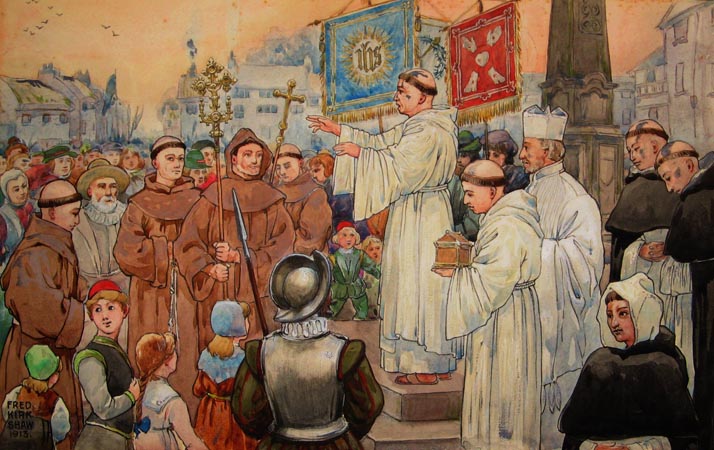
Leadership emerged among local gentry and lay organizers; the lawyer Robert Aske became a prominent spokesman and negotiator who styled the movement as a "pilgrimage" to emphasize its religious character. Rebels seized key towns and garrisoned castles, presenting a formal list of complaints—often called the Pontefract Articles—to royal officials. The crown initially pursued a mixed strategy of negotiation and reassurance: Henry VIII and his ministers offered pardons and concessions to defuse the rebellion, but subsequent events saw many leaders arrested when the government regained control.
Aftermath and significance
Although the rebellion achieved temporary concessions and exposed the depth of northern opposition to religious change, it ultimately failed to halt the Dissolution of the Monasteries or reverse the Reformation in England. The government reasserted royal authority, and several ringleaders were executed after new uprisings or betrayals. In the longer term the Pilgrimage of Grace highlighted the limits of popular resistance under Tudor rule, shaped how the crown administered the north, and became a symbol of conservative Catholic protest in later historical memory.
Notable features and legacy
The Pilgrimage of Grace is notable for combining local and national demands, for its relatively disciplined organization and for the use of negotiated articles to press grievances. It stands as one of the most serious popular challenges to Henry VIII’s policies and illustrates how religious reform, economic pressures and local politics could intersect to produce large-scale social unrest. For further reading and primary documents, consult regional archives and modern histories that examine both the Lincolnshire Rising and the wider northern risings that together form this episode in Tudor history.
See also: the Lincolnshire Rising and the set of rebel demands often termed the Pontefract Articles; leaders such as Robert Aske; and the policies of the Tudor government that precipitated the conflict.
York · Yorkshire · England · Northern England · Lincolnshire
Related articles
Author
AlegsaOnline.com Pilgrimage of Grace (1536–1537) — Northern uprising against the Dissolution Leandro Alegsa
URL: https://en.alegsaonline.com/art/76910