
Popish Plot (1678–1681): fabricated conspiracy and its political fallout
A fabricated 17th-century conspiracy invented by Titus Oates that provoked anti-Catholic panic in England, led to executions and political crisis, and later collapsed when Oates was convicted of perjury.
Overview
The Popish Plot was a fictitious Catholic conspiracy concocted in 1678 by Titus Oates. He alleged a wide-ranging plot to assassinate Charles II and to replace Protestant rule with Catholic authority. Oates's claims produced a wave of public panic, parliamentary reaction and harsh prosecutions that lasted until about 1681. The scare resulted in the execution of many accused men and deepened political divisions that fed the subsequent Exclusion Bill crisis. When investigators and contemporaries exposed contradictions in Oates's narrative, he was ultimately arrested and convicted for perjury.
Image gallery
10 Images




Nature of the allegations
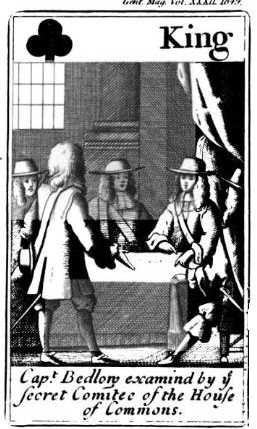
Oates described a complex, organized Catholic plan—often summarized as a Jesuit-led conspiracy—to murder the king and subvert the government. His statements mixed invented documents, dramatic testimony and the names of supposed conspirators. The story appealed to existing Protestant anxieties and found ready ears among some magistrates, politicians and members of the public. Oates’s use of lurid detail and confident assertion lent his accusations a veneer of credibility that masked their unreliability. Many official inquiries accepted his claims at first, in part because of the tense religious and dynastic context of the era.
Context and political consequences
England in the late 17th century was marked by lingering hostility toward Catholicism after the Reformation and by fierce disputes over royal succession. Fear that a Catholic heir or government would reverse Protestant gains made allegations of a Catholic plot especially potent. The Popish Plot intensified efforts in Parliament to prevent a Catholic succession — a struggle that became the Exclusion Bill crisis, which sought to bar the king’s Catholic brother from the throne. The affair thus intertwined religious prejudice with constitutional and party politics.
Trials, victims and public reaction
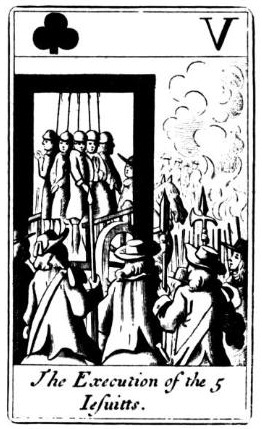
Legal proceedings driven by alarm and testimony from informers led to numerous arrests, trials and executions. Contemporary accounts record that at least fifteen men were executed after being convicted on the basis of the plot allegations; many more were imprisoned, fined or socially ruined. The accusations also provoked mobs, denunciations of priests and religious houses, and pressure on the courts to secure convictions despite shaky evidence.
Collapse, punishment and legacy
As inconsistencies in Oates’s testimony mounted and defense evidence accumulated, confidence in the plot narrative evaporated. Investigations exposed contradictions and instances of fabrication, and Oates was eventually tried for making false statements and perjury. Although punished, the immediate political and human costs proved long-lasting: the episode reinforced sectarian distrust, shaped party alignments, and became a cautionary example of how false allegations can inflame public opinion and subvert justice.
Why the Popish Plot remains significant
- It illustrates how fabricated testimony can trigger legal injustice and political crisis.
- It highlights the fragile mix of religion, propaganda and succession politics in Restoration England.
- Historians use it to study mass hysteria, the limits of evidence in early modern courts, and the social consequences of conspiracy theories.
For further reading on the alleged conspiracy and its consequences, see contemporary records and later historical analyses that trace how a single false narrative reshaped English politics in the short term and left a cautionary legacy thereafter. A basic description of the purported conspiracy and the legal aftermath can be found in many overviews of the period.
Related articles
Author
AlegsaOnline.com Popish Plot (1678–1681): fabricated conspiracy and its political fallout Leandro Alegsa
URL: https://en.alegsaonline.com/art/78105