
Pontiac's War (1763–1766): Native uprising in the Great Lakes and Ohio regions
A concise overview of Pontiac's War, the 1763–1766 Native American uprising against British postwar policies in the Great Lakes, Illinois and Ohio regions, its course and lasting effects.
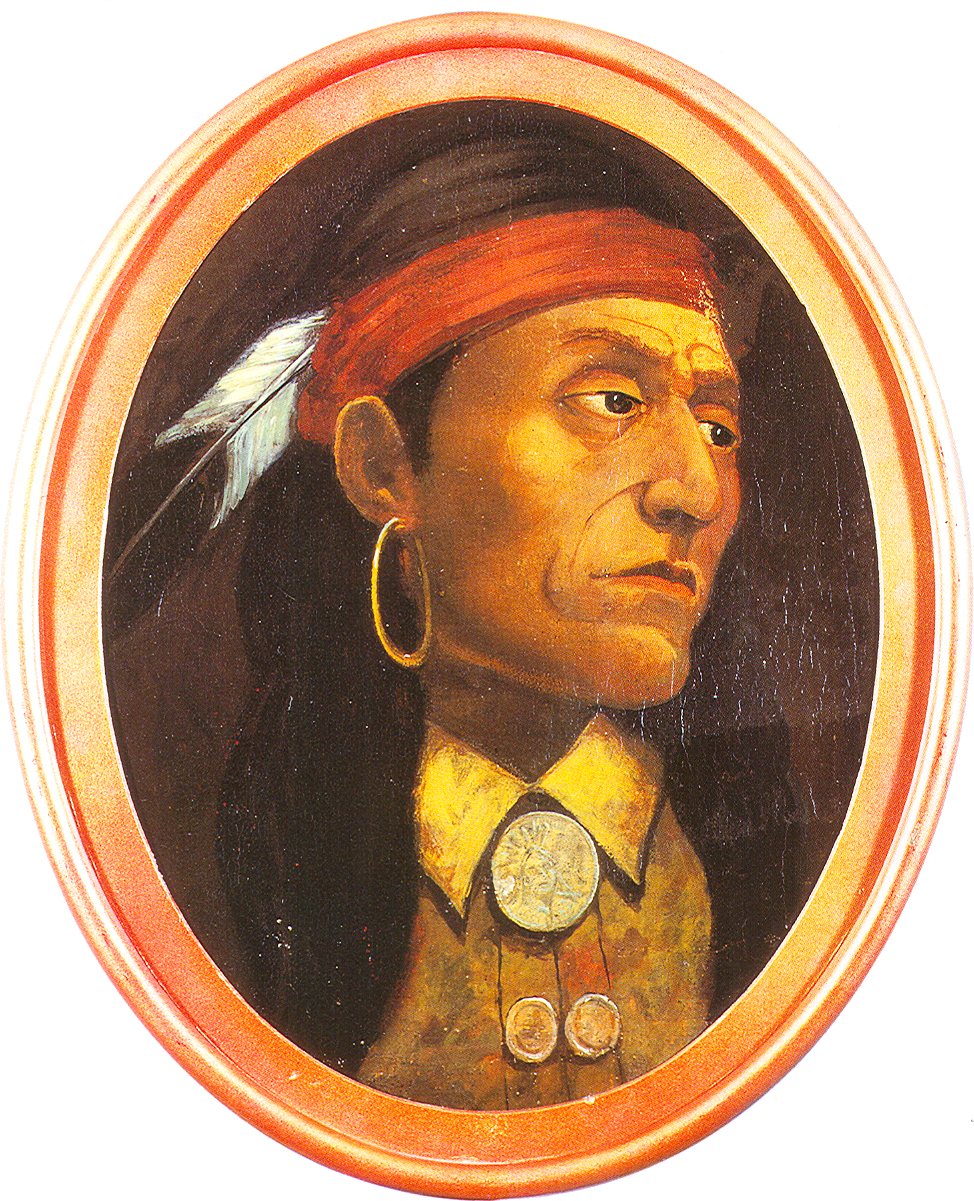
Pontiac's War (also called Pontiac's Rebellion or Pontiac's Conspiracy) was a multi‑tribal Native American uprising that began in 1763 after the end of the French and Indian War. The rebellion involved groups from the Great Lakes basin and neighbouring territories such as the Illinois Country and the Ohio Country. It is conventionally named for the Odawa leader Pontiac, who emerged as a visible organizer and symbol of resistance among many leaders and communities, but the movement was broader than any single chief or band.
Image gallery
9 Images


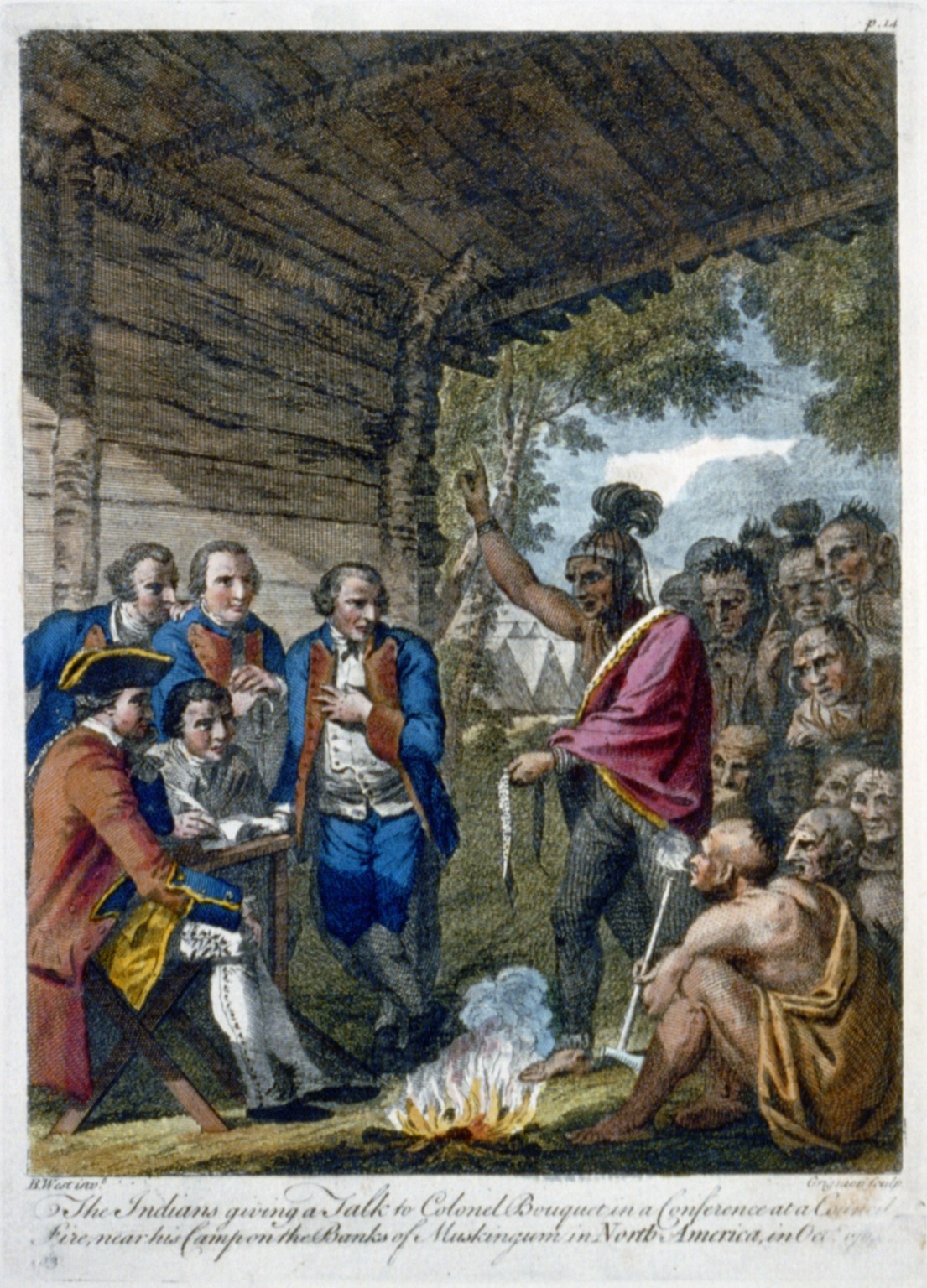


Background and causes
The immediate context for the uprising was the transfer of formerly French-held lands to British control after the British victory in the French and Indian War. Native people across the region experienced abrupt changes in trade relations, diplomacy, and military presence. Many Indigenous communities objected to new British garrison practices, restrictions on trade, the curtailment of traditional gift exchanges, and settler encroachment on hunting grounds. These grievances were compounded by misunderstandings and hostility between British officers and Native diplomats, producing widespread resentment that helped bring diverse groups into coordinated action.
Course of the conflict
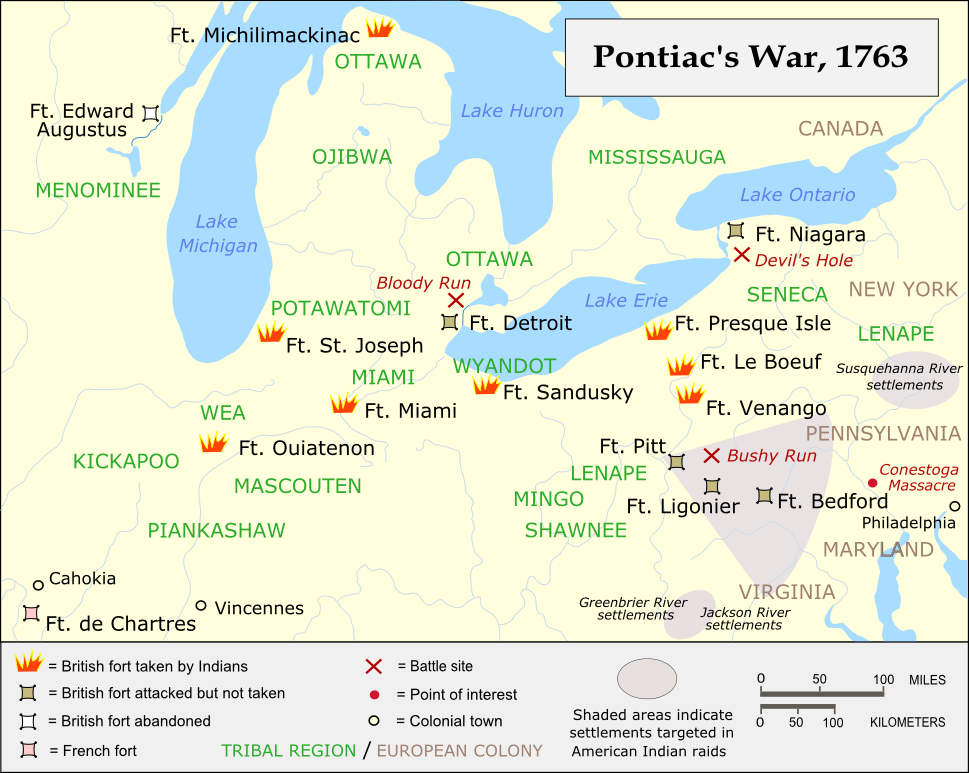
Beginning in spring 1763, coordinated attacks and sieges were launched against British forts, trading posts, and frontier settlements. The uprising combined opportunistic raids with attempts to seize important posts and to force the British to withdraw from the interior. One of the best known episodes was the prolonged effort to capture or neutralize Fort Detroit, where Pontiac himself helped lead a siege; other outposts and communities were also attacked or threatened. Warriors from numerous nations joined the campaign, and Native leaders communicated plans and shared intelligence to increase the chances of success. In turn, British regulars and colonial militia mounted relief operations and counter‑expeditions, seeking to relieve besieged garrisons and punish attackers.
- Key targets and incidents included sieges, surprise captures of frontier posts, and raids on isolated settlements.
- Warfare on the frontier featured brutal reprisals on both sides; prisoners and civilians were sometimes killed or subjected to ritual violence, reflecting deep mutual hostility.
- By 1764–1765 British military expeditions and strengthened garrisons reduced the ability of Native forces to sustain large‑scale sieges.
Participants and leadership
The rebellion was not a single, unified polity but a series of related campaigns that brought together many nations and leaders. While Pontiac became the most visible name in Anglo‑American accounts, other chiefs and spiritual figures played important roles in coordinating resistance and persuading communities to act. The movement drew on preexisting intertribal diplomacy, networks of trade and alliance, and shared concerns about land, trade, and British policy. Colonial-era observers often used the term "conspiracy," but modern scholars emphasize the diversity of motives and local aims across the theatre of conflict. For a concise list of groups and leaders involved, consult contemporary records and tribal histories, which vary by region and perspective.
Consequences and legacy
Although Native forces did not expel the British from the interior, the uprising had important political effects. In the short term it forced the British government to revise some frontier policies and to maintain a stronger military presence in the region. Subsequent negotiations and treaties with particular nations reflected a recognition that metropolitan authorities could not ignore Indigenous claims and interests. The crisis also affected colonial attitudes: settlers resented restrictions on expansion and land purchases that the British sought to enforce in order to stabilize the frontier.
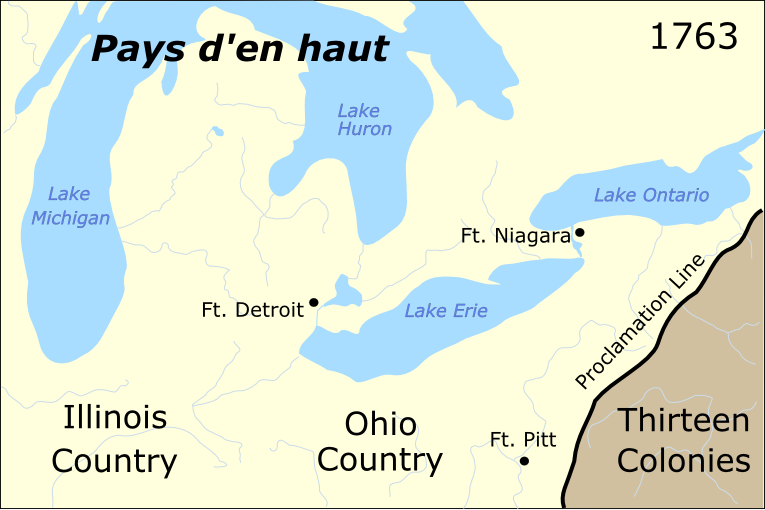
Notable legal and administrative outcomes included a firmer application of the Royal Proclamation of 1763 in certain areas and intensified debate in Britain and the colonies about frontier governance. Some historians argue that the postwar policies and the colonial backlash against restrictions contributed to longer‑term tensions leading toward the American Revolution, though the relationship is complex and contested.
Aftermath and interpretation
Major British army movements and diplomatic efforts in 1764 and the following years helped bring active hostilities to an end; formal peace and local agreements followed a mix of force and negotiation. The conflict remains significant as a demonstration of Indigenous agency after the French defeat, a case study in intertribal coordination, and an event that exposed the limits of British imperial control on the American frontier. It also illustrates how rapid shifts in imperial governance and economic practice can provoke sustained resistance.
For further reading and primary sources, see collections of 18th‑century correspondence, military reports, and Indigenous oral histories; these sources provide different perspectives on leaders, tactics, and the wider meaning of the uprising. Modern treatments sometimes contrast Pontiac's War with other frontier conflicts and examine how it shaped British policy toward Indigenous nations in the later 18th century. Additional background on Native participants and specific engagements appears in specialized regional studies and museum publications.
References in this article link to overview pages and source collections: tribal summaries, accounts of British rule, discussions of the other Native leaders involved, and military descriptions that refer to the role of the British Army during and after the uprising.
Questions and answers
Q: What is Pontiac's War?
A: Pontiac's War (also known as Pontiac's Conspiracy or Pontiac's Rebellion) was an uprising of Native American tribes against English rule in America. A few tribes, mainly from the Great Lakes region, the Illinois Country, and Ohio Country started it in 1763.
Q: What caused the war?
A: The cause of the war was that these tribes were dissatisfied with British poltics in the region. Warriors from other tribes joined the uprising, to help drive the English soldiers and settlers out of the region.
Q: Who led this conflict?
A: The war is named after the Odawa leader Pontiac, who was one of many native leaders in this conflict.
Q: How did hostilities end?
A: Hostilities came to an end after British Army expeditions in 1764 led to peace negotiations over the next two years. Native Americans were unable to drive away the British, but their uprising prompted a change in policies that had provoked them into conflict.
Q: What kind of warfare took place during this conflict?
A: Warfare on the North American frontier was brutal; prisoners were often killed and civilians targeted while other atrocities were widespread.
Q: Was there anything unique about this particular conflict?
A: In this conflict, it showed how little common ground there was between Native Americans and British settlers as ruthlessness and treachery were widespread among both sides.
Q: Was Royal Proclamation issued due to Pontiac's War?
A: Contrary to popular belief, no; The British government did not issue Royal Proclamation of 1763 in reaction to Pontiac's War but because of it clauses relating to Indians were applied more often which proved unpopular with colonists and may have been one of early contributing factors for American Revolution .
Related articles
Author
AlegsaOnline.com Pontiac's War (1763–1766): Native uprising in the Great Lakes and Ohio regions Leandro Alegsa
URL: https://en.alegsaonline.com/art/77991
Sources
- clarke.cmich.edu : "Sir William Johnson Journal in Detroit 1761"