
York: historic walled city in North Yorkshire, England
York is a historic walled city in North Yorkshire, England. Founded by the Romans and later a Viking centre, it is notable for York Minster, preserved medieval streets, museums and a distinct civic identity.
Overview
York is a compact, historic walled city in North Yorkshire, England. It is both a popular heritage destination and a functioning regional centre. The city's population is roughly in the low hundreds of thousands, and it combines residential neighbourhoods, cultural institutions and commercial areas within its medieval boundaries.
Image gallery
10 Images



Origins and historical development
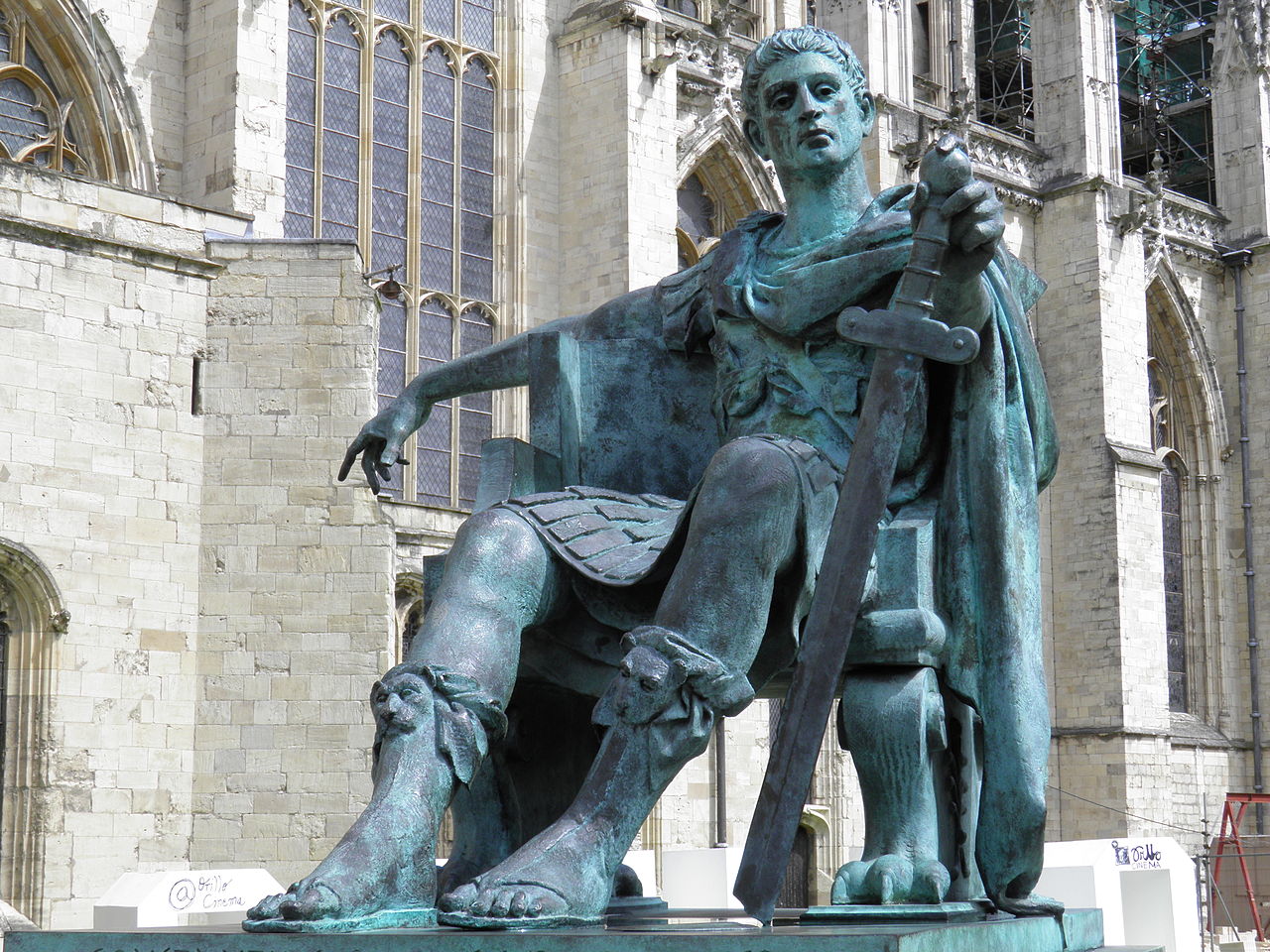
The settlement began as a Roman fortress and town known as Eboracum in the 1st century AD and later became a major centre in the Viking era, when it was called Jorvik. Successive periods of Anglo-Saxon, Viking, Norman and medieval rule shaped York's street plan, churches and defensive works. Its strategic location made it an administrative and military hub through much of early English history.
Character and landmarks
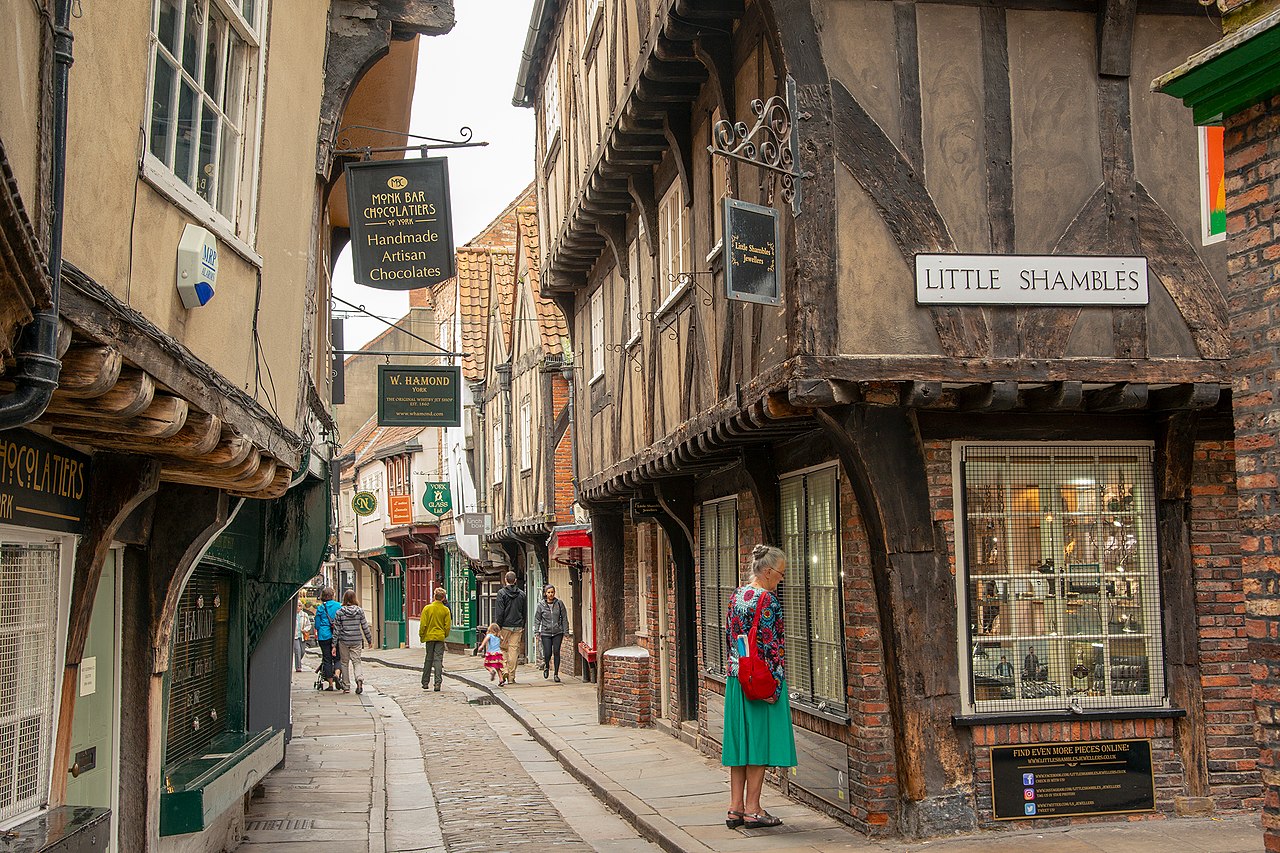
York's most visible features include long stretches of largely intact medieval city walls, the Gothic cathedral of York Minster, narrow timber-framed streets such as the Shambles, and the Norman keep known as Clifford's Tower. The River Ouse runs through the city, adding to its historic character. Many buildings and lanes retain distinctive medieval and later architectural details.
Cultural institutions and attractions
The city hosts a range of museums and heritage sites that interpret its Roman, Viking and medieval past, alongside modern collections. Notable attractions draw visitors interested in archaeology, railway history and local crafts. Festivals, markets and guided walks are part of the city's year-round cultural life, contributing to tourism and local identity.
Government, economy and civic life
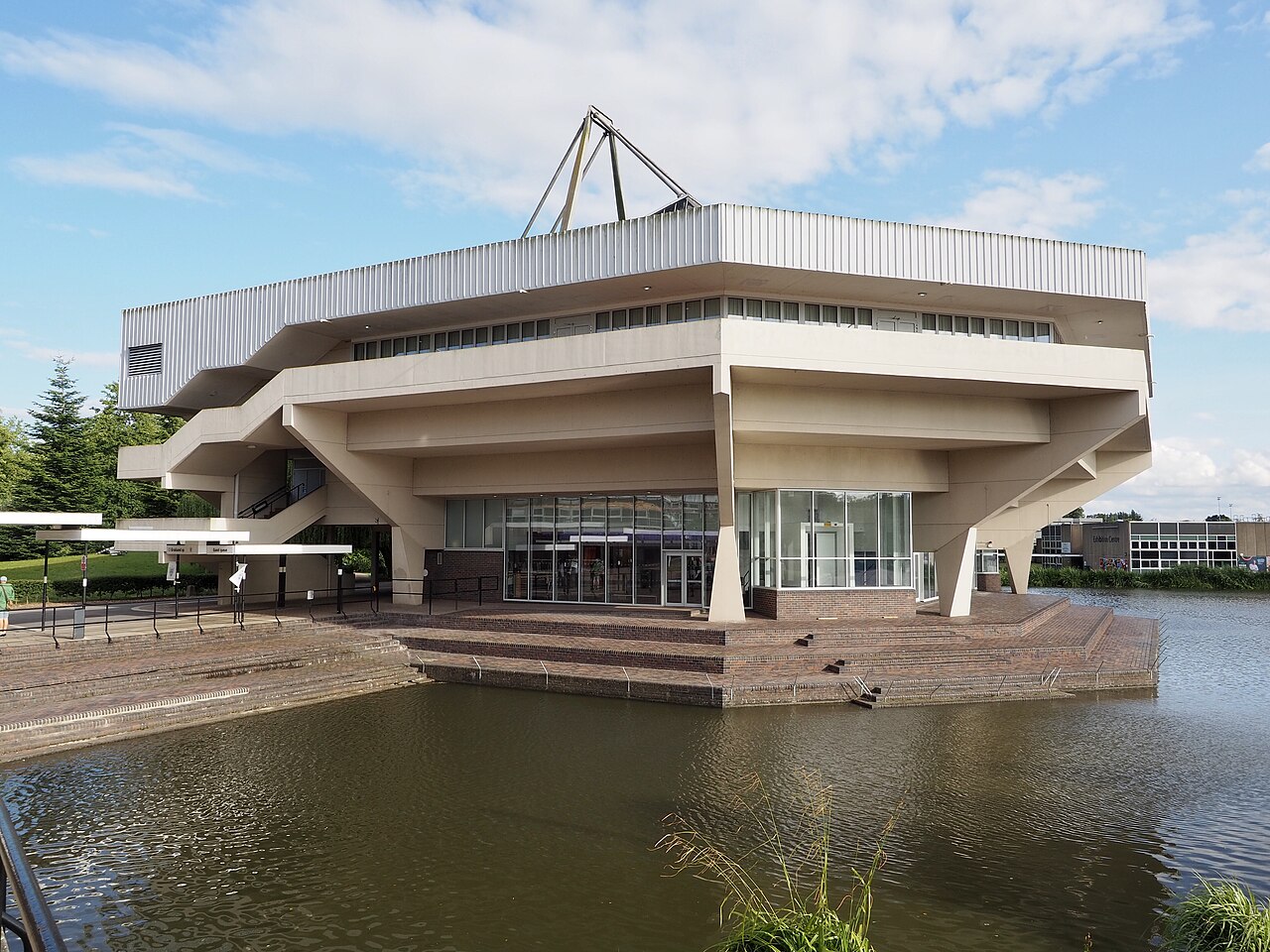
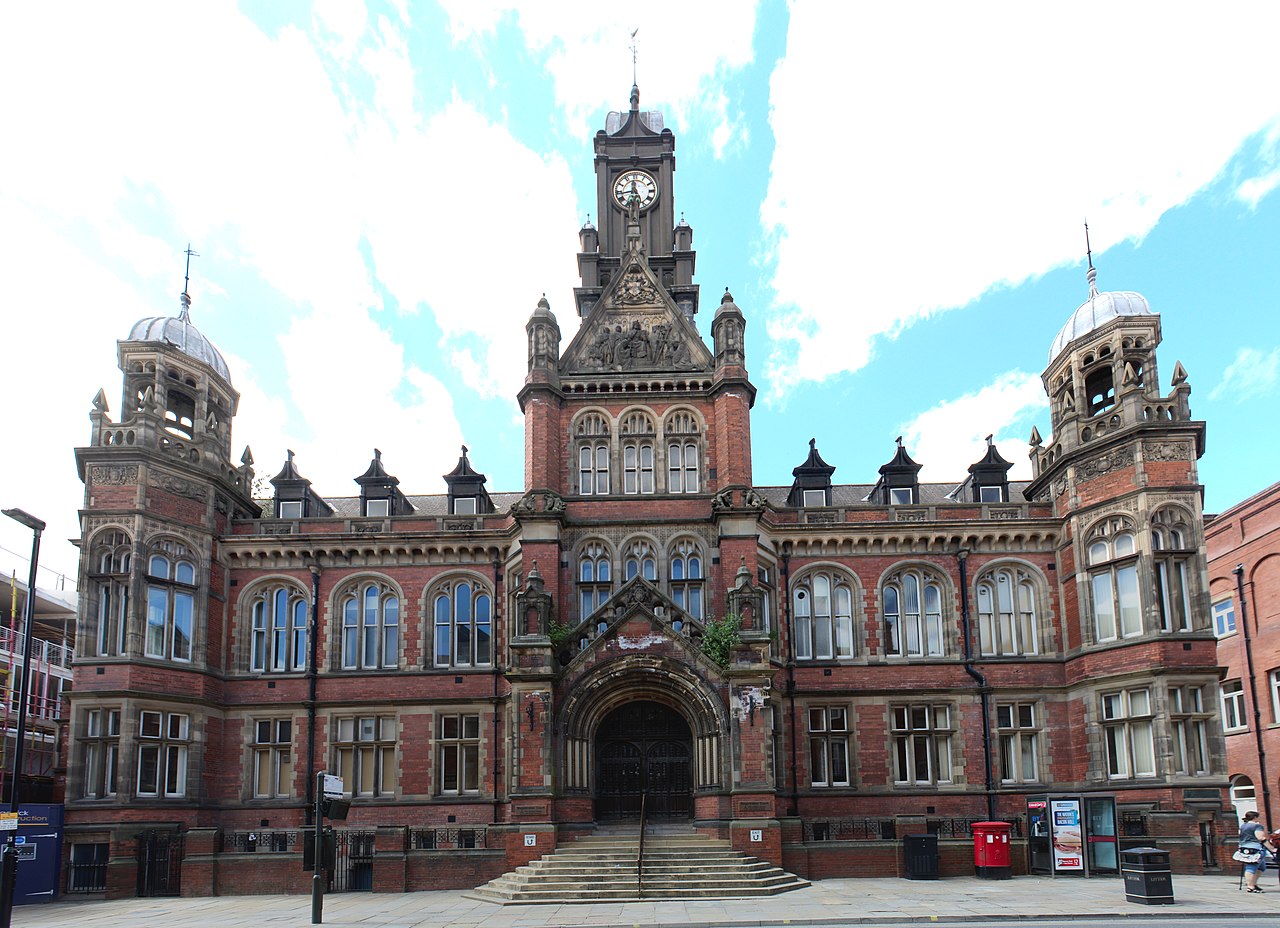
York has evolved administratively over time: it was long regarded as the traditional county town of Yorkshire and today is governed as a unitary authority. It is one of the English cities with a ceremonial Lord Mayor. The local economy combines public services, education, visitor industries and small to medium enterprises; higher education institutions and cultural organisations also play a prominent role.
Notable facts and distinctions
- York's layered history—Roman military origin, Viking settlement and medieval prominence—makes it a focus for archaeologists and historians.
- The city retains an unusually complete medieval circuit of walls and many historic buildings, which underpin conservation efforts and tourism.
- Its civic traditions, visible in offices such as the Lord Mayor, reflect a long-established municipal identity within the English system.
For visitors and residents alike, York offers a concentrated experience of English historical development, with accessible museums, walking routes and a compact urban core that preserves features from several eras of the past.
Questions and answers
Q: What is York?
A: York is a historic walled city in North Yorkshire, England.
Q: What did the Romans call York?
A: The Romans called it Eboracum.
Q: What did the Vikings call York?
A: The Vikings called it Jorvik.
Q: How many people live in York?
A: About 154,000 people live in York.
Q: Was York ever the county town of Yorkshire?
A: Yes, it was the traditional county town of Yorkshire but it is no longer.
Q: Is York still an important city in the Northeast of England?
A: Yes, it is still the most important city in the Northeast of England.
Q: Does York have a Lord Mayor?
A: Yes, it is one of 15 cities in England to have a Lord Mayor.
Related articles
Author
AlegsaOnline.com York: historic walled city in North Yorkshire, England Leandro Alegsa
URL: https://en.alegsaonline.com/art/109954