
Pierre Corneille
French 17th-century dramatist whose tragedies and tragicomedies shaped classical French theatre; best known for Le Cid and for dramatizing conflicts of honor, duty and conscience.
Pierre Corneille (1606–1684) was a leading French playwright of the 17th century whose work helped to define French classical drama. Born in Rouen, he wrote for nearly four decades and explored moral dilemmas, public duty and private passion in dignified, rhetorical verse. Corneille is often named among the founding figures of French tragedy alongside contemporaries such as Molière and Racine.
Image gallery
10 Images


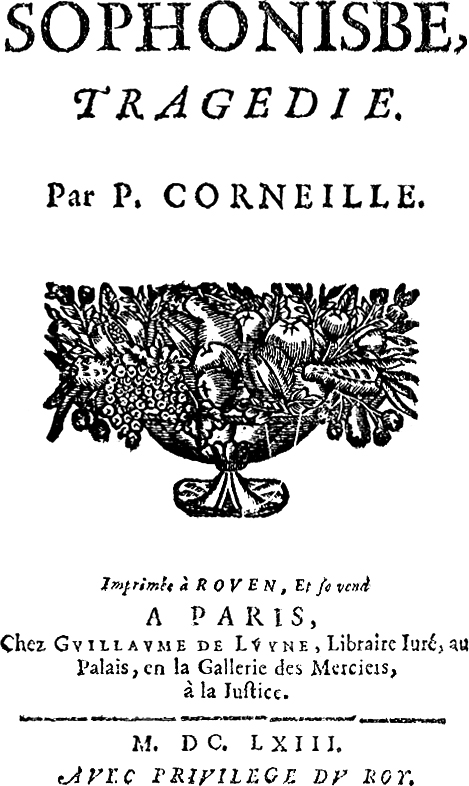


Life and career
Corneille came from a provincial, educated background and trained originally for a civic and legal career in Normandy. Before devoting himself fully to the theatre he held municipal and legal posts in Rouen and moved between provincial life and the Parisian stage as his reputation grew. His productive period ranges from the early 1620s into the 1660s; after that he wrote less frequently but continued to exert influence on drama and literary debate.
Major works and themes
Corneille's most famous plays include Le Cid, Horace, Cinna and Polyeucte, together with a number of comedies and tragicomedies. Le Cid, first produced in the mid-1630s, brought him sudden fame and also public controversy. His dramas commonly stage characters torn between private feeling and public duty, emphasizing honor, sacrifice and tests of conscience. His protagonists are often proud, resolute figures whose decisions pose difficult ethical paradoxes rather than easy resolutions.
Style and theatrical importance
Corneille wrote largely in verse, favoring the elevated alexandrine line and extended rhetorical speeches. He worked within the mental framework of classical theatre—unity of action and an emphasis on bienséance (propriety) and vraisemblance (plausibility)—while sometimes bending those rules to achieve greater emotional or moral effect. The forceful dignity of his language and the moral seriousness of his plots helped establish standards for French tragedy that were debated and emulated by later dramatists.
Controversy and reception
The première of Le Cid provoked the well-known Querelle du Cid, a heated debate about dramatic propriety, the responsibilities of playwrights and the relation of drama to moral instruction. Rival writers and critics contested whether the play respected classical norms and public taste, and the controversy drew official responses from literary authorities of the time. Over subsequent centuries critics have both praised Corneille's rhetorical power and reproached him for occasional excesses; his standing has been reassessed repeatedly but he remains a central figure in the study of French classicism.
Performance history and legacy
Corneille's plays remained in the French repertory from the 17th century onward and have continued to be performed, adapted and translated. Directors and actors have interpreted his verse and dilemmas in many registers, from stage productions faithful to classical conventions to modern reworkings that emphasize psychological realism. His influence on dramatic theory and on later European theatre is visible in how subsequent generations addressed questions of honor, duty and dramatic form.
Further reading and resources
For accessible introductions and primary texts consult biographical summaries and editions of his plays at general biographies and critical collections. Discussions of the Querelle du Cid and its historical context are available at specialist sites and in scholarly surveys; theatrical histories and performance studies can be found via academic resources and library overviews. For information on productions and translations see stage archives, contemporary theatre databases at performance repositories, and comparative essays in literary journals at critical journals. Additional editorial projects, annotated editions and documentary material are accessible through editorial resources and research libraries at special collections.
Related articles
Author
AlegsaOnline.com Pierre Corneille Leandro Alegsa
URL: https://en.alegsaonline.com/art/76803