
Pianosa: a flat island of Tuscany, its landscape, history and legacy
Pianosa is a low-lying island in Italy’s Tuscan Archipelago known for its flat terrain, former high-security prison, protected marine environment and a literary mention in Catch-22.
Pianosa is a small, low-lying island in the Tyrrhenian Sea that forms part of the Tuscan Archipelago. The island covers about 10 km² and reaches only about 22 metres above sea level at its highest point, a characteristic reflected in its Latin-derived name meaning “plain.” Administratively it belongs to the municipal area associated with Elba and lies within the territorial and environmental context of Italy.
Image gallery
8 Images



Geography and environment
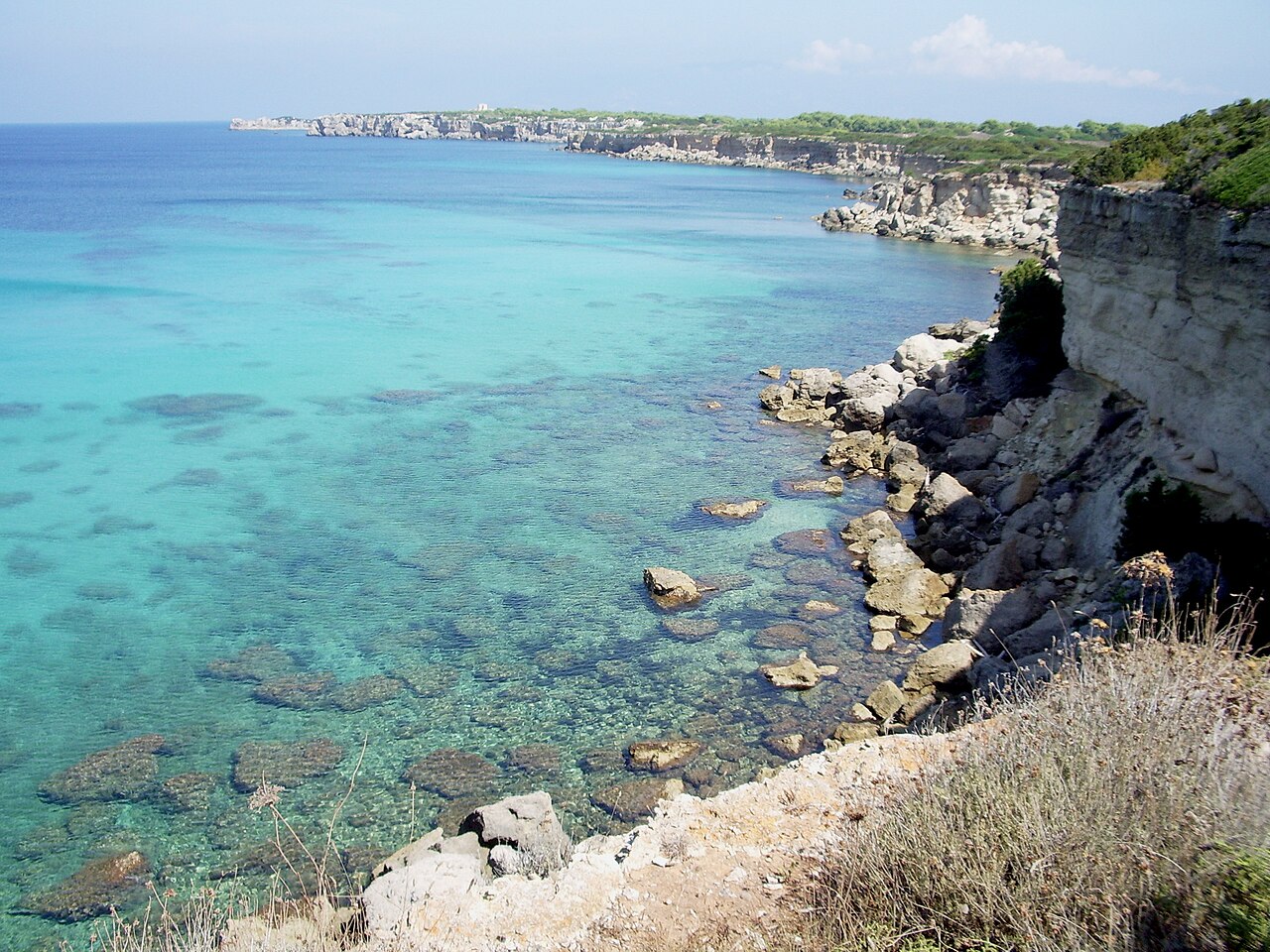
Pianosa’s landscape is unusually flat compared with many neighbouring islands. The coastline alternates between low rocky shores and a few sandy bays, and the surrounding sea is noted for its clarity. Vegetation on the island is typical Mediterranean maquis and garrigue: low shrubs, aromatic plants and seasonal herbaceous cover adapted to dry summers. The seabed around Pianosa supports important habitats, including seagrass meadows and communities of fish and invertebrates that benefit from controlled access and marine protection measures.
History and human use
Human presence on Pianosa has been intermittent through history, principally linked to fishing, grazing and occasional small settlements. In more recent times the island became widely known in Italy as the site of an isolated penal facility. A secure prison on the island housed high-security inmates, including individuals associated with organised crime such as the Mafia, and for decades that role strongly shaped the island’s infrastructure, access rules and public image. Over time the penal function was reduced as conservation and park objectives gained priority, and the island has moved toward management for natural and cultural protection.
Administration and protection
Pianosa is included in the broader park and management schemes for the Tuscan Archipelago. These frameworks aim to balance habitat conservation, archaeological protection and regulated visitor access. Because the island has no permanent civilian population, governance concentrates on environmental monitoring, enforcing visitor limits and maintaining cultural sites. Archaeological traces and historical buildings are managed to preserve their value while avoiding disturbance to sensitive ecosystems.
Visiting Pianosa
Tourism on Pianosa is deliberately limited. Access is normally by boat from larger islands and is subject to seasonal restrictions, guided-visit programmes and rules designed to protect nesting birds and marine habitats. Popular activities under supervision include walking the island trails, observing coastal scenery and snorkelling or diving in permitted zones. Visitors are encouraged to prepare in advance, follow guidance from park authorities and respect rules intended to safeguard both nature and heritage.
Cultural references
Pianosa appears in literature: Joseph Heller used the name for a fictional island in his novel Catch-22, where a U.S. bomber squadron is based on an isolated Mediterranean isle — a setting that evokes aspects of wartime isolation and military life associated with the U.S. Army Air Corps during World War II. Although Heller’s island is a fictionalised place, the shared name has helped fix Pianosa in the cultural imagination as a symbol of remoteness and containment.
Other notes
There is also a much smaller island called Pianosa on Italy’s Adriatic coast; it is a different place and should not be confused with the Tuscan island. Today the Tuscan Pianosa is largely uninhabited, valued for its natural and historical character, and visited under carefully managed conditions to preserve its distinctive flat landscape and the surrounding marine environment.
References and further reading: Area and statistics source, Italy overview, Tuscan Archipelago, Topographic detail, Organised crime and prisons, Elba municipality, Catch-22 (novel), U.S. Army Air Corps, World War II context.
Related articles
Author
AlegsaOnline.com Pianosa: a flat island of Tuscany, its landscape, history and legacy Leandro Alegsa
URL: https://en.alegsaonline.com/art/76700