
Tuscan Archipelago
Chain of islands off western Tuscany, Italy, known for diverse landscapes, island histories (notably Elba), and protection within the Tuscan Archipelago National Park.
Overview
The Tuscan Archipelago is a cluster of islands lying off the western coast of Tuscany in Italy, situated between the Ligurian Sea and the Tyrrhenian Sea. The group includes a mix of inhabited and uninhabited islands that vary widely in size, geology and human history. Collectively they form a distinctive maritime landscape that is valued for both natural diversity and cultural sites.
Image gallery
10 Images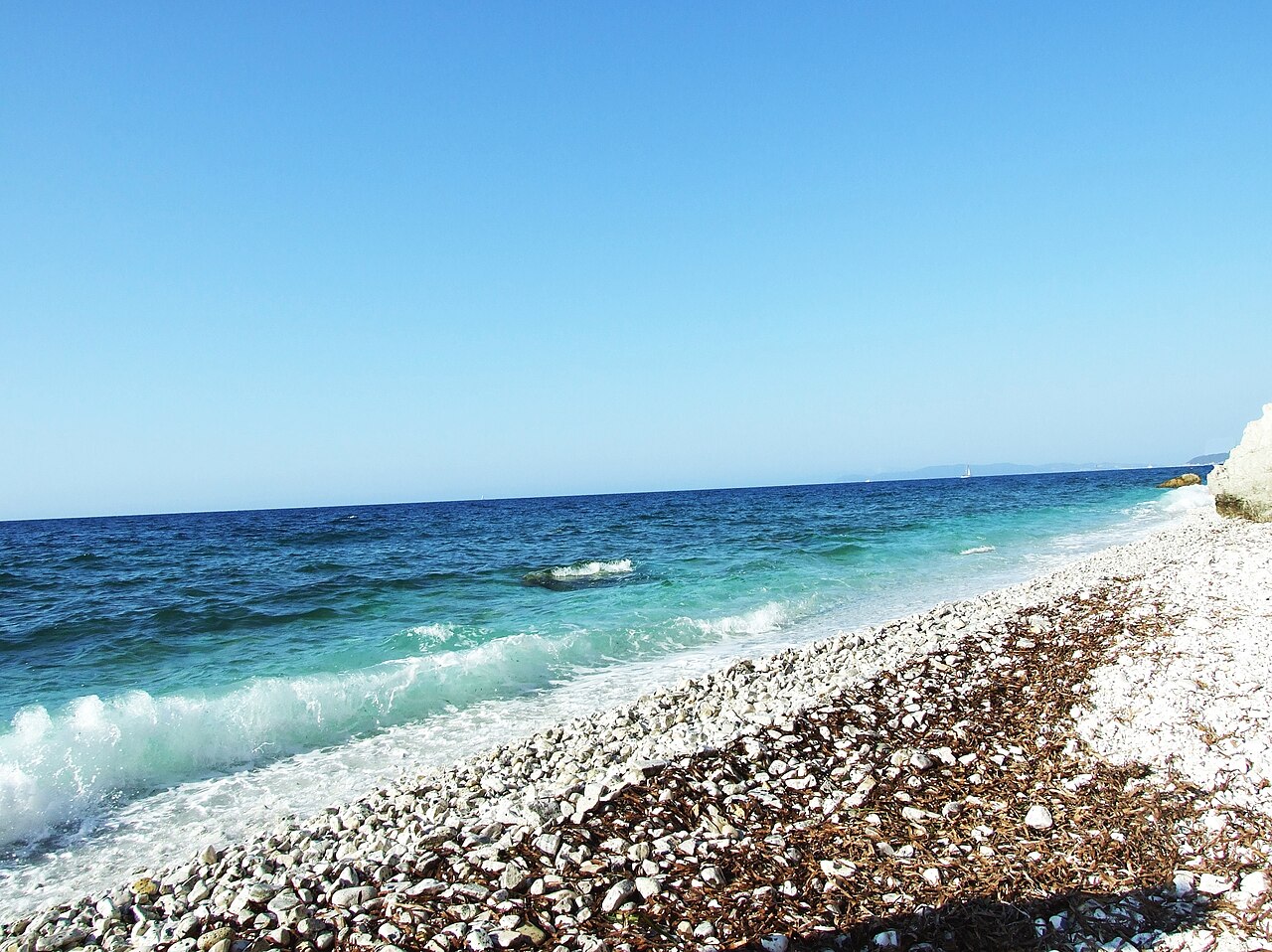




Principal islands and characteristics
The archipelago's better-known islands include Elba, the largest and most populated; and several smaller islands that offer contrasting terrain from flat plains to steep cliffs. Key islands are:
- Elba — the biggest island, with towns, beaches, and a long history of mining and settlement.
- Pianosa — known for its low, largely flat profile and limited habitation.
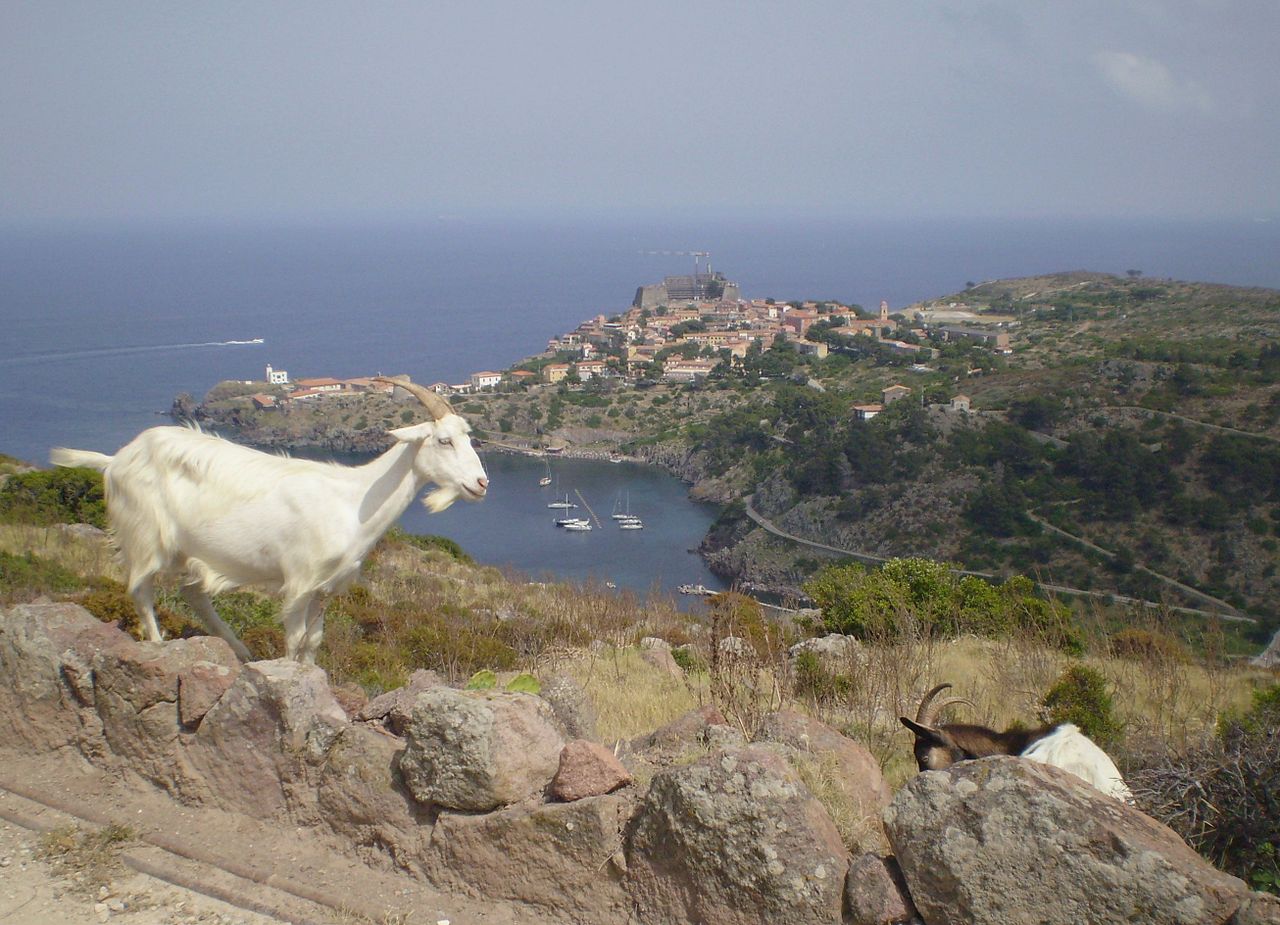
- Capraia — a rugged, more volcanic island favored by hikers and sailors.
- Montecristo — a remote, rocky island often closed to casual visitation and famous in literature.
- Giglio — a scenic island with maritime activities and small settlements.
- Gorgona — a smaller island with a history of human use and restricted zones.
- Giannutri — the southernmost island, noted for its rounded shape and clear waters.
History and cultural notes
The islands have been inhabited or used since ancient times for fishing, trade and resource extraction. Elba is particularly prominent in European history because of its strategic location and historic industries, and it is widely remembered as the place to which a major European leader was briefly exiled in the early 19th century. Montecristo entered popular culture through adventure literature that made the island famous beyond its small size.
Natural environment and protection
Vegetation across the archipelago is typically Mediterranean — aromatic shrubs, woodlands and coastal communities — while the surrounding waters support diverse marine life. Because of these natural values, the islands and adjacent seas are protected under the Tuscan Archipelago National Park, which combines terrestrial and marine conservation measures to safeguard habitats, limit harmful development and manage tourism.
Uses, tourism and access
Today the islands attract visitors for hiking, diving, sailing and heritage tourism. Elba offers the broadest range of services, while other islands limit access to preserve wildlife and fragile landscapes; some permit only guided visits or require permits. Traditional activities such as small-scale fishing and agriculture persist alongside tourism, and local authorities focus on balancing economic benefits with environmental protection.
Notable distinctions
The Tuscan Archipelago stands out for the contrast between its larger, settled islands and the more remote, strictly protected islets. Several islands have inspired literature and history, and the area's marine corridors are important for migratory species. Management of the archipelago is an example of combining cultural heritage, recreational use and conservation in a Mediterranean island context.
Questions and answers
Q: Where is the Tuscan Archipelago located?
A: The Tuscan Archipelago is located in between the Ligurian Sea and Tyrrhenian Sea, west of Tuscany, Italy.
Q: What islands are part of the Tuscan Archipelago?
A: The islands of Elba (the largest island of the group), Pianosa, Capraia, Montecristo, Giglio, Gorgona, and Giannutri are all part of the Tuscan Archipelago.
Q: What is the largest island in the Tuscan Archipelago?
A: The largest island in the Tuscan Archipelago is Elba.
Q: Are the islands of the Tuscan Archipelago protected?
A: Yes, all of the islands in the Tuscan Archipelago are protected as part of the Tuscan Archipelago National Park.
Q: Can visitors access the islands of the Tuscan Archipelago?
A: Yes, visitors can access the islands of the Tuscan Archipelago.
Q: What is the purpose of the Tuscan Archipelago National Park?
A: The purpose of the Tuscan Archipelago National Park is to protect the islands and their natural beauty and promote sustainable tourism.
Q: How many islands are in the Tuscan Archipelago?
A: There are seven islands in the Tuscan Archipelago.
Related articles
Author
AlegsaOnline.com Tuscan Archipelago Leandro Alegsa
URL: https://en.alegsaonline.com/art/102156