
Mafia (organized crime)
A general overview of the Mafia: origins, structure, typical activities, global spread, effects on society, and law-enforcement responses.
The term "Mafia" refers to a set of organized criminal groups that share certain patterns of structure, business practices and culture. Originating on the island of Italy, these networks evolved from local protection rackets and secret societies into transnational criminal enterprises over the past two centuries. While the word is often used broadly, it most commonly evokes the Sicilian tradition and related groups that operate through family-like cells, patronage and private codes of behavior.
Image gallery
3 Images
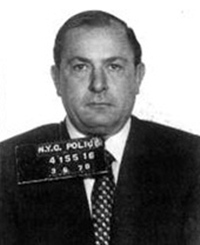

Structure and characteristics
Mafia groups tend to organize around a chain of command, with leaders, lieutenants and foot soldiers. Decision-making is typically concentrated in a small leadership circle, while day-to-day criminal operations are delegated to trusted subordinates. A common cultural feature is the emphasis on secrecy and noncooperation with outsiders, sometimes described by the Italian term "omertà." Internal discipline, initiation rituals and family ties are also important in sustaining long-term cohesion.
Common activities
These organizations generate revenue through a mixture of illegal and semi-legal activities, often reinvesting profits into legitimate businesses to launder funds and extend influence. Typical activities include:
- Drug trafficking and distribution chains;
- Extortion, protection rackets and loan-sharking;
- Money laundering through front companies and real estate;
- Illegal gambling, fraud and contraband;
- Prostitution and human trafficking, where applicable.
History and regional variants
Roots of the phenomenon date to rural and urban Sicily in the late 18th and early 19th centuries, and similar models later appeared in other Italian regions. Distinct groups—commonly named Cosa Nostra (Sicily), the Camorra (Campania), the 'Ndrangheta (Calabria) and the Sacra Corona Unita (Apulia)—have different traditions, organization styles and geographic bases. Migration and globalization carried these models abroad, where local conditions produced new networks and alliances.
Impact and responses
Mafia activity imposes social and economic costs: violence, corruption, weakened institutions and distorted markets. Governments and international agencies use criminal investigations, asset forfeiture, witness protection and special legislation to dismantle networks. High-profile prosecutions and investigative journalism have reduced the reach of some groups, but organized crime adapts by diversifying activities and exploiting porous financial and regulatory systems.
Beyond law enforcement, the Mafia has left a strong mark on culture and public imagination—appearing in literature, film and political debate—and continues to be a subject of study for criminologists, historians and policymakers seeking durable responses to organized crime.
Questions and answers
Q: What is the Mafia?
A: The Mafia is an organized crime group that operates in many parts of the world.
Q: When was the Mafia created?
A: The Mafia was created in Italy more than 200 years ago.
Q: How does the Mafia make money?
A: The Mafia makes money through various illegal activities such as drug trafficking, money laundering, theft, prostitution, and gambling.
Q: How much money does the Mafia make in a year?
A: The Mafia makes billions of dollars a year through their criminal activities.
Q: What kind of illegal drugs does the Mafia make and sell?
A: The Mafia makes and sells various illegal drugs, such as cocaine, heroin, and methamphetamine.
Q: What is money laundering?
A: Money laundering is the process of making illegal money appear as if it came from a legitimate source.
Q: How does the Mafia engage in prostitution?
A: The Mafia engages in prostitution by controlling and profiting from the sex trade industry. They often use violence and intimidation to maintain their control.
Related articles
Author
AlegsaOnline.com Mafia (organized crime) Leandro Alegsa
URL: https://en.alegsaonline.com/art/60547
Sources
- news.bbc.co.uk : "Mafia's 'Ten Commandments' found"
- telegraph.co.uk : "Revealed: Ten Commandments of the Mafia"