
Photographic filter: types, uses, history, and practical guidance
An overview of photographic filters: what they are, common types (UV, polarizing, ND, color, diffusion, close‑up), materials, mounting, uses in film and digital photography, and buying/maintenance tips.
A photographic filter is a small optical element placed in front of, behind, or near a camera lens to selectively modify the light that reaches the film or sensor. Filters can alter color balance, reduce or increase light intensity, control reflections, soften detail, or protect the front element. They range from simple clear protectors to specialized glass or resin plates used for creative and corrective effects. For a concise definition see optical element and for basic photographic context see photography.
Image gallery
10 Images


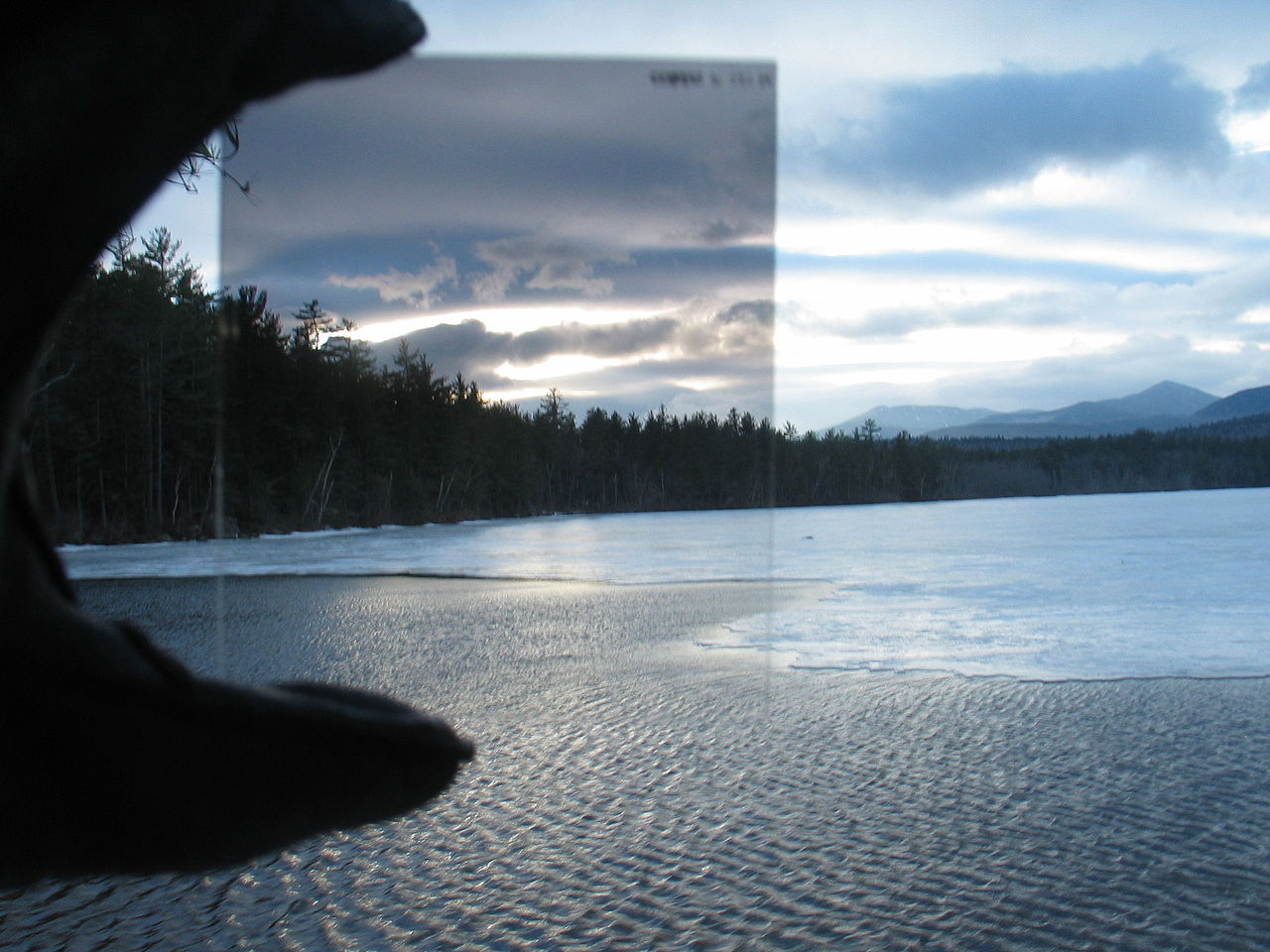


Common types and primary functions
- Clear and protective filters — basic glass or plastic layers protect the lens surface from dust, moisture and impacts; often left on as an inexpensive safeguard.
- UV and haze filters — reduce ultraviolet light to lessen atmospheric haze; strong UV filters can slightly warm images shot in open shade or affect color rendition on some sensors. See more on use in shade at shade situations.
- Color correction and conversion filters — balance light sources (e.g., daylight-to-tungsten or tungsten-to-daylight) so film or white balance behaves predictably under mixed lighting.
- Neutral density (ND) filters — cut overall exposure without shifting color, enabling slower shutter speeds for motion blur or wider apertures in bright light.
- Polarizing filters — selectively block polarized light to reduce glare from water or glass, and to deepen skies and increase perceived contrast; see polarizing use.
- Color and contrast filters — in black-and-white work, colored filters change tonal relationships; in color imaging they can emphasize or subtract particular hues.
- Infrared filters — block visible light and pass infrared wavelengths for infrared-sensitive film or sensors; necessary when working with IR-sensitive materials (see infrared topics).
- Close‑up lenses (diopters) — screw-in or adapter-mounted optical elements that reduce the minimum focus distance for macro-style images; an economical alternative to macro lenses (diopters/close-up).
- Diffusion and softening filters — introduce controlled flare or veiling highlights to soften skin and reduce fine texture, often used in portraiture (see diffusion).
Many of these categories overlap: for example, variable ND filters combine adjustable density with a rotating element, while some diffusion products also impart a slight color cast. Polarizers are circular or linear; circular polarizers are commonly used on modern autofocus cameras to preserve metering and autofocus performance.
Materials, mounts, and optical quality
Filters are typically made from optical glass, coated glass, or various plastics. Multicoatings reduce reflections, ghosting and flare; higher-quality coatings and precision-ground glass usually cost more but preserve contrast and sharpness. Mounting options include screw-in rings sized to a lens's filter thread, drop-in slots at the rear of some lenses, and square/rectangular plates held by a filter holder system. Adapters and step rings let photographers reuse filters across lenses with different diameters.
Historical notes and development
Filters have roots in early darkroom and in-camera techniques that predate color photography: colored glass and gelatin filters were used to control contrast and correct lighting for film. As optics and materials advanced, manufacturers introduced coated glass, polarizers, and precisely tuned ND variants. The rise of digital sensors changed how filters are used—some color-correction roles became less critical because white balance can be adjusted electronically, but optical effects such as polarizing, ND for motion control, and diffusion for portraiture remain important.
Practical uses, tips and distinctions
Use ND filters for long exposures of waterfalls, or to shoot video at cinematic shutter angles in bright light. Polarizers help reduce reflections and deepen skies but cost exposure (typically 1–2 stops). When stacking filters be aware of vignetting on wide-angle lenses and potential loss of image quality. For macro work, close‑up lenses are convenient but typically provide lower correction than a dedicated macro lens. On digital cameras, some inexpensive UV filters can introduce color casts or extra flare; choose multicoated or high-quality options if optical neutrality matters.
Care involves keeping filter threads clean, using lens caps when not in use, and inspecting coatings for scratches. When buying, prioritize optical quality for critical work, but for everyday protection a plain clear filter can be acceptable. For deeper reading or product comparisons, consult manufacturer guides and authoritative resources such as filter theory and specialized tutorials (optical element, photography).
Related articles
Author
AlegsaOnline.com Photographic filter: types, uses, history, and practical guidance Leandro Alegsa
URL: https://en.alegsaonline.com/art/76599
Sources
- socialshop.co : "Filters to Improve Pictures"