
Phong Nha–Kẻ Bàng National Park
A UNESCO World Heritage site in Quảng Bình, Vietnam, known for extensive karst limestone, hundreds of caves and grottoes, underground rivers, and rich tropical biodiversity.
Overview
Phong Nha–Kẻ Bàng National Park (Vietnamese: Vườn quốc gia Phong Nha-Kẻ Bàng) is a protected area in Quảng Bình Province, central Vietnam. The park lies roughly 40 km north of Đồng Hới city and encompasses a mix of steep limestone mountains, tropical evergreen forests and a complex network of subterranean rivers. It was inscribed on the UNESCO World Heritage list in 2003 for both its exceptional karst landforms and its ecological values.
Image gallery
10 Images





Geology, caves and underground rivers
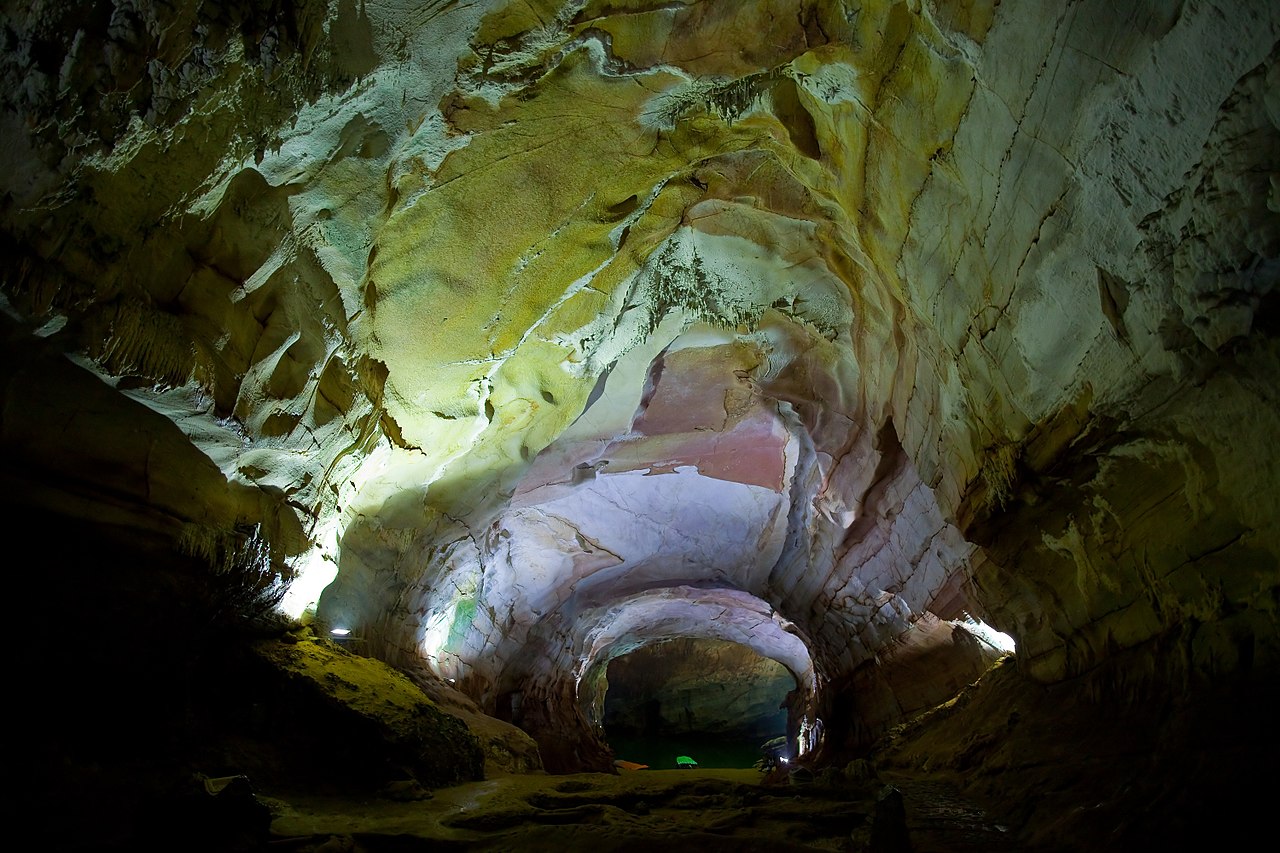
Phong Nha–Kẻ Bàng protects one of the oldest and most extensive karst systems in Asia. The park contains hundreds of caves and grottoes carved into limestone, with a cumulative mapped length reported at around 70 km and many more passages still unexplored. Early scientific surveys by Vietnamese and foreign teams have documented roughly 20 km of cave passages to date, revealing long shafts, large caverns, and active underground river systems. Visitors and researchers encounter features such as dramatic stalactite and stalagmite formations, large cave chambers, and perennial subterranean streams.
Biodiversity and conservation
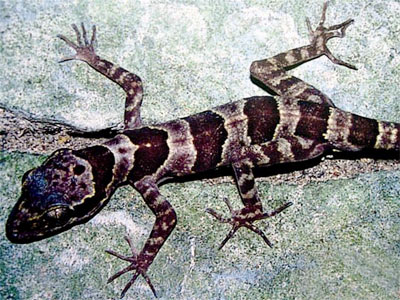
The park supports a mosaic of habitats including lowland rainforest, limestone forest, and riparian zones. This variety sustains diverse plant and animal communities, with numerous endemic, rare or threatened species. Conservation in the park focuses on protecting core wilderness areas, maintaining water quality and river flows underground, and managing tourism pressure in sensitive caves and forested slopes. The landscape functions as an important ecological corridor in the Annamite mountain chain.
History and scientific exploration
Scientific interest in Phong Nha–Kẻ Bàng grew as explorers and speleologists mapped its cave systems and documented unusual landforms. International collaborations between local researchers and visiting teams have advanced understanding of karst processes, cave ecology and hydrology. Notable discoveries within the park have attracted worldwide attention and helped shape policies that balance access with preservation. For further historical and research summaries see resources linked below.
Tourism, education and local importance
The park is a popular destination for guided cave tours, river excursions and trekking. Visitor activities often emphasize low-impact access to major show caves, educational interpretation about geology and biodiversity, and support for community-based tourism in nearby villages. Park authorities and partners work to limit disturbances in fragile cave areas, regulate visitor numbers, and provide safety and interpretation services for tourists and students.
Notable facts and distinctions
- Declared a UNESCO World Heritage Site in 2003 for its outstanding karst landscapes and cave systems (designation details).
- Home to an extensive network of underground rivers important for regional hydrology (hydrology studies).
- Contains hundreds of documented caves and grottoes, many still only partially explored (cave surveys).
- Recognized for both geological significance and biological diversity, linking geological research and conservation practice (conservation links).
For official information, research publications, visitor guidance, and conservation initiatives consult local park authorities and scientific reports. Additional resources and summaries can be found through national park materials and educational portals linked here: park authority, forest and habitat, cave inventories, wildlife notes, and hydrological data. Broader overviews and background summaries are available through conservation organizations and study collections (local name, province overview, regional context, UNESCO materials).
Related articles
Author
AlegsaOnline.com Phong Nha–Kẻ Bàng National Park Leandro Alegsa
URL: https://en.alegsaonline.com/art/76559