
Vietnamese language (Tiếng Việt)
Overview of the Vietnamese language: origins, phonology, writing systems, dialects, uses, and cultural importance in Vietnam and the global diaspora.
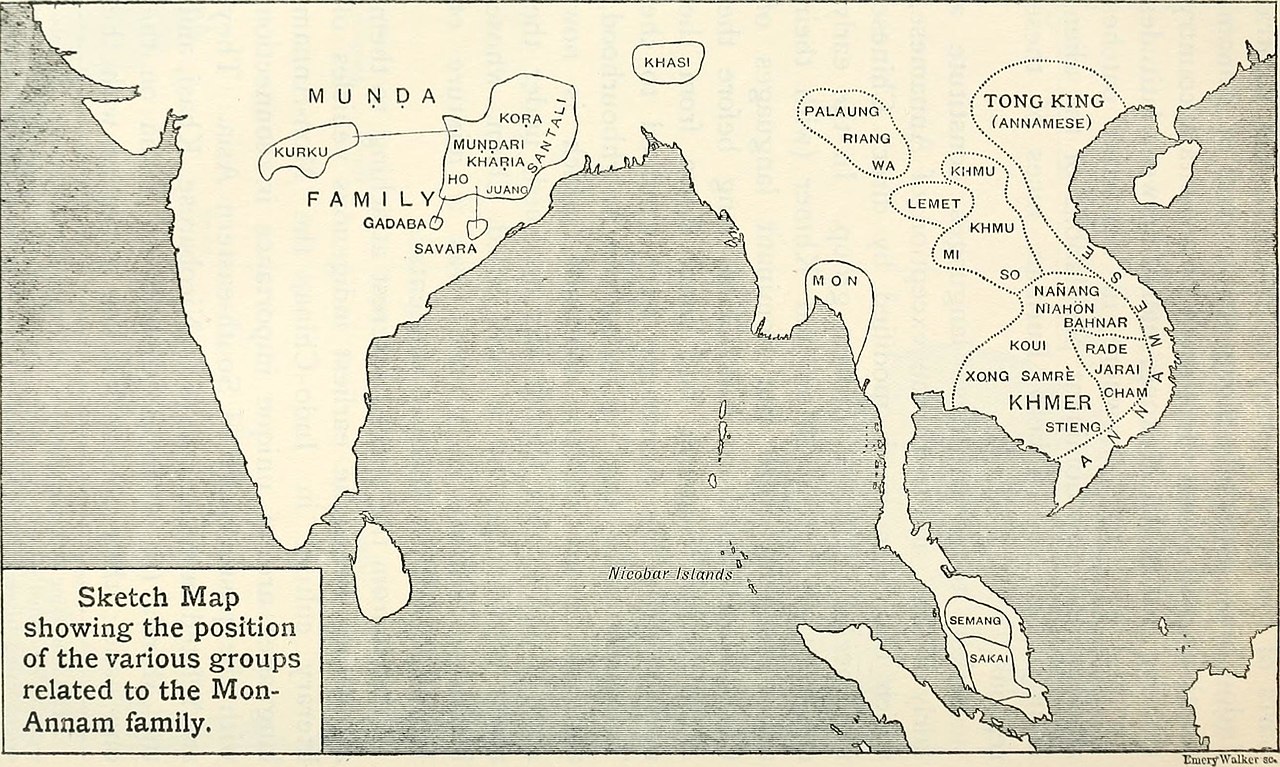
Vietnamese (Tiếng Việt) is the official language of Vietnam. It belongs to the Vietic branch of the Austroasiatic family and is spoken by tens of millions as a first language, with larger communities worldwide. Like many languages across Asia, Vietnamese is tonal: pitch distinguishes meaning between otherwise similar syllables.
Image gallery
10 Images





Characteristics
Vietnamese is largely analytic and monosyllabic in structure: words are often single syllables and grammatical relationships are shown by word order and particles rather than inflection. The usual sentence order is subject–verb–object (SVO). Phonologically it has a rich vowel system and uses tone to mark lexical or grammatical contrasts. The modern Latin-based script includes diacritics that indicate both tone and vowel quality.
Writing and historical development
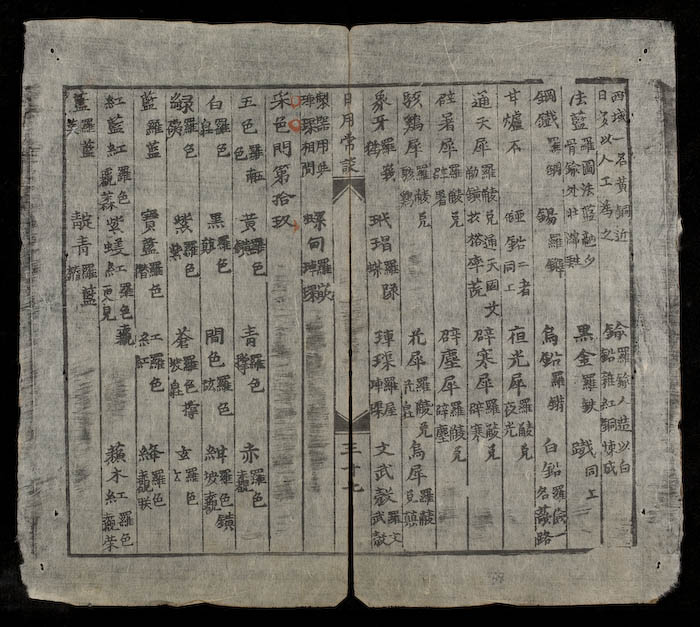
The language evolved from earlier Vietic varieties influenced by prolonged contact with Chinese, producing a large layer of Sino-Vietnamese vocabulary. For centuries Vietnamese was written with Chinese characters and locally adapted scripts known collectively as chữ Nôm. From the 17th century European missionaries developed a Latin alphabet for the language; this Romanized system, known as Quốc Ngữ, became widespread in the 20th century and is now the standard script for education, publishing, and administration.
Dialects and variation
There are several major regional varieties, commonly grouped as Northern (centered on Hanoi), Central (spoken in areas such as Huế), and Southern (centered on Ho Chi Minh City). These dialects differ in pronunciation, tone inventories, vocabulary, and some grammar. Urban speech and media have tended to promote Northern-based pronunciation as a standard, while regional forms remain strong in everyday life.
Uses, influence, and notable facts
Vietnamese serves as the language of government, schooling, literature, broadcasting, and business within Vietnam, and it is maintained across sizable diaspora communities in countries such as the United States, Australia and France. The lexicon reflects layers of borrowing: ancient Chinese loans, later French terms introduced during colonial times, and recent borrowings from English. Important features often highlighted by learners include the tonal system, extensive use of monosyllables and classifiers, and the visible role of diacritics in the writing system.
- Typical word order: SVO.
- Writing: modern Quốc Ngữ (Latin script with diacritics).
- Major dialect groups: Northern, Central, Southern.
- Notable influences: Austroasiatic roots, Chinese and French lexical layers.
For further reading on phonology, orthography and regional varieties, consult specialist linguistic surveys and resources focused on Southeast Asian languages.
Related articles
Author
AlegsaOnline.com Vietnamese language (Tiếng Việt) Leandro Alegsa
URL: https://en.alegsaonline.com/art/105096
Sources
- vlada.cz : National Minorities Policy of the Government of the Czech Republic
- zpravy.idnes.cz : Česko má nové oficiální národnostní menšiny. Vietnamce a Bělorusy
- glottolog.org : "Vietnamese"
- omniglot.com : "Vietnamese Chu Nom script"
- khoavanhoc-ngonngu.edu.vn : khoavanhoc-ngonngu.edu.vn
- vietnameselanguage.org : vietnameselanguage.org/language/vietnamese-phonology.html
- vietnameselanguage.org : vietnameselanguage.org/language/exclamations.html
- vietnameselanguage.org : vietnameselanguage.org/language/conjunctions.html