
Phidias — Leading Sculptor of Classical Greece
Phidias (c.480–c.430 BC) was a Greek sculptor, painter and architect celebrated for the chryselephantine statues of Zeus at Olympia and Athena Parthenos and for shaping High Classical style.
Phidias (also spelled Pheidias; c. 480–c. 430 BC) was an influential ancient Greek sculptor, painter and architect whose work defines much of the High Classical aesthetic. He is best known for two monumental cult images: the chryselephantine statue of Zeus at Olympia, counted among the Seven Wonders of the Ancient World, and the great statue of Athena Parthenos installed inside the Parthenon on the Acropolis of Athens. Contemporary sources and later antiquity praise his technical skill, compositional clarity and ability to convey dignified presence.
Image gallery
10 Images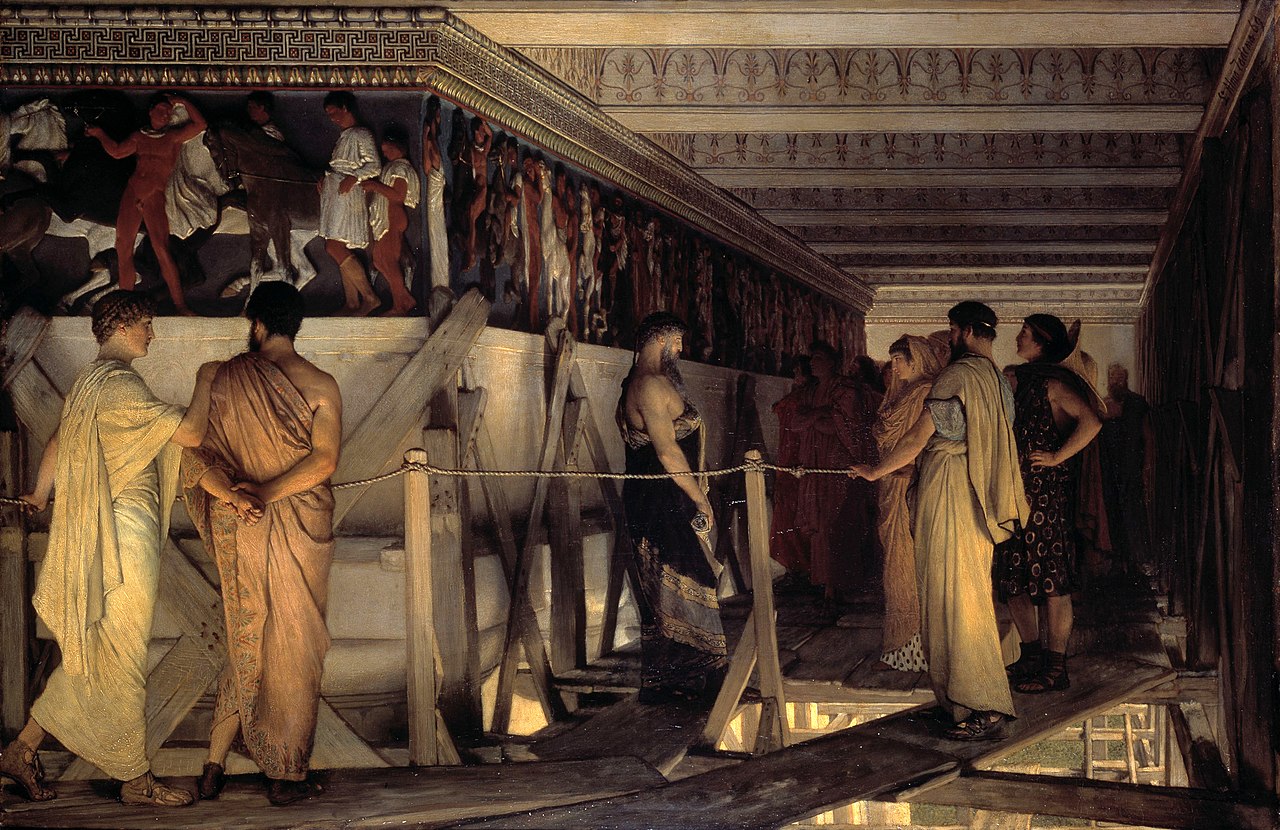


Materials and techniques
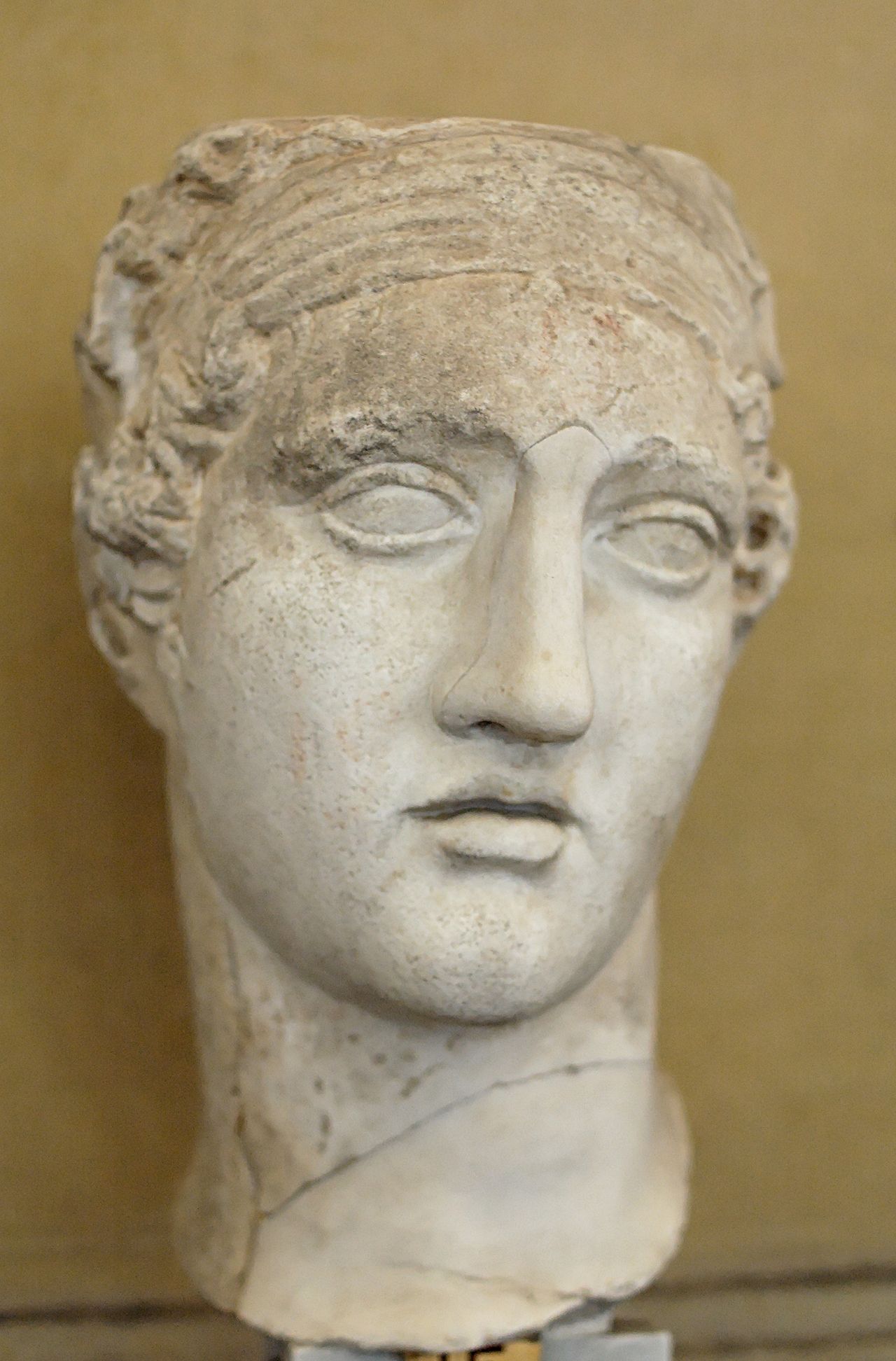
Phidias worked in a variety of media, most famously the chryselephantine technique that combined gold and ivory over a wooden framework for monumental cult statues. He also designed large-scale bronze works and executed painted details. Chryselephantine pieces required a collaborative workshop with carpenters, metalworkers and ivory workers; many of Phidias's original works survive only in literary descriptions and later Roman copies. His approach emphasized balanced proportions, calm expressions and careful drapery that revealed the human form beneath.
Works and commissions
- A colossal seated Zeus at Olympia, a celebrated wonder combining gold and ivory on an elaborate throne.
- The Athena Parthenos, a huge chryselephantine image that dominated the interior of the Parthenon.
- The Athena Promachos, a tall bronze statue of Athena that stood on the Acropolis and served as a visible symbol of Athenian power.
- Various reliefs, small-scale sculptures and workshop pieces attributed to his circle, known through later copies and literary references.
Phidias worked closely with the Athenian statesman Pericles during the Acropolis building program. Ancient writers credit him not only with individual statues but with contributing to the overall sculptural program that gave the Parthenon and related monuments their unified character.
Historical reputation and controversy
In ancient accounts Phidias enjoyed a reputation as the preeminent sculptor of his age, admired for technical mastery and artistic restraint. Tradition reports that he was twice accused of misappropriating precious materials used in his projects — allegations related to the ivory of the Athena Parthenos and gold from the Zeus statue's drapery. Some sources say a false witness testified and that Phidias died while imprisoned; details remain uncertain and are treated cautiously by modern historians. Whatever his personal fate, his influence on classical sculpture is widely acknowledged.
Legacy and influence
Although the original chryselephantine masterpieces are lost, copies, Roman reproductions and literary descriptions preserve Phidias's reputation. His emphasis on idealized anatomy, harmonious composition and controlled emotion became a defining model for later ancient art and for subsequent neoclassical revivals. Modern art historians study his attributed works to understand the transition from Archaic stiffness to the naturalism and nobility that characterize the High Classical style.
For further reading, consult specialist works on classical sculpture and accounts of the Parthenon and Olympian sanctuary. Online resources and museum catalogues also discuss surviving Roman copies and technical reconstructions of chryselephantine methods.
sculptor • painter • architect • Zeus • Olympia • Athena Parthenos • Acropolis • ivory
Related articles
Author
AlegsaOnline.com Phidias — Leading Sculptor of Classical Greece Leandro Alegsa
URL: https://en.alegsaonline.com/art/76380