
Olympia — ancient Greek sanctuary and site of the Olympic Games
Ancient sanctuary in Elis where the classical Olympic Games were held from the 8th century BC to the 4th century AD; known for the Temple of Zeus, the Altis, stadium remains and lasting cultural legacy.
Overview
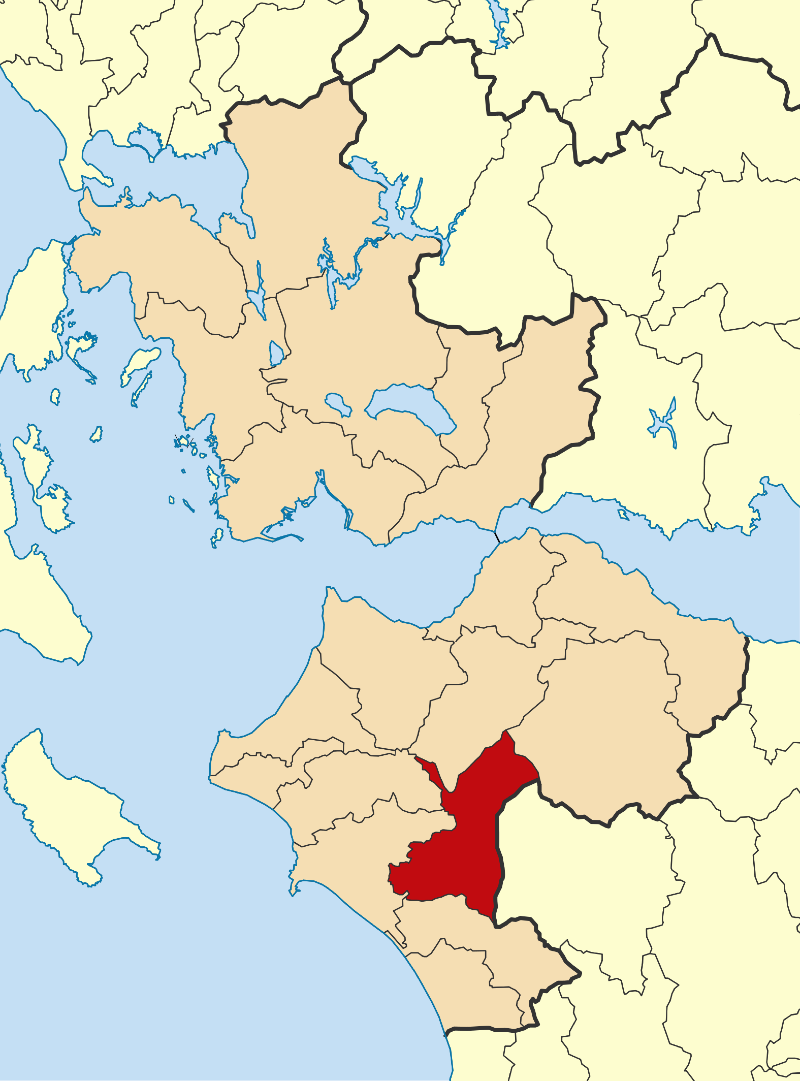
Olympia was a major religious and athletic sanctuary in ancient Greece, situated in the region of Elis near the modern town of Pyrgos. The site functioned as the principal setting for the classical Olympic Games, a pan‑Hellenic festival held on a four‑year cycle. The festival combined athletic contests, religious rites and artistic display, and it helped shape Greek identity across the city‑states. The sanctuary itself is commonly referenced as a landmark of ancient Greek religion and sport.
Image gallery
10 Images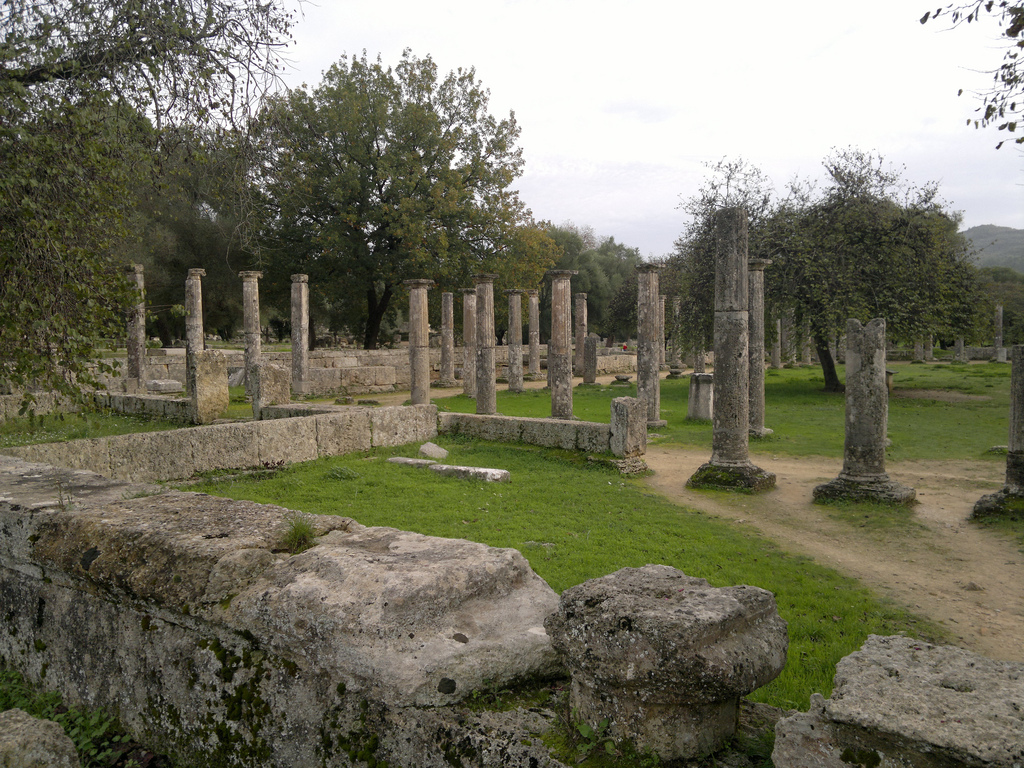




Site and principal features
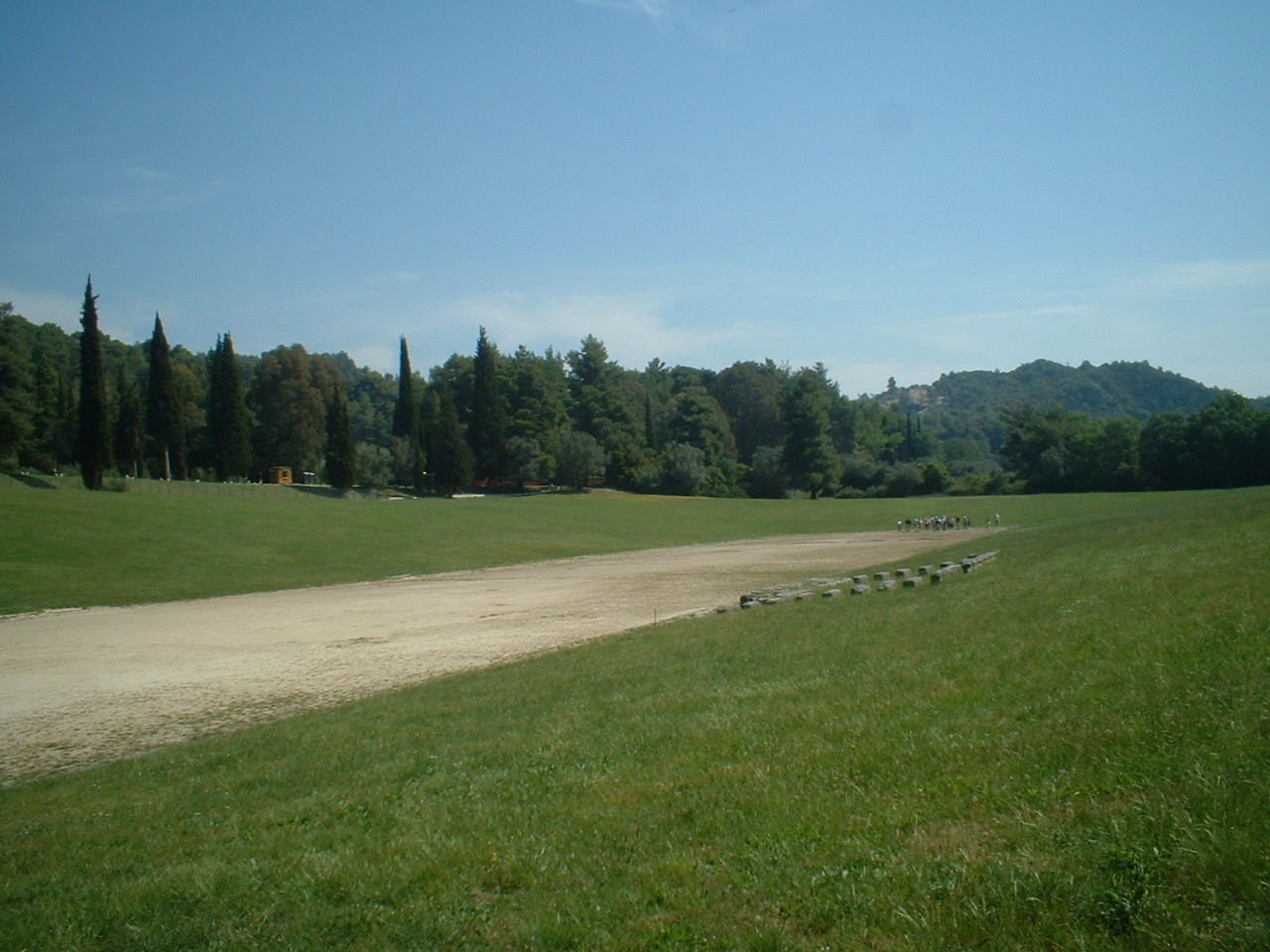
Olympia's sacred precinct, known as the Altis, contained several important buildings and monuments. These included the large Temple of Zeus — once home to the famed statue of Zeus, which was counted among the Seven Wonders of the ancient world — and the older Temple of Hera. Nearby were treasuries, a gymnasium, a palaestra (wrestling school), and the stadion where footraces were run. A hippodrome for horse and chariot events lay outside the main sanctuary.
Origins and historical development
Origins of the festival are partly legendary and partly archaeological; ritual activity at Olympia predates the full development of the classical games. From roughly the 8th century BC the Olympic program grew into a fixed cycle that city‑states acknowledged by observing truces for safe travel. The games continued through Hellenistic and Roman times and eventually ceased in late antiquity as imperial and religious changes altered public cults and festivals.
Cultural role and legacy
Beyond sport, Olympia was a pan‑Hellenic meeting place where victors achieved fame and cities displayed votive offerings. Winners received olive wreaths and honorific treatment at home, while the four‑year interval — the Olympiad — became a conventional unit for dating events. Interest in Olympia revived during the 19th century when archaeologists began systematic excavation, revealing major architectural remains and works of ancient art.
Modern significance and distinctions
Olympia inspired the modern revival of the Olympic Games and remains an important archaeological site and tourist destination. It has been the subject of scholarly study for its architecture, sculpture and inscriptions, and it is widely protected and interpreted today. For more background on the ancient site see general summaries of the location in Greece (site overview) and on the deity central to many rituals (Zeus).
Quick facts
- Location: sanctuary in historic Elis, western Peloponnese.
- Major features: Altis, Temple of Zeus, Temple of Hera, stadion, palaestra.
- Function: religious festival and athletic competition held every four years.
- Legacy: inspired modern Olympics; important archaeological site.
Related articles
Author
AlegsaOnline.com Olympia — ancient Greek sanctuary and site of the Olympic Games Leandro Alegsa
URL: https://en.alegsaonline.com/art/72452